
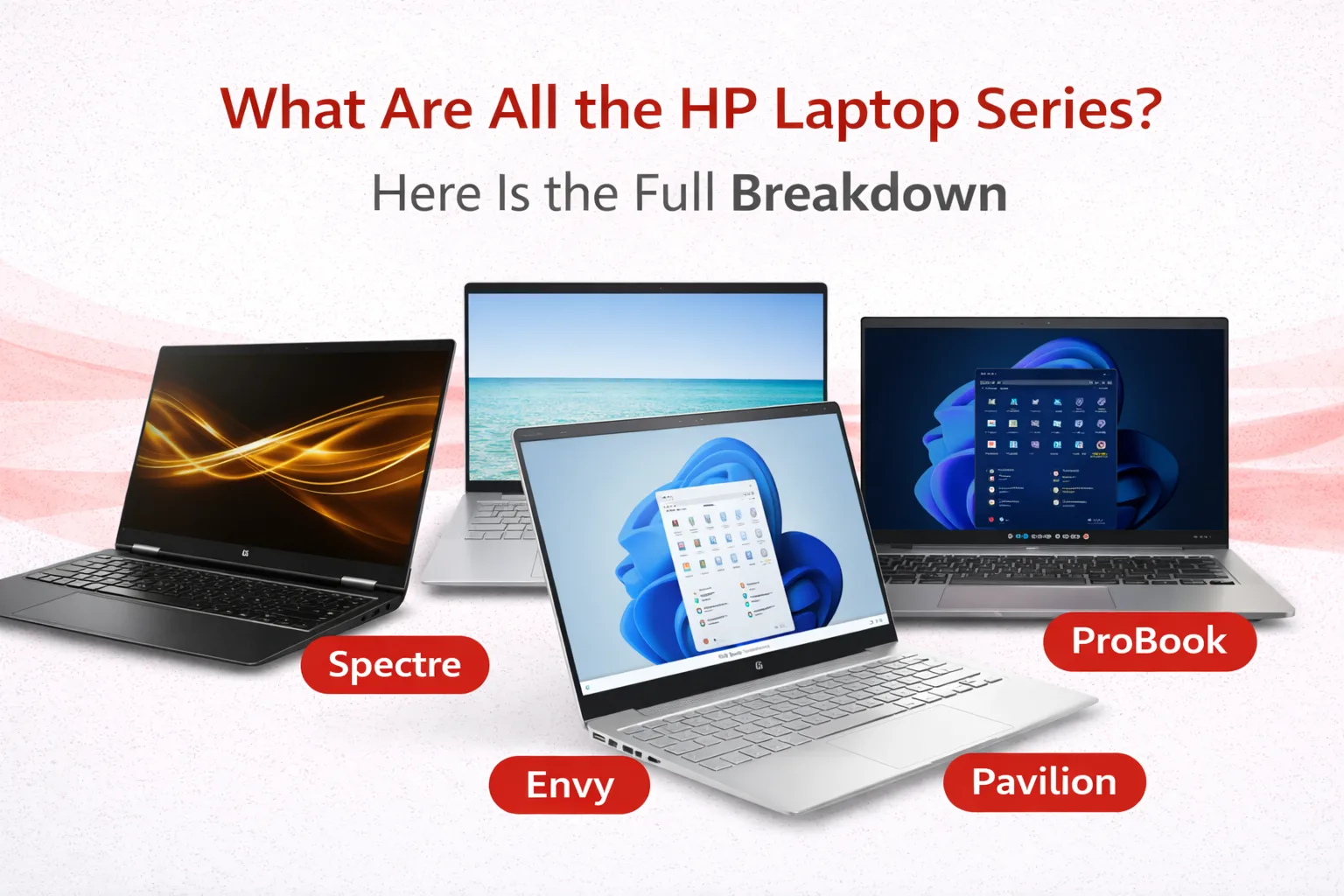

HP’s laptop lineup is one of the most extensive in the consumer and business market today. The brand covers everything from ultra-portable executive machines to full mobile workstations, budget Chromebooks to flagship gaming rigs. Understanding the differences between each series has never been straightforward, and the situation became more layered when HP recently retired familiar consumer names like Spectre, Envy, and Pavilion. Those lines are now being consolidated under a new umbrella called OmniBook, a change that has left many buyers unsure of what replaced what.
The HP laptop series structure is not random, though. Each line has a specific audience, a specific purpose, and a price logic behind it. This post breaks all of it down clearly, series by series.
Professional and Business Series
HP’s business laptops are built around durability, security, and IT manageability, and they carry HP Wolf Security across the lineup as a standard feature.
EliteBook
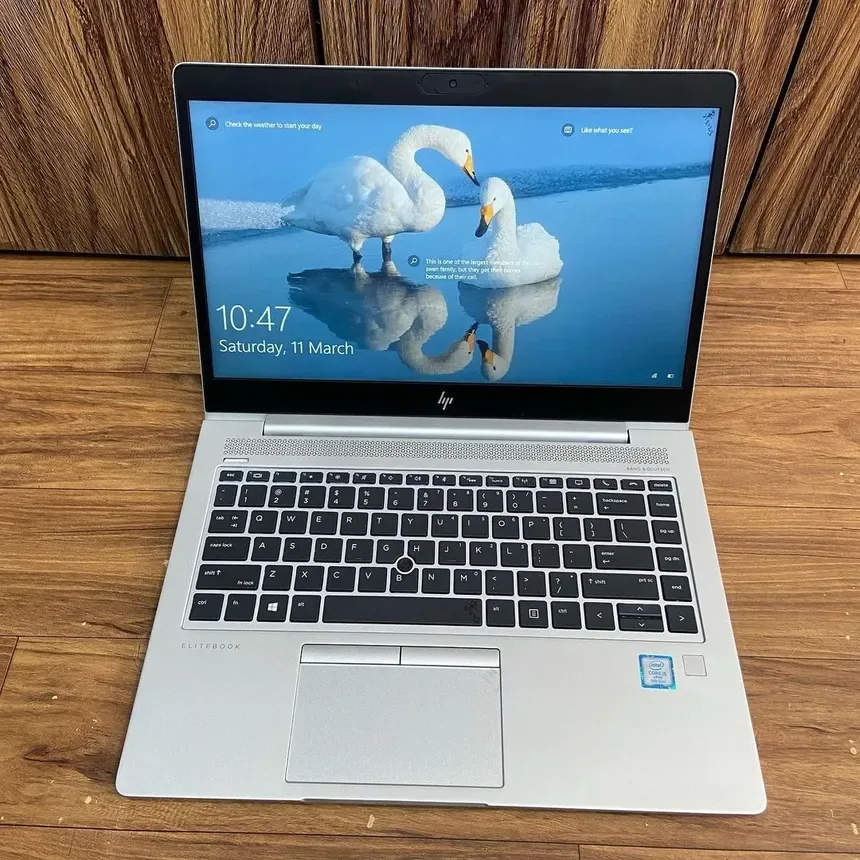
The EliteBook is HP’s flagship business laptop. These are premium, all-metal machines with long warranties and vPro processors designed for enterprise-level security. HP Wolf Security is built into every EliteBook, giving IT departments tools for remote device management, hardware-level threat detection, and recovery from attacks even when the device is offline. If your company has an IT department that manages devices remotely, the EliteBook is built with that workflow in mind. It is the right choice for corporate professionals who need a machine that is durable, secure, and supported over a long lifecycle.
ProBook
The ProBook sits below the EliteBook in terms of price and specification, but it carries the same core professional DNA. It is more affordable and aimed at small to medium-sized businesses that need reliable work machines without the premium price tag of the EliteBook. For a business owner or employee who wants professional-grade build quality without enterprise pricing, the ProBook is the middle ground.
ZBook
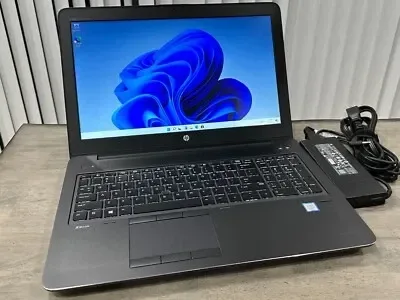
The ZBook is not a standard laptop. It is a mobile workstation, and the distinction is important to understand. These are thick, powerful machines built for professionals running demanding software like CAD applications, 3D rendering tools, and video editing suites. Engineers, architects, and post-production professionals who need workstation-level performance in a portable form factor are the intended audience. The ZBook is not for general office work, and its pricing reflects that.
Elite Dragonfly
The Elite Dragonfly is a premium sub-brand within the EliteBook family, built specifically for executives and frequent travelers. While the Dragonfly is built for mobility, 5G connectivity is an optional upgrade, not a standard feature included in every base model. When ordering, a user must specifically select the 5G/LTE module. Many base configurations only include Wi-Fi 6E/7. If the primary concern is portability without sacrificing security or build quality, the Dragonfly is the answer within the business lineup.
Consumer and Lifestyle Series
This is where most of the recent changes have happened. HP found that buyers were confused by the overlapping features of its old consumer sub-brands. Spectre, Envy, and Pavilion often targeted similar audiences with similar specs, making it hard to understand what separated them. The solution was a consolidation under a single name with a numbered tier system.
HP is now moving all consumer laptops into the OmniBook ecosystem, organized by performance level. The same logic is being applied to its all-in-one desktop PCs, which are transitioning from Pavilion and Envy branding to the OmniStudio name.
A major driver behind this shift is the AI PC era. HP unifies the brands to market specific AI capabilities consistently across the entire consumer lineup. This shift includes features like Copilot+ and dedicated neural processing units.
OmniBook Ultra
The OmniBook Ultra replaces the Spectre series and sits at the top of the consumer lineup. It is the most premium consumer laptop HP makes, featuring 4K OLED screens, precision-milled aluminum chassis, and the highest-tier AI processing chips available. If you want the best screen, the thinnest design, and the most powerful consumer hardware HP offers, the OmniBook Ultra is the one. It comes at a flagship price to match.
OmniBook X
The OmniBook X replaces the Envy series and targets creators and professionals who want a balance of style and performance without paying the Ultra price. These machines often feature high-resolution OLED screens and long battery life, making them a solid fit for designers, content creators, and professionals who move between the office and home regularly.
OmniBook 7, 5, and 3
These three tiers replace the old Pavilion and Laptop 14/15 series. The numbering system is straightforward: the higher the number, the more premium the build and performance.
The OmniBook 7 is the high-performance productivity option in this tier, suited for users who need a capable everyday machine with better specs than the average home laptop. The OmniBook 5 sits in the middle as the best balance of price and performance, making it the most versatile pick for general use. The OmniBook 3 is the entry-level option, built for students and light users who need basic productivity without a high price tag. For most buyers looking for a reliable everyday laptop without going into the Ultra or X territory, the OmniBook 5 offers the best value in the lineup.
Pavilion (Legacy)
The Pavilion name has not disappeared entirely. You will still find these in the market as stock from before the transition clears. They are all-rounder home laptops with decent specs at budget-friendly prices. If you find a Pavilion at a good price, it remains a solid option, but going forward the OmniBook series is what replaces it.
Gaming Series
HP separates its gaming laptops into two clear categories based on budget and audience.
OMEN
The OMEN is HP’s flagship gaming brand. These machines feature top-tier cooling systems under the Omen Tempest Cooling architecture, which uses multiple heat pipes and large exhaust vents to keep temperatures stable during extended gaming sessions. They carry the latest RTX 50-series GPUs and high-refresh-rate displays built for competitive gaming. The OMEN is aimed at enthusiasts and serious gamers who want the best performance available and are willing to pay for it.
Victus
The Victus is the mainstream gaming option. It brings solid gaming performance using RTX 50-series (specifically the RTX 5050 and 5060) cards at a lower price point, achieved partly through a more plastic-heavy build compared to the OMEN. The trade-off is clear: you get capable gaming hardware in a less premium shell. It is the right starting point for students and casual gamers who want to play modern titles without spending flagship money. If heavy gaming is the goal but budget is a concern, the Victus is the entry into HP’s gaming lineup.
Specialty Series
HP Chromebook
Chromebooks run on Google’s ChromeOS and are built around browser-based work and cloud storage. HP makes Chromebooks across a wide price range, from affordable plastic models for schools and students to the premium Elite Dragonfly Chromebook for business users who prefer ChromeOS. These are not suited for software-heavy tasks but work well for anyone who spends most of their time in a browser.
HP Stream
The HP Stream sits at the very bottom of the price ladder. These are colorful, ultra-budget laptops built for very basic web browsing and cloud-based schoolwork. They are not designed for heavy tasks, and their storage and processing specs reflect that. For a child’s first laptop or a secondary device for simple online tasks, the Stream serves its purpose.
HP Essential (14, 15, and 17)
These are budget laptops that carry no specific series name. They are commonly found in large retail stores and are designed for straightforward home tasks. They offer basic specs at accessible prices and are a reasonable option for buyers who need a functional machine without any specific performance demands.
HP’s lineup is broader than most laptop brands, but the logic behind it is consistent once the categories are clear. Business users sit in the EliteBook, ProBook, Dragonfly, and ZBook family. Consumer users now fall under the OmniBook umbrella, organized from the entry-level 3 up to the premium Ultra. Gamers choose between the OMEN and the Victus based on budget. And specialty needs are covered by Chromebooks, the Stream, and the Essential range. The rebranding is still in transition, so older names like Pavilion will appear alongside the new OmniBook lineup for some time, but the direction HP is heading is clear.