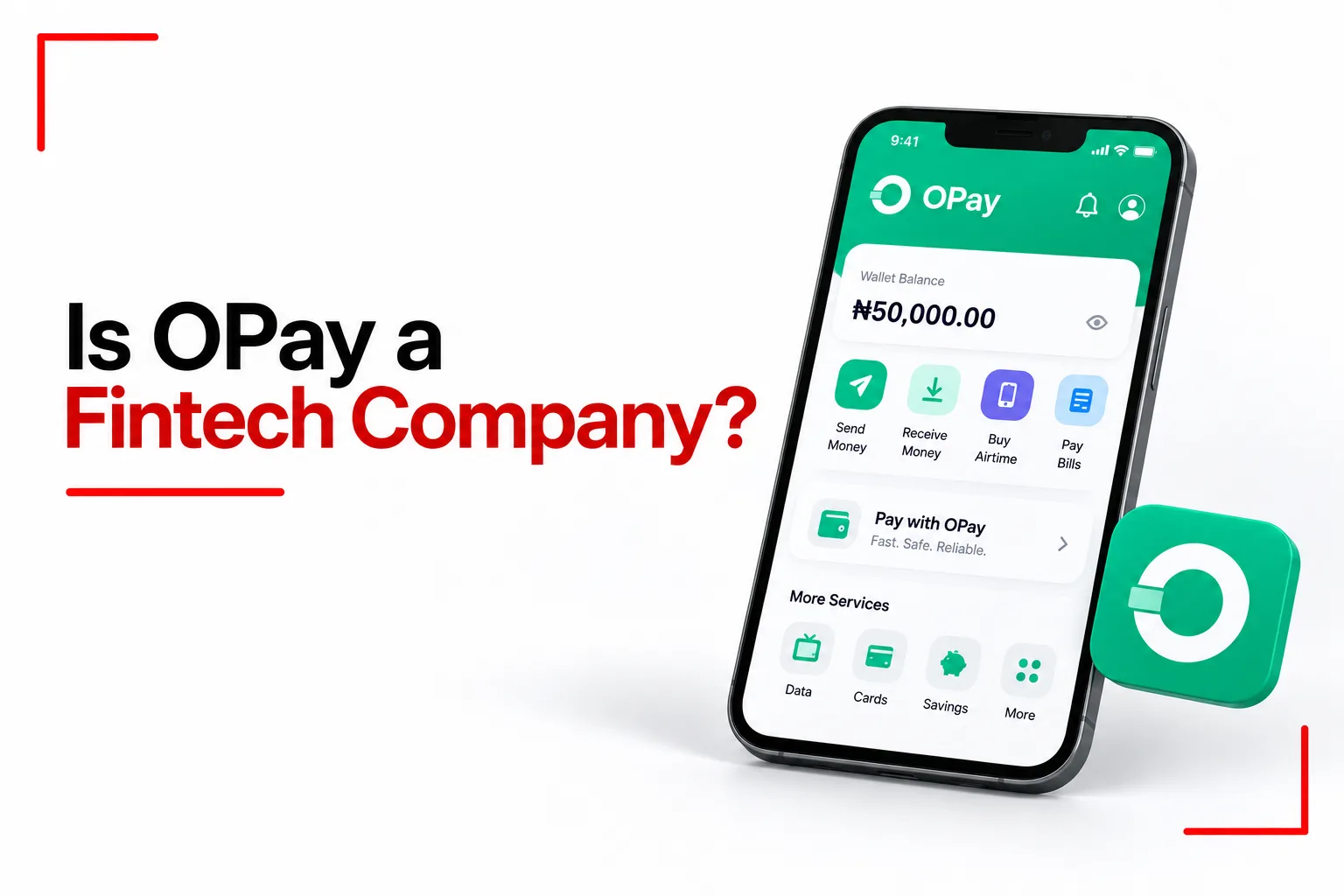

OPay is a familiar name in Nigeria, especially among people who use its app to send money, pay bills, buy airtime and make everyday payments. Merchants also use its payment services to collect money from customers. Behind these transactions is a financial services business that operates within Nigeria’s regulated payment system.
The answer to “Is OPay a fintech company?” is yes. OPay uses digital technology to support payments and money transfers, giving individuals and businesses access to financial services through its platform.
The OPay brand is associated with separate licensed companies. OPay Digital Services Limited operates the mobile wallet service under a mobile money operator licence, while OPay Microfinance Bank Limited is a separately licensed microfinance bank. The two companies have separate regulatory roles, which helps explain how OPay operates within Nigeria’s financial sector.
Table of Contents
What Is a Fintech Company?
A fintech company uses technology to deliver or improve financial services. The term combines financial technology, covering businesses that use software, mobile apps, digital platforms and payment systems to help people and companies manage money.
Fintech businesses can specialise in digital payments, mobile wallets, online lending, savings, investment platforms or services that help businesses accept payments. Some operate under banking licences, while others operate under specific licences for payment services or other financial activities.
A mobile payment app can qualify as fintech even if the company behind it is not a traditional commercial bank. The defining feature is its use of technology to carry out financial activities.
Why Is OPay Considered a Fintech Company?
OPay fits the fintech category because its services rely on digital tools to handle everyday financial transactions. Customers can use its app to send money, receive transfers, pay bills and purchase airtime or mobile data. The platform also supports debit card services and payments to participating businesses. Merchants can use OPay’s payment services and point of sale terminals to collect money from customers, including for in person transactions.
These services reduce the need to visit a physical banking location for many routine transactions. Customers can manage supported services through a phone, while businesses can accept digital payments through OPay’s payment infrastructure.
OPay was established in 2018 and has expanded beyond a simple wallet service. Its wider business includes consumer financial services, merchant payment tools and credit related services across its operating markets. The exact products available depend on the country and the company responsible for the service.

What Services Can You Use Through OPay?
OPay’s Nigerian app brings several everyday financial activities into one place. Available functions depend on the account, current app version and terms of each service.
Money transfers: Users can send funds to other OPay users and transfer money to supported Nigerian bank accounts.
Bill payments: The app supports payments for selected services, including electricity and other household or subscription bills.
Airtime and data: Users can purchase mobile airtime and data directly through the app.
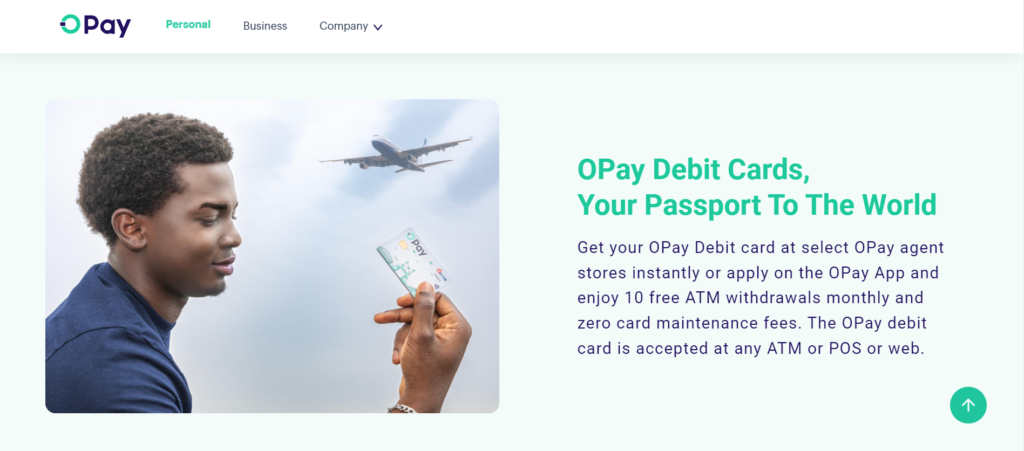
Debit cards: Eligible customers can use OPay card services for supported transactions.
Merchant payments: Businesses can accept payments through OPay’s payment tools, including POS terminals and supported online payment options.
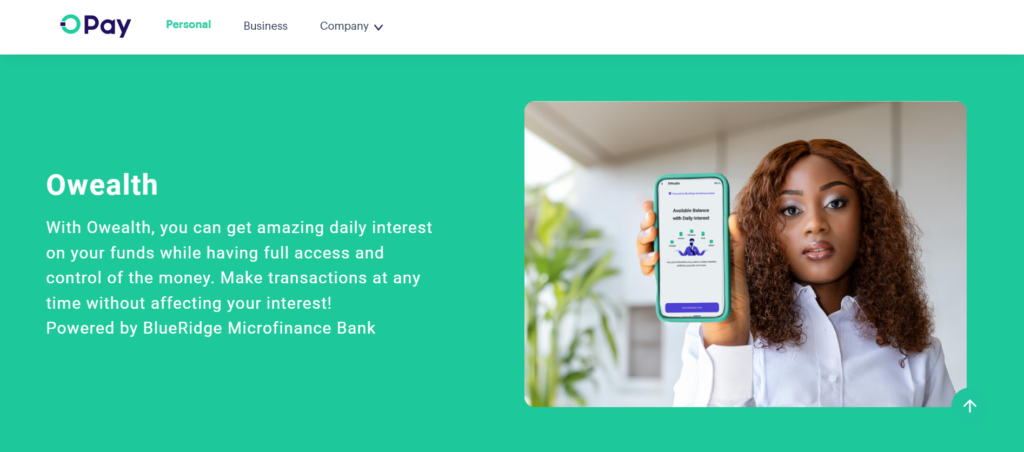
Savings and credit related services: Some financial products associated with the OPay brand operate under separate product terms and legal arrangements. Customers should check the name of the provider shown in the terms before opening a savings product or applying for credit.
The availability of these functions makes OPay more than a basic money transfer app. It combines several financial activities within a digital platform.
Related Article: How to Borrow Money from OPay
Is OPay a Bank or a Fintech Company?
OPay is a fintech company, but its regulatory structure needs a closer look because the brand name is associated with more than one legal entity.
In Nigeria, OPay Digital Services Limited operates the OPay wallet service. The Central Bank of Nigeria categorises this company as a mobile money operator. This is a specific financial services category, not the same as a commercial banking licence.
There is also OPay Microfinance Bank Limited, a separate licensed microfinance bank associated with the OPay brand. Its products and legal arrangements are separate from those of OPay Digital Services Limited. Calling OPay a fintech company is accurate.
Is OPay Licensed in Nigeria?
Yes. OPay Digital Services Limited, previously known as Paycom Nigeria Limited, holds a mobile money operator license from the Central Bank of Nigeria.
OPay’s mobile money licence covers its wallet service, but other products under the OPay name can have separate terms and providers. Customers should check the current regulatory details and product terms when opening an account, using a savings product or applying for a loan.
Is OPay Safe to Use?
OPay operates within Nigeria’s regulated mobile money sector, but safe use also depends on how customers protect their accounts and handle transactions.
Use the official OPay app, protect your PIN and passwords, and never share a one time password with someone claiming to be customer support. Before confirming a transfer, check the recipient’s details and the amount carefully. Keep transaction notifications and receipts in case you need to report a problem.
No digital financial platform is completely free from fraud attempts, technical interruptions or transaction errors. Understanding the security controls and complaint channels available to you can help you handle these risks.
OPay qualifies as a fintech company because it uses technology to deliver digital payments, money transfers and related financial services. Its Nigerian wallet business operates under a mobile money operator license, while OPay Microfinance Bank Limited is a separate licensed entity.