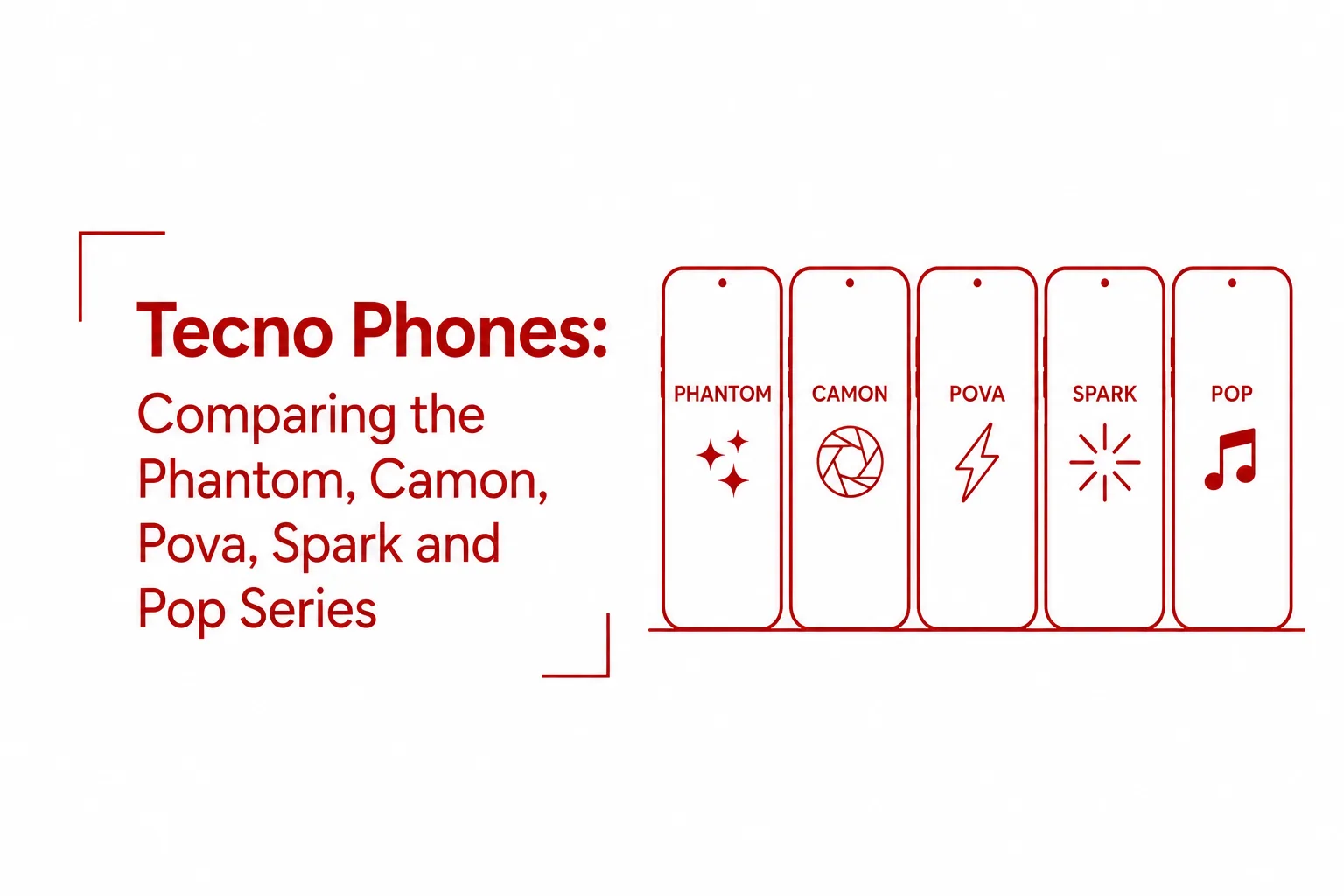

Tecno has grown into one of the most recognisable smartphone brands across Africa, and its product lineup reflects that ambition. The brand organises its phones into five distinct series, each built around a specific type of user and use case. The challenge for most buyers is that the names alone do not tell the full story. A Camon and a Spark can sit at similar price points while serving completely different purposes. This guide breaks down each Tecno phone series clearly so you know exactly which one fits your needs before you make a purchase.
Tecno Phantom Series
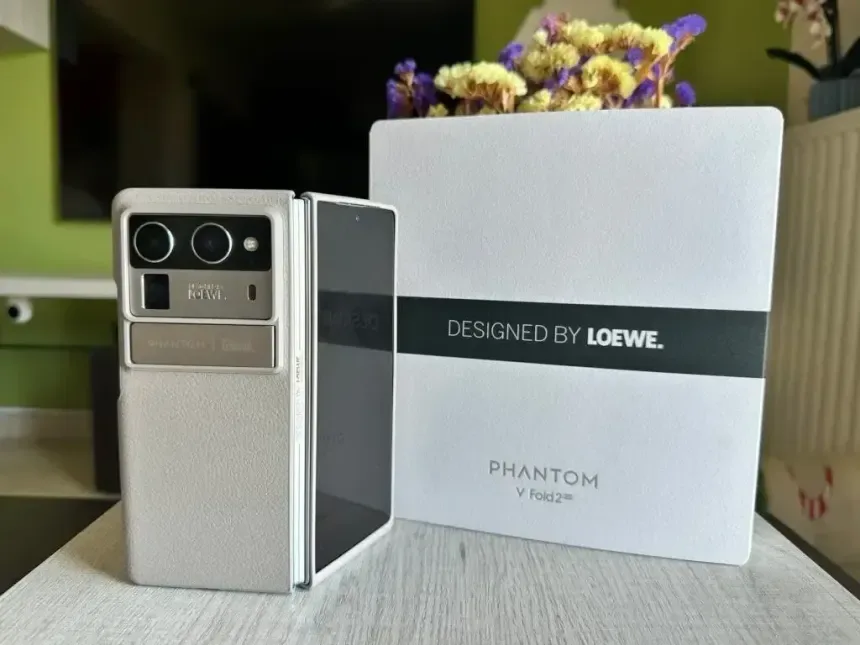
The Phantom series sits at the top of Tecno’s portfolio and is the brand’s direct answer to global premium smartphones. It is built around foldable technology, luxury materials, and the kind of hardware that competes with devices from Samsung and Huawei at the high end.
The current standout models are the Phantom V Fold2 5G, the Phantom V Flip2 5G, and the Phantom X2 Pro. The V Fold2 is a book-style foldable while the V Flip2 takes the clamshell form factor. The Phantom X2 Pro serves buyers who want top-tier performance in a conventional slab design.
If you are looking at a Phantom, you are in the market for Tecno’s most advanced hardware. The price reflects that, and the target audience is buyers who want a premium device from a brand that understands the African market better than most global manufacturers do.
Tecno Camon Series
The Camon name is short for Camera On, and the series has stayed true to that brief since its introduction. Every decision in the Camon lineup, from sensor selection to AI processing, is made with photography and video content creation in mind.
The latest Camon lineup includes the Camon 50 Ultra 5G, the Camon 50 Pro, and the Camon 50. The Camon 50 Ultra 5G pushes camera resolution to 200MP, which places it among the highest-resolution camera phones available at its price bracket on the continent. The series uses advanced AI imaging tools designed specifically for the skin tones, lighting conditions, and outdoor environments common across African markets.
The Camon series is the right pick for content creators, social media users, and anyone for whom the camera is the most important specification on a phone. It is not a gaming series and it is not built for raw processing performance. It is built to take great photos and video, and it does that job better than anything else in Tecno’s lineup.
Tecno POVA Series
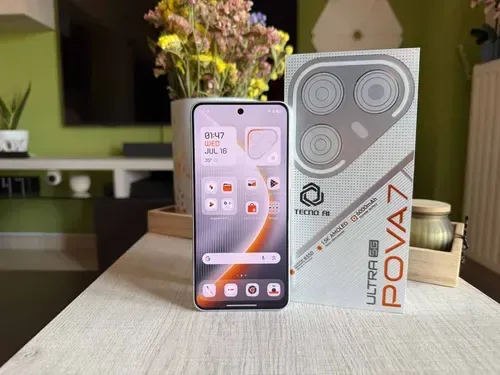
The POVA series has one job: last longer and perform harder than anything else at its price. It is designed for gamers, heavy streamers, and users who spend long hours on their phones without reliable access to a charger.
Current models include the POVA Curve 2 5G, the POVA 7 Ultra, and the POVA 7 Pro. Battery capacity across the series goes up to 8,000mAh, which is among the largest found in any non-rugged smartphone currently available. The displays run at high refresh rates to keep gaming smooth, and specialised cooling systems are built in to prevent thermal throttling during extended sessions.
The POVA is not a camera-first phone and it is not a fashion-forward device. It is an endurance machine, and for buyers whose primary frustration is a phone that dies before the day ends, it solves that problem more directly than any other series in Tecno’s range.
Tecno Spark Series
The Spark series is Tecno’s most popular line, and it targets young professionals and students who want a phone that looks good, performs reliably, and does not stretch the budget. It sits in the mid-range bracket and consistently offers some of the best design-to-price ratios in that category.
The latest lineup features the Spark 50 5G, the standard Spark 50, and the ultra-slim Spark 40 Pro+. The series prioritises aesthetic design and daily performance over specialised features. You will not find the imaging depth of the Camon here or the battery extremes of the POVA, but you will find a well-rounded phone that handles social media, streaming, communication, and light productivity without complaint.
For first-time smartphone buyers upgrading from an entry-level device, or for anyone who wants a reliable mid-range phone with a modern design, the Spark series is consistently the most recommended starting point in the Tecno lineup.
Tecno POP Series
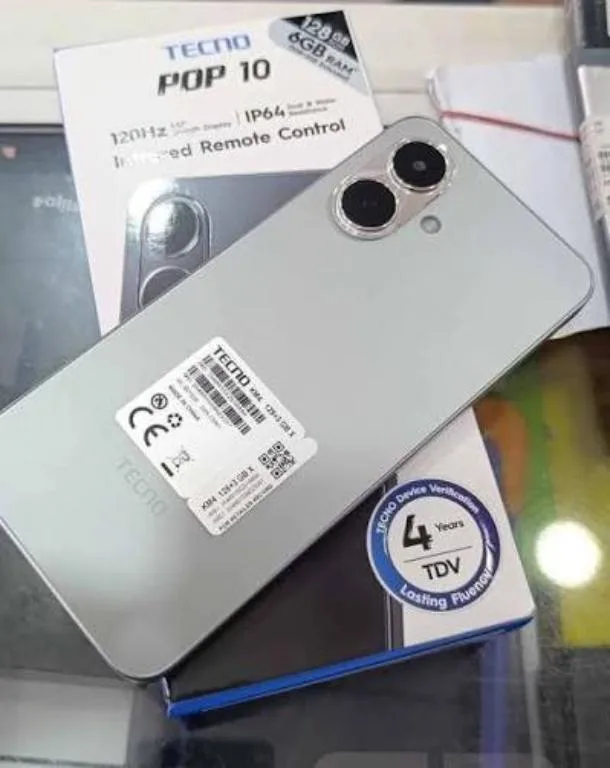
The POP series is the most accessible tier in Tecno’s range, designed for buyers on a strict budget who need a functional smartphone for the first time. The focus is narrow by design: basic connectivity, essential app performance, and enough battery to last a full day.
The current lineup features the new Pop 11, the popular Pop 10, and the Pop 10 Pro. These phones are not built to compete with mid-range devices on camera quality or processing speed. They are built to bring first-time smartphone users onto a functional Android platform without the financial barrier that flagship and mid-range pricing creates.
The POP series is the right choice for buyers buying their first smartphone, for parents buying a child’s first device, or for anyone who needs a secondary phone for a specific limited purpose. It is not the series to buy if you want longevity under heavy use.
Which Tecno Series Is Right for You?
The five series cover every major segment of the smartphone market, and Tecno has been deliberate about not letting them overlap significantly.
Buy the Phantom if budget is not the primary concern and you want Tecno’s most advanced hardware, including foldable options.
Buy the Camon if photography and video content creation is your primary use case and you want the best camera Tecno produces at your price point.
Buy the POVA if battery life and gaming performance are your priorities and you need a phone that survives heavy, all-day use.
Buy the Spark if you want a balanced, stylish mid-range phone for everyday use without committing to a specialist device.
Buy the POP if you are on the tightest possible budget and need a functional first smartphone with no extras.
The Tecno lineup is one of the more logically structured in the African market. Once you know which series matches your priorities, the decision becomes easier.