
Namibians spent years associating loan applications with long queues, missing paperwork, and branch staff who could only process one file at a time. That picture has changed. Loan Apps in Namibia now let people apply for credit through a phone screen, and many approvals land the same day. This shift did not happen because dozens of new fintech startups flooded the country the way they did elsewhere on the continent. It happened because a small group of trusted institutions built digital doors into products they already offered.
This guide breaks down which loan apps actually function in Namibia, who holds them accountable, what documents you will need on hand, and how to tell a licensed lender from one that is only pretending to be legitimate.
Quick Links
Cash Loan Apps in Namibia
Unlike some other African countries where dozens of standalone third party apps compete for your attention, Namibia’s digital lending space is smaller and more tightly controlled. The main players are established banks and microfinance companies, not random apps you download from an unknown source.
LetsGo (by Letshego)
Letshego Holdings Namibia runs the LetsGo digital platform, offering personal and payroll loans through its app and web portal. It’s built for everyday Namibians who want quick access to credit without visiting a branch.
PostFin Online
PostFin, a subsidiary of NamPost, offers formal microfinance products including an online application system for loans and debt consolidation. It carries the backing of a long established national institution.
FNB App and FNB DigiPlus
First National Bank of Namibia lets customers access instant credit features, overdraft facilities, and short term personal loans right inside the FNB banking app. For individuals who already bank with FNB, this is often the fastest route to extra funds.
Standard Bank Digital Personal Loan
Standard Bank Namibia provides instant, paperless credit lines directly via Internet Banking or Cellphone Banking (USSD short code). This allows pre-approved current account holders to access instant funds transferred straight into their accounts without visiting a branch.
BW Finance (by Bank Windhoek)
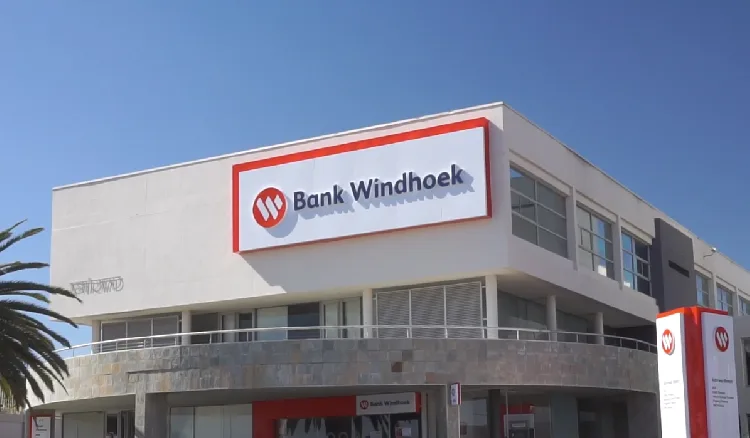
This is the official microfinance lending arm of Bank Windhoek Holdings. It provides structured microloans with flexible repayment periods from 12 to 48 months. These loans are primarily distributed through formalized payroll deduction agreements with employers.
These five stand out because they’re tied to institutions people already trust, and because they’re accountable to a real regulator.
Who Watches Over These Lenders
Two bodies oversee lending in Namibia, and knowing the difference helps you understand who to complain to if something goes wrong.
The Namibia Financial Institutions Supervisory Authority, known as NAMFISA, supervises non banking financial institutions, including microlenders. Traditional banks offering digital credit fall under the Bank of Namibia instead.
Microlenders operate under the Microlending Act of 2018. This law gives NAMFISA the power to register lenders, enforce consumer protection rules, and cap interest rates. Under current regulation, a standard microloan cannot exceed N$100,000 in principal, and repayment must be spread across no more than 60 months. That structure gives borrowers a level of protection that unlicensed apps simply don’t offer.
What You Need Before You Apply
Every legitimate digital lender in Namibia asks for a similar set of documents. Having these ready before you start an application saves time and avoids delays.
- A valid Namibian National Identity Document.
- A recent original payslip or other proof of steady income.
- Recent bank statements showing regular financial activity.
- A clean credit record without severe adverse listings on the credit bureau.
If a lender skips these steps entirely and promises instant approval with zero verification, that’s a warning sign.
Why Some Apps Should Be Avoided
Rogue lending apps operating without proper registration are becoming a growing problem across Southern Africa, and Namibia is not immune. These unregulated platforms often advertise instant cash approvals online without running any real credit checks.
The trouble starts once a borrower misses a payment. Unregistered apps frequently use aggressive and sometimes abusive collection tactics that a properly licensed lender would never get away with. Many of these apps also fail to protect user privacy, and they’ve been known to hide extreme fees or squeeze borrowers into repayment windows so short they set people up to fail. None of this lines up with the consumer protection standards NAMFISA has put in place.
The lesson here is simple. Just because an app is easy to download doesn’t mean it’s safe to use.
How to Check If a Lender Is Legit
Before you hand over your ID, payslip, or bank statements to any lending app, take a few minutes to confirm it’s actually registered. NAMFISA publishes an active list of authorized microlenders on its official website, and checking that registry takes far less time than dealing with a predatory lender later.
A few habits worth building into your routine:
- Search for the lender’s name on the NAMFISA registry before applying
- Avoid installing apps from links sent through unsolicited messages
- Read the loan terms carefully, especially interest rates and repayment periods
- Confirm the lender has a physical address and a working customer service line
- Trust your instincts if a deal sounds too easy or too good
Namibia’s digital lending environment is safer than in many neighboring countries precisely because the major players are regulated banks and long standing microfinance institutions rather than anonymous apps. LetsGo, PostFin, FNB, Standard Bank, and Bank Windhoek all give Namibians a legitimate way to borrow money digitally, backed by real oversight and clear legal limits on what they can charge.
Still, the rise of unregistered lending apps means borrowers need to stay alert. A few minutes spent verifying a lender’s status on the NAMFISA portal can save you from months of stress, hidden fees, or harassment from illegal debt collectors. When it comes to borrowing money, a little caution upfront protects you far more than any quick approval ever will.
Disclaimer: This article is for general informational purposes only and does not constitute financial advice. Loan terms, interest rates, and eligibility criteria change frequently. Always verify current terms directly with each regulated provider before applying.