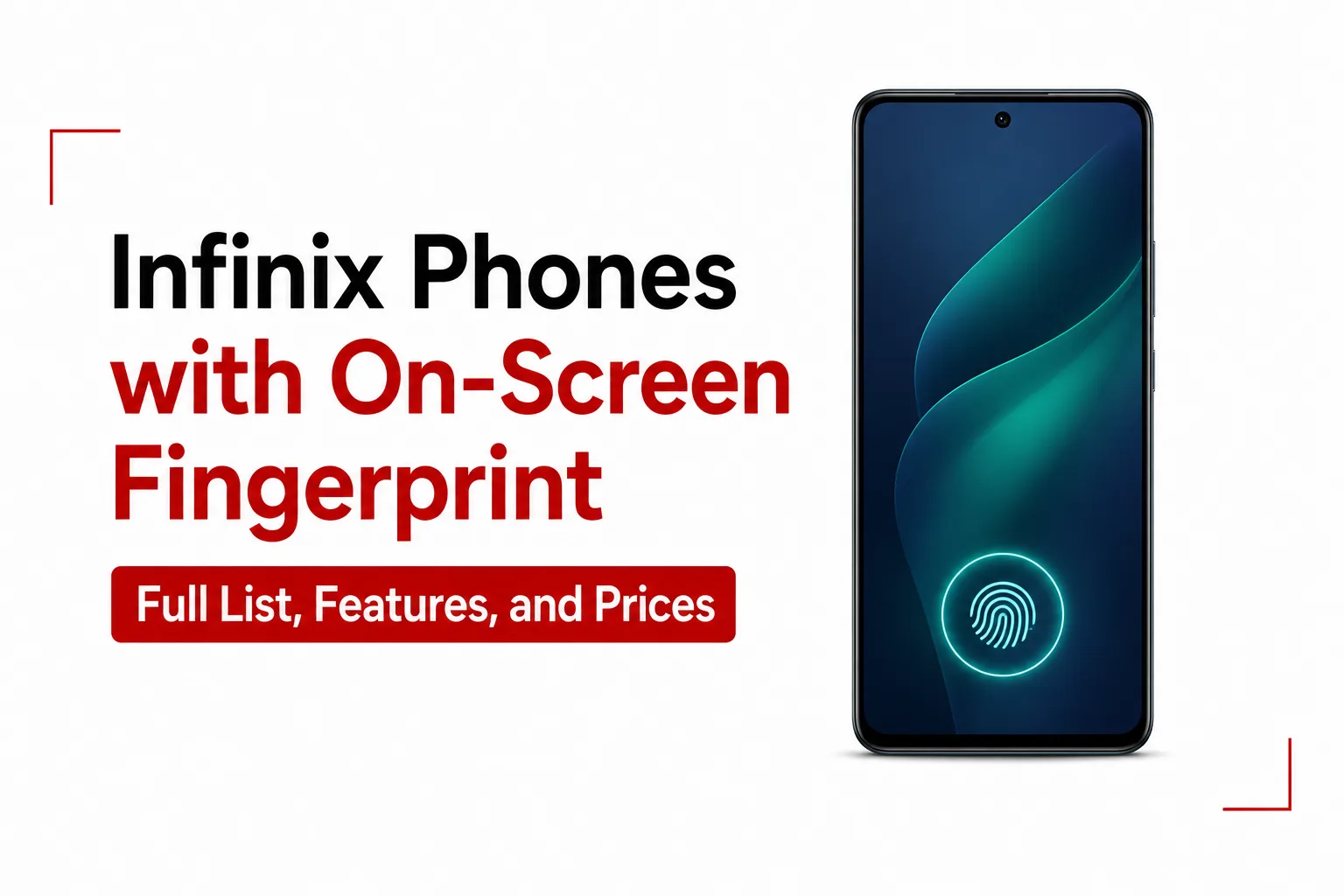

Infinix phones with on screen fingerprint sensors are not as widespread across the catalog as most buyers assume, and that distinction is worth understanding before making a purchase decision. For most of Infinix’s history, the brand relied on rear-mounted or side-mounted fingerprint sensors to keep manufacturing costs down and prices accessible. On-screen biometric authentication is a different technology entirely, one that demands AMOLED display panels and more sophisticated engineering. That is why you will only find it on Infinix’s upper mid-range and flagship devices, not on its entry-level LCD-equipped Hot or Smart series.
This article covers every Infinix phone currently confirmed to carry an on-screen fingerprint sensor, how the technology actually works, what the software experience looks like, and what each tier costs.
Quick Links
How Infinix On-Screen Fingerprint Technology Works
Infinix uses optical under-display sensors across all its on-screen fingerprint models. Knowing how this technology operates makes it easy to see where it shines and where it struggles.
When you press your finger against the screen, the display pixels directly beneath your fingertip fire a bright structural light pattern upward. An optical camera sensor positioned underneath the glass panel captures the image of your fingerprint ridges using that reflected light. The system then validates that image against the biometric data stored during setup.
This process is why AMOLED screens are non-negotiable for this feature. LCD panels do not allow light to pass through their matrix in the same way, which means the optical camera beneath the glass cannot do its job. Every Infinix model on this list carries an AMOLED display for precisely this reason.
Infinix Phones with On-Screen Fingerprint Sensor
Infinix Zero Series
The Zero Series sits at the top of the Infinix lineup, and it was the first family to adopt on-screen fingerprint technology across the brand. These devices are built around slim profiles and curved screen aesthetics, which works in favor of the optical sensor. Thinner, flexible AMOLED panels allow for faster and more responsive authentication compared to thicker display setups.
Models in this tier include the Infinix Zero 40 5G, Infinix Zero 40 4G, Infinix Zero 30 5G, and Infinix Zero 30 4G.
All four carry 3D curved AMOLED screens with refresh rates up to 144Hz, peak outdoor brightness above 1,300 nits, and Gorilla Glass protection. The curved display construction is one reason the Zero Series delivers some of the most responsive on-screen fingerprint performance in the Infinix catalog.
Price range: Around $350 to $420, translating to roughly ₦520,000 to ₦650,000 depending on RAM and storage configuration.
Infinix GT Series
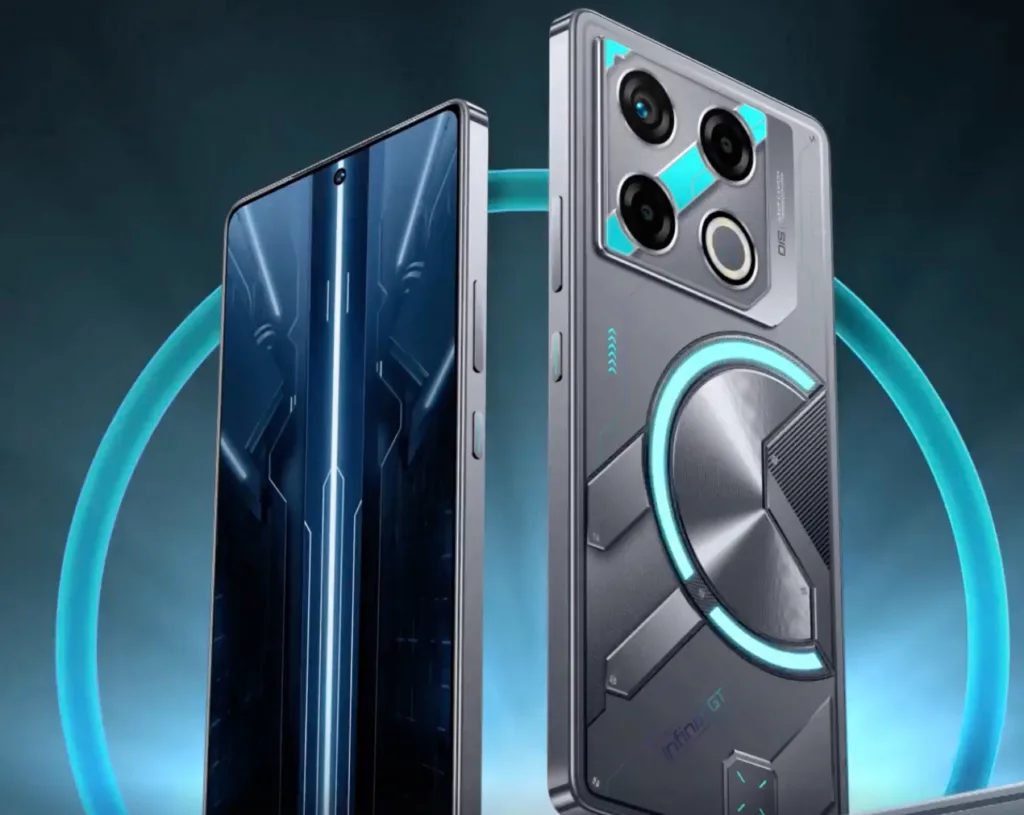
The GT Series is Infinix’s dedicated gaming lineup, built for mobile esports and high graphical output. These devices are recognizable by their distinct rear LED designs and are engineered to maintain system performance under sustained heavy loads.
Models in this tier include the Infinix GT 20 Pro and Infinix GT 10 Pro.
Both carry flat 144Hz LTPS AMOLED gaming displays with high touch sampling rates and integrated eye protection dimming technology. For the on-screen fingerprint sensor specifically, Infinix has optimized the system software so that background gaming processes do not slow down biometric authentication. When a game is running in the background or the CPU is under load, the fingerprint sensor maintains its response speed and does not queue behind other processes.
Price range: Around $270 to $320, translating to roughly ₦400,000 to ₦480,000.
Infinix Note Series
The Note Series is where Infinix moves the highest volume in its mid-tier segment. These devices blend fast charging speeds with upgraded display technology and bring on-screen fingerprint authentication to buyers who do not want to pay flagship prices for the feature.
Models in this tier include the Infinix Note 40 Pro 5G, Infinix Note 40 Pro, Infinix Note 40, and Infinix Note Edge.
Display setups across the Note range cover 120Hz Super Bright AMOLED panels in both flat and curved configurations, with ultra-narrow borders. The optical fingerprint sensors here are paired with additional software security layers built into Infinix’s XOS skin, giving users more control over how the biometric system behaves day to day.
Price range: Around $200 to $260, translating to roughly ₦300,000 to ₦390,000.
Infinix Hot Series
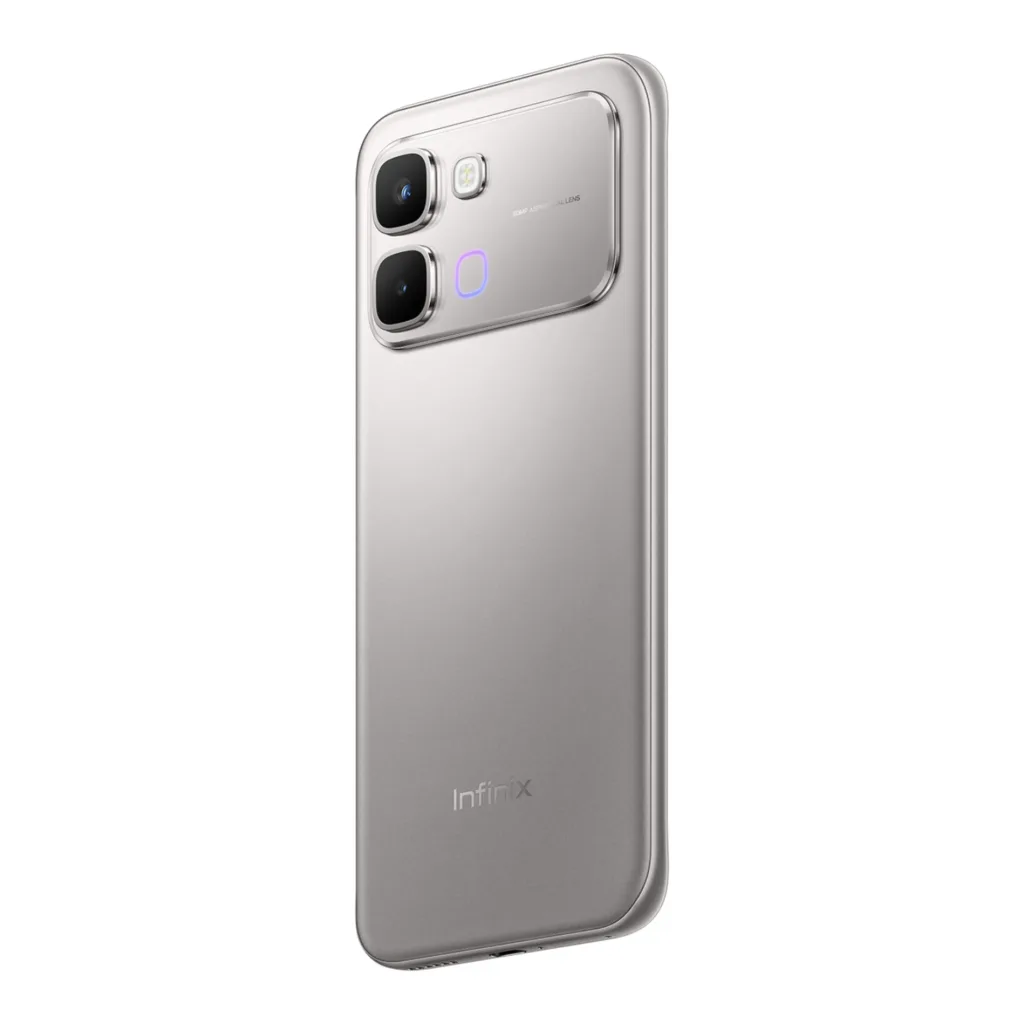
The Hot Series is Infinix’s budget lineup, and on-screen fingerprint sensors have historically not been part of that conversation. One model has changed that.
The Infinix Hot 60 Pro carries a 144Hz flat AMOLED panel, which is a significant departure from the LCD displays that have defined this tier. That display upgrade is what makes on-screen fingerprint authentication possible on a Hot series device, and it marks the first time Infinix has brought this feature down to its budget mid-range category.
Price range: Around $200 to $260, translating to roughly ₦300,000 to ₦390,000.
What the Software Experience Looks Like
Infinix has built several layers of customization around its on-screen fingerprint system through XOS, its Android skin.
Visual and sound customization: Through the settings menu, users can change the animation style that plays when the fingerprint area is touched, alongside the sound profile that triggers on a successful scan. This is a minor feature but one that adds a layer of personality to the experience.
Quick launch shortcuts: The fingerprint sensor can be configured to do more than unlock the device. Users can assign specific fingers to launch distinct apps directly from a locked screen. A thumbprint could open the camera. An index finger could open a payment app. Each finger can be mapped to a different action, turning the sensor into a shortcut system.
These software additions sit on top of the standard biometric unlock function and are managed entirely within the XOS settings interface.
Limitations Worth Knowing Before You Buy
Wet hands: Optical sensors work by capturing a light-based image of your fingerprint. Water drops sitting on the glass distort that light path, which prevents the camera underneath from reading your print accurately. If your hands are wet or heavily sweating, the sensor will struggle to authenticate consistently.
Screen protectors: Thick tempered glass protectors interfere with the light transmission that optical sensors depend on. Infinix advises using high-quality UV-cured film protectors or officially certified thin glass options. A standard thick tempered glass protector bought from a generic accessories stall will likely cause high scan failure rates, which means the phone falls back to PIN entry far more often than it should.
Summary: Infinix On Screen Fingerprint Models and Prices
| Series | Models | Price Range |
|---|---|---|
| Zero Series | Zero 40 5G, Zero 40 4G, Zero 30 5G, Zero 30 4G | ₦520,000 to ₦650,000 |
| GT Series | GT 20 Pro, GT 10 Pro | ₦400,000 to ₦480,000 |
| Note Series | Note 40 Pro 5G, Note 40 Pro, Note 40, Note Edge | ₦300,000 to ₦390,000 |
| Hot Series | Hot 60 Pro | ₦300,000 to ₦390,000 |
On screen fingerprint technology on Infinix devices is no longer exclusive to the top tier. With the Hot 60 Pro bringing it into the budget mid-range bracket and the Note Series making it accessible well below ₦400,000, the brand has successfully decentralized a feature once reserved for its most expensive models.