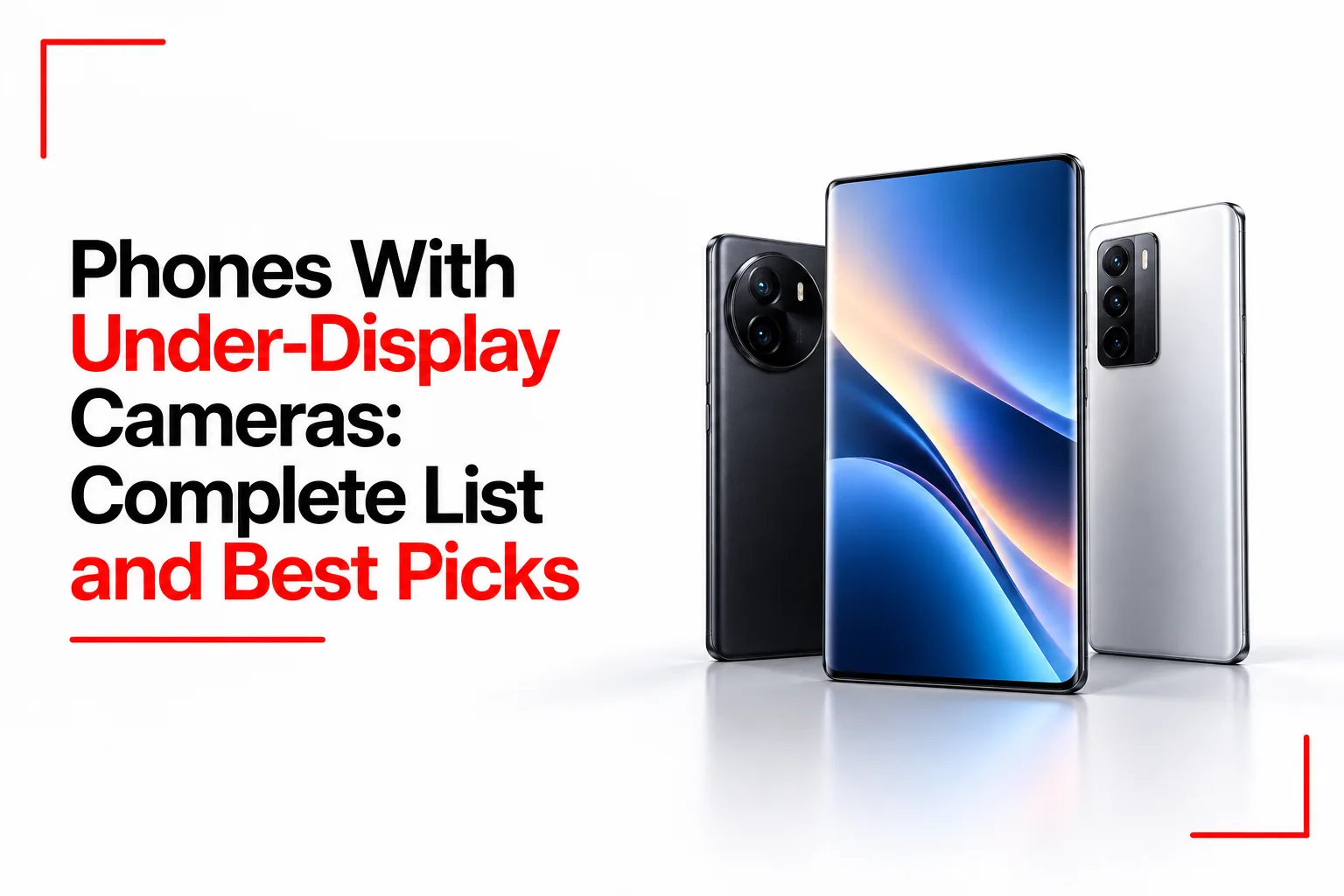

Smartphone screens have changed a lot over the years, with manufacturers finding new ways to give users more display space without adding bulky bezels or visible camera cutouts. Under display camera technology takes this idea further, placing the selfie camera behind the screen so the front of the phone looks clean and uninterrupted. The result is especially appealing for mobile gaming, watching films and anyone who prefers an all screen design.
Phones with under display cameras are still a niche part of the smartphone market, with most models coming from brands such as ZTE, Nubia and Samsung. The technology has its own trade offs, though, as hiding a camera beneath the display can affect selfie quality, especially in challenging lighting. Knowing which phones use this design, what each model brings to the table and where the limitations lie can help you understand which devices are worth a closer look.
Table of Contents
Understanding Under Display Camera Technology
An under display camera, often shortened to UDC, sits behind the phone’s active screen. Unlike a traditional selfie camera, it does not need a visible notch or a hole cut into the display. The screen covers the camera area, giving the front panel a cleaner appearance during everyday use.
Manufacturers have spent years improving this technology because placing a camera behind a screen creates a difficult engineering challenge. The display needs to show images clearly while allowing enough light to reach the sensor when someone takes a selfie or joins a video call.
How Does an Under Display Camera Work?
A UDC uses a specially designed section of the display that allows more light to pass through to the camera. Manufacturers adjust the pixel arrangement and the circuitry above the sensor to reduce interference with incoming light. The camera also relies on image processing to improve the captured photo.
The screen continues to display content across the camera area, although its appearance may not be perfectly uniform under every condition. Some phones show a faint patch or difference in pixel density where the camera sits, particularly against bright backgrounds.
Newer designs have improved the appearance of this area, but the technology still involves compromises. The display has to transmit light to the sensor without making the camera section too noticeable to someone looking at the screen.
Benefits and Limitations of UDC Technology
The biggest attraction is the uninterrupted display. Games, films and apps occupy the screen without a visible selfie camera cutout. This design also gives manufacturers more freedom to create phones with a clean front panel.
Image quality is the main drawback. Light passing through the display can lose intensity or become distorted, affecting detail, colour and dynamic range. Selfies may look softer than photos taken with a conventional front camera, particularly indoors or in bright sunlight.
Other limitations include:
- Reduced light intake: The screen blocks some of the light that would reach a conventional selfie camera.
- Softer details: Fine features and textures may look less defined in photos.
- Flare and haze: Light sources can create unwanted glare or a hazy appearance.
- Image processing: Software has to correct some of the distortion introduced by the display.
- Display uniformity: The camera area may look slightly different from the surrounding pixels in certain conditions.
UDC phones are still suitable for everyday use, although their hidden cameras may capture less detailed selfies than standard front facing cameras.
Related Article: Best Android Phones Without Cameras
Phones With Under Display Cameras
Most commercially released UDC phones have come from ZTE and its Nubia and RedMagic brands. Samsung has also used the technology on the inner screens of its Galaxy Z Fold foldables. Motorola and Xiaomi have released individual models with this design.
The following list focuses on commercially released smartphones with a confirmed under display front camera. Availability depends on the country, and many older models are now found mainly through used phone sellers or remaining stock.
ZTE Phones With Under-Display Cameras
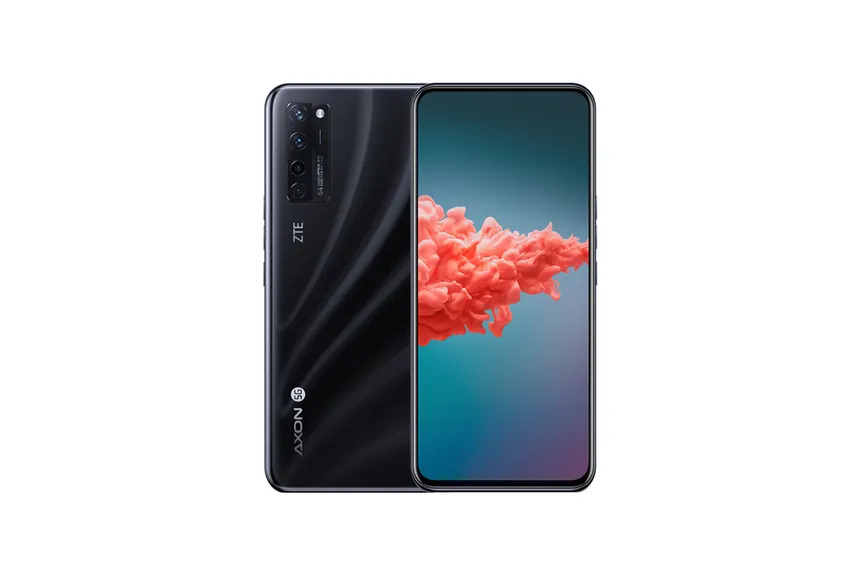
ZTE introduced the technology to the commercial smartphone market with the Axon 20 5G in 2020. Later Axon models improved the display area above the camera, bringing clearer images and a less noticeable sensor location.
- ZTE Axon 20 5G: The first commercially released smartphone with an under display camera. It introduced the concept to everyday phone users.
- ZTE Axon 20 5G Extreme Edition: A special edition of the Axon 20 range with the same basic UDC concept.
- ZTE Axon 30 5G: Improved the camera area through a revised pixel arrangement and additional image processing.
- ZTE Axon 30S: A related model that also places its selfie camera beneath the display.
- ZTE Axon 40 Ultra: Uses a later generation of UDC technology, with a 6.8 inch AMOLED display and a 120Hz refresh rate.
- ZTE Axon 40 Ultra Space Edition: A special edition of the Axon 40 Ultra with higher memory and storage configurations in selected markets.
The Axon 20 and Axon 30 are mainly of interest to people who want to explore the technology at a lower cost. The Axon 40 Ultra has more advanced hardware, although its age means buyers should check software support, battery condition and local availability before purchasing.
Nubia and RedMagic Phones With Under-Display Cameras
Nubia has continued developing UDC technology for premium phones and gaming devices. RedMagic focuses on gaming, making the hidden front camera particularly useful during full screen gameplay.
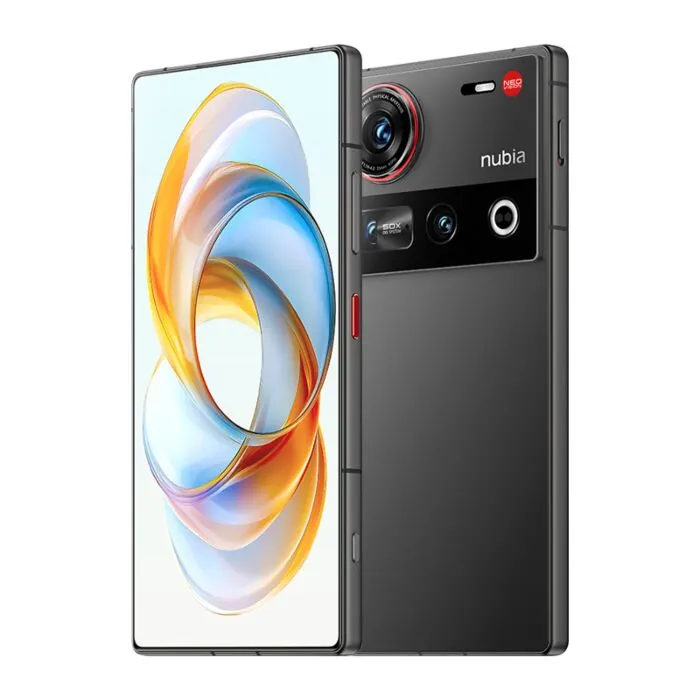
Nubia Z Series
- Nubia Z50 Ultra: Features an all screen display with an under display selfie camera.
- Nubia Z60 Ultra: Continues the all screen design with updated hardware and rear camera features.
- Nubia Z60 Ultra Leading Version: An updated version of the Z60 Ultra with revised internal hardware.
- Nubia Z70 Ultra: Uses a newer UDC panel alongside a high refresh rate display and flagship hardware.
- Nubia Z70S Ultra: An updated member of the Z70 range with an uninterrupted front display.
- Nubia Z80 Ultra: A newer generation of the all screen Nubia design, introduced after the Z70 series.
These phones appeal to users who want a conventional smartphone shape without a visible selfie camera cutout. Their rear cameras are generally more suitable for photography than the hidden front camera, making them more appealing to people who take most of their photos with the main camera.
RedMagic Gaming Phones
- RedMagic 7 Pro & 7S Pro
- RedMagic 8 Pro, 8 Pro+, & 8S Pro
- RedMagic 9 Pro, 9 Pro+, & 9S Pro
- RedMagic 10 Pro, 10 Pro+, & 10 Air
- RedMagic 11 Pro, 11 Pro+, & 11 Air
- RedMagic 12 Pro & 12 Pro+
The RedMagic 10 Pro series uses a 1.5K display with a 144Hz refresh rate and an under display camera. Its screen design leaves games and videos free of a visible camera hole, while the high refresh rate supports smooth motion during gameplay. Earlier models also have an all screen design, although display quality and internal hardware depend on the generation. The RedMagic 7 Pro and 7S Pro are older options, while the 8 and 9 series may appeal to buyers looking for a lower price than the newer models.
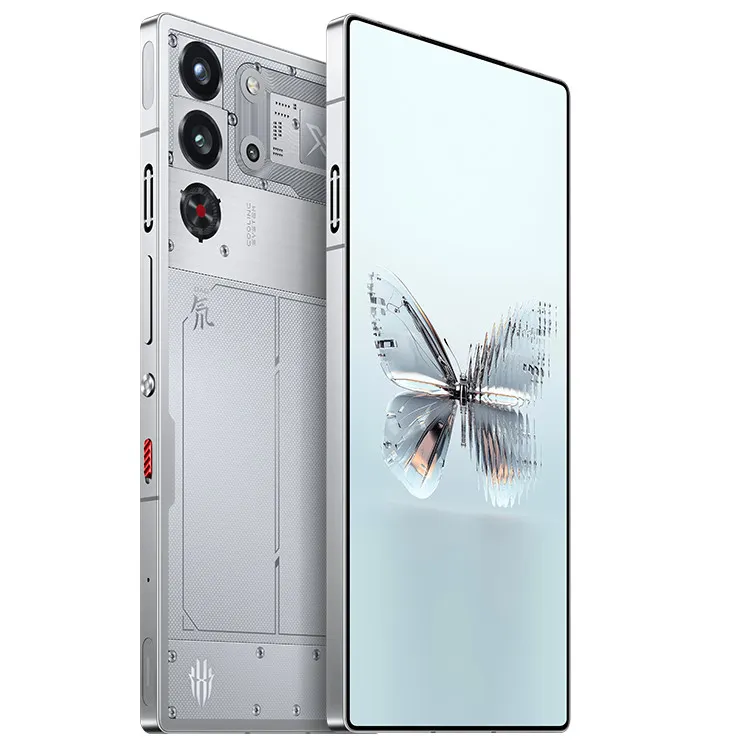
RedMagic phones are built around gaming features such as high performance processors, cooling systems and large displays. If you play mobile games for long periods, the hidden camera is a useful part of the overall design. Selfie quality is less impressive than on many phones with conventional front cameras, so frequent video callers should keep that trade off in mind.
Samsung Galaxy Z Fold Phones With Under-Display Cameras
Samsung uses under display cameras on the large inner screen of selected Galaxy Z Fold phones. The outer cover screen still has a conventional front camera, giving users another option for selfies and video calls.
Samsung has used under display cameras on these Galaxy Z Fold models:
- Samsung Galaxy Z Fold3 5G
- Samsung Galaxy Z Fold4
- Samsung Galaxy Z Fold5
- Samsung Galaxy Z Fold6
The Galaxy Z Fold3 introduced this feature to Samsung’s foldable range. Later models retained the hidden camera on the inner screen, allowing the large folding display to remain free of a visible camera cutout. The inner camera is useful for video calls, face recognition and occasional selfies. However, its relatively low resolution makes it less suitable for detailed self portraits. Samsung recommends using the cover screen camera when you want clearer selfies or videos, while the under display camera is mainly intended for video calls and facial recognition.
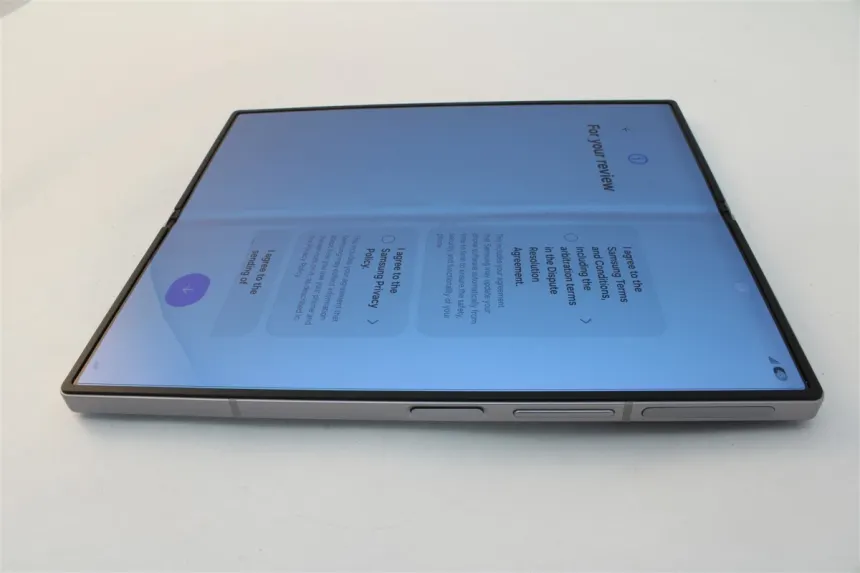
The Galaxy Z Fold range is a good option for users who want an uninterrupted large display for reading, multitasking, gaming and watching videos. The hidden camera is part of the inner screen experience, but it is not the main reason to buy a foldable phone.
Important: The under display camera is only on the inner screen. The external cover screen still has a visible front camera, and later Galaxy Z Fold generations should not be assumed to have UDC technology without checking their specifications.
Related Article: Best Android Phones Without a Camera Bump
Xiaomi Phones With Under-Display Cameras
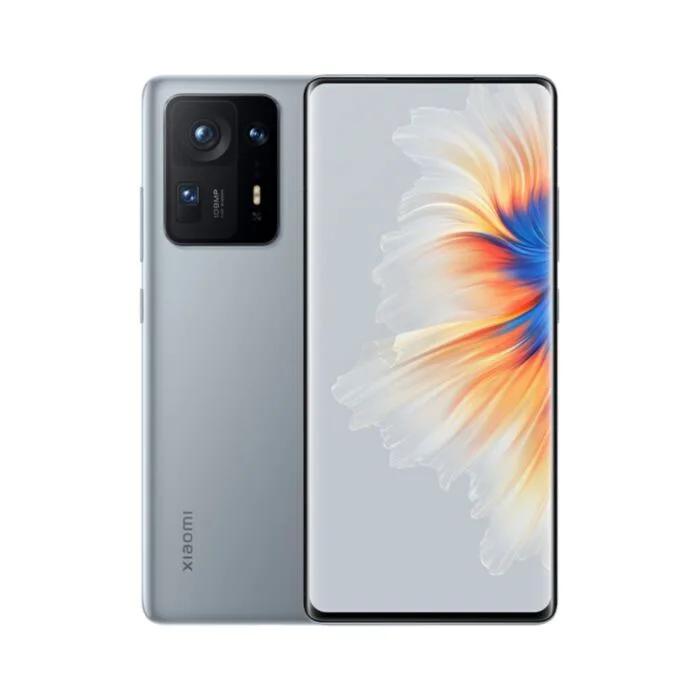
Xiaomi MIX 4
The Xiaomi MIX 4 uses the company’s Camera Under Panel technology, which places the selfie camera behind the display. It was one of the most notable alternatives to ZTE and Nubia devices to bring this design to a commercial phone. The phone has a large AMOLED screen with no visible front camera cutout. Its display technology was designed to balance light transmission to the camera with normal screen viewing.
The MIX 4 is now an older device, and availability depends heavily on the market. Buyers considering a used model should check its battery health, network compatibility, software condition and access to repairs before spending money on it.
Motorola Phones With Under-Display Cameras
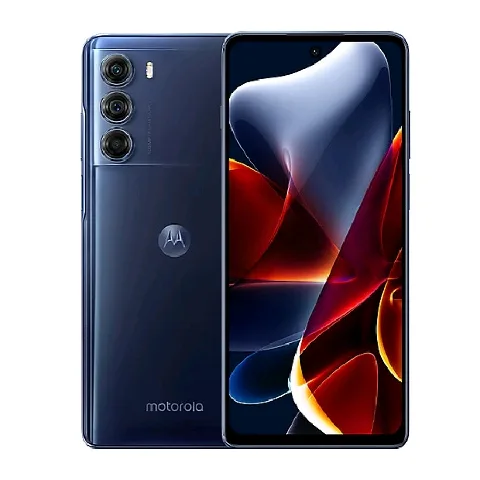
Motorola Edge X30 Special Edition, also called the Edge X30 Under-Screen Camera Edition
Motorola released this special edition in China in 2022. It features a 60MP front camera hidden beneath the display, while the standard Edge X30 has a visible selfie camera cutout.
The phone also includes a Snapdragon 8 Gen 1 processor, a 144Hz display and a 5,000mAh battery. Although the front camera has a 60MP resolution, the display covering the sensor can still affect selfie clarity and detail. This model had limited market availability, making it harder to find than many mainstream Motorola phones. Anyone considering an imported unit should check local network bands, software compatibility and repair options.
iPhone Duo: Under-Display FaceTime Camera
The iPhone Duo features an under display FaceTime camera beneath its 7.6-inch inner screen, giving users an uninterrupted viewing area without a visible selfie camera cutout. This design makes the large display more immersive for watching videos, gaming and video calls.
The camera sits beneath a specially designed section of the display that allows light to reach the sensor while keeping the screen functional. A subtle change in the pixel arrangement around the camera may be visible under certain lighting conditions. The outer screen has a conventional front camera for selfies and video calls when the phone is folded. Having cameras on both screens allows users to make calls and take photos without needing to unfold the device every time.

What to Check Before Buying a UDC Phone
A hidden selfie camera can make a phone look more modern, but screen design should not be the only consideration. Check these details before buying a phone with an under display camera.
- Selfie quality: Look for sample photos and video call tests. Camera resolution alone does not guarantee clear results when the sensor sits behind a display.
- Display quality: Check screen brightness, colour reproduction, refresh rate and how noticeable the camera area looks against light backgrounds.
- Software support: Older UDC phones may no longer receive regular security updates. Check the manufacturer’s support information for the exact model.
- Battery condition: This is especially important when buying used phones from earlier generations.
- Network compatibility: Imported models may not support every mobile network band used in your country.
- Warranty and repairs: Confirm that the phone can be serviced locally and that replacement parts are available.
- Price: Compare the cost with phones that use conventional selfie cameras. A cleaner screen may not justify a large price difference if front camera quality is important to you.
Are Under Display Cameras Worth It?
Under display cameras give phones an uninterrupted screen, although selfie quality may be lower than with a standard front camera. They are most appealing to people who value uninterrupted viewing, full screen gaming or the design of a phone without a visible selfie camera cutout.
RedMagic and Nubia have the widest selection of conventional smartphones with this technology, while Samsung provides it on the inner screens of selected Galaxy Z Fold models. Xiaomi and Motorola have also released UDC phones, although their models are older and may be harder to find.
Before buying, consider how often you take selfies or make video calls compared with how much you value an uninterrupted display. A phone with an under display camera may appeal to users who prefer an uninterrupted screen, while a standard front camera is better for those who prioritise selfie clarity.