
When people start researching clean energy alternatives, the industry language alone can make the process difficult. Two terms that constantly get mixed up are solar generator and solar inverter system. On the surface, both setups produce clean power, but they are built differently, priced differently, and designed for completely different types of users.
Getting this choice wrong is an expensive mistake. Someone who buys a portable solar generator expecting it to run their whole house will be disappointed. A person who installs a full inverter system in a rented apartment spends far more than necessary on a setup when a smaller alternative would work perfectly. Understanding the difference between a solar generator vs solar inverter upfront saves both time and money.
Here is a full breakdown of how each system works and how to choose the right one based on budget, energy needs, and power usage.
What Is a Solar Generator?
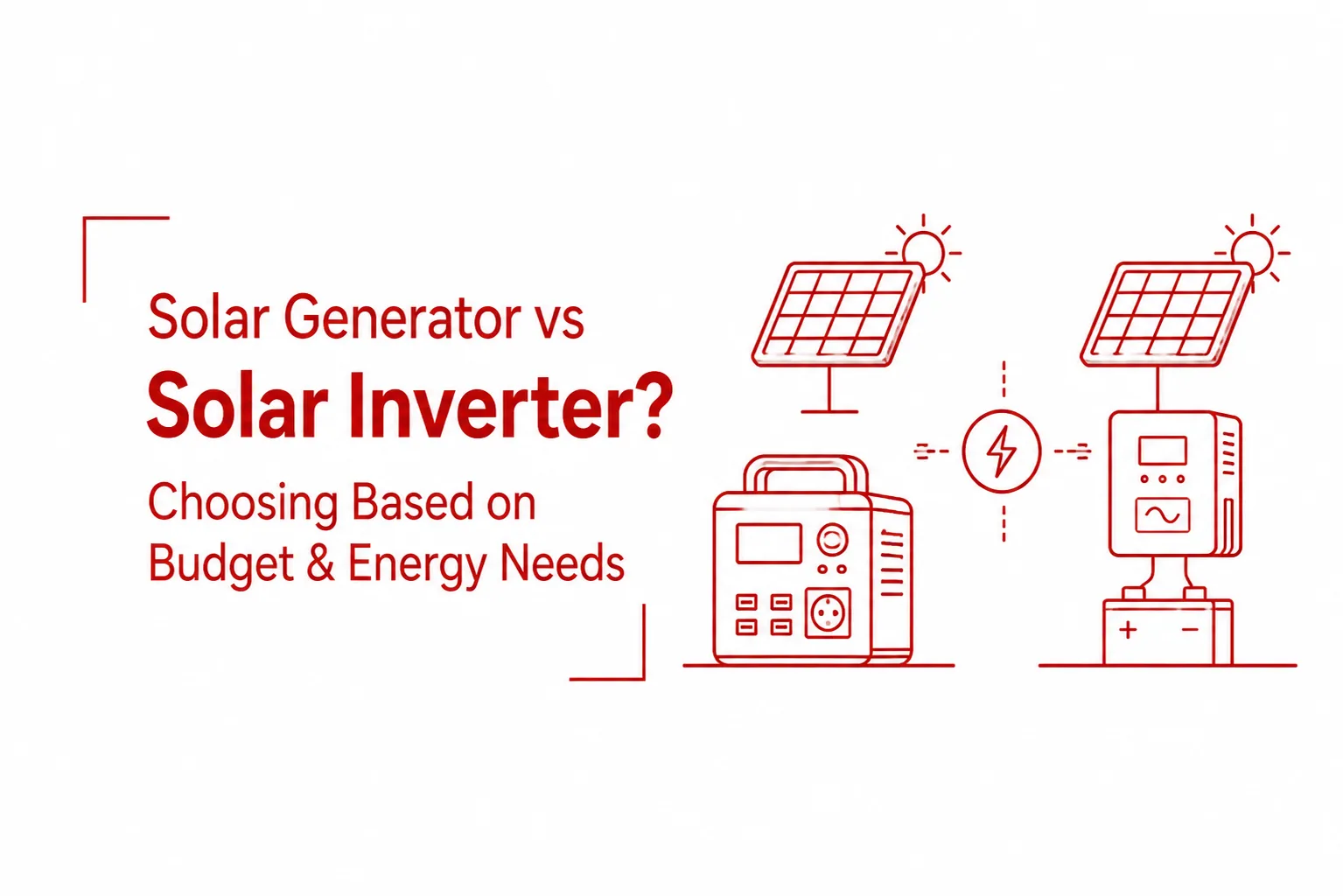
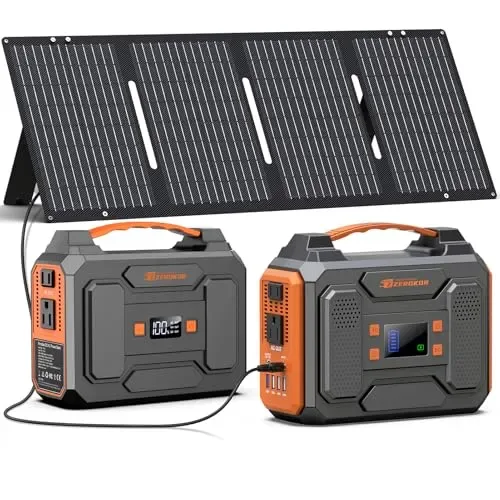
A solar generator, also called a portable power station, is an all in one consumer electronics device. Inside a single casing, it combines a battery, an inverter, a charge controller, and a set of outlets. The entire unit can be picked up by a handle, moved from room to room, and charged by plugging compatible solar panels directly into it.
This is a product you buy off the shelf and start using the same day, with no installation involved. Popular examples include units from EcoFlow, Lutian and itel, all of which are available at the higher capacity end of the portable market.
What Is a Solar Inverter System?
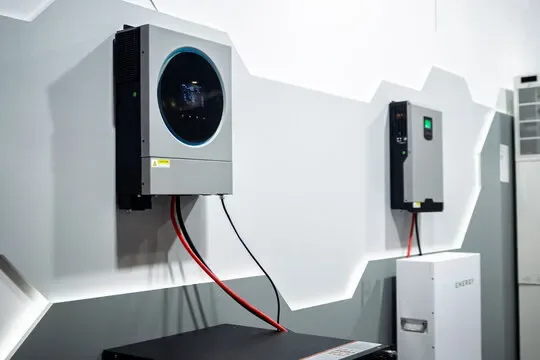
A solar inverter system is a permanent home infrastructure installation, not a single product. It is a custom built system put together by a technician, typically made up of a separate inverter box mounted on a wall, a dedicated battery bank on the floor, rooftop solar panels, and wiring that connects directly to the home’s distribution board.
This setup does not come in a box. It is designed, quoted, and installed specifically for a property. The difference in what these two setups can actually do is significant.
Solar Generator vs Solar Inverter: Choosing Based on Budget
For most people, budget is the first thing that shapes this decision.
Solar Generator
The upfront cost of a solar generator is much lower. A small unit capable of powering a laptop and a few lights costs relatively little, and even the heavy duty, high capacity units are affordable out of the box because there are no professional installation costs involved.
The tradeoff is cost efficiency over time. Solar generators have a high price tag relative to their battery capacity, and expanding capacity later means buying proprietary add-on battery packs from the same brand at premium prices. The system is affordable to start, but scaling it up gets expensive.
Related Article: DJI Power Stations Compared: Specs, Pricing, and Best Use Cases
Solar Inverter
A full solar inverter system costs significantly more upfront. The budget needs to cover the inverter hardware, a large battery bank, rooftop panel racking, safety breakers, and the labor costs of a licensed technician to install and wire everything correctly.
Over a five to ten year horizon, however, this is the more economical option. Because the system uses universal, non proprietary components, it’s possible to source raw lithium cells and standard solar panels at competitive wholesale pricing.
Solar Generator vs Solar Inverter: Choosing Based on Energy Needs and Power Usage
Budget aside, the clearest deciding factor is what appliances a person actually needs to run.
Light Loads and Mobility: Go With a Solar Generator
Portable generators are built for targeted, short term power relief. A solar generator is the right fit for someone who:
- Rents an apartment where drilling into walls or changing existing wiring is not permitted.
- Only needs to keep essential devices running during a blackout, such as smartphones, a Wi Fi router, a laptop, a small fan, or a television.
- Uses power away from home for camping, travel, or outdoor work setups.
For these use cases, a portable unit is flexible and does exactly what’s needed without overcomplicating things.
Related Article: Oraimo Energy KILI Power Station: Specs, Features, and Price
Heavy Loads and Whole House Comfort: Go With a Solar Inverter System
A wall mounted inverter system is designed to run an entire household without interruption. This is the right setup for someone who:
- Needs to power high surge appliances like refrigerators, deep freezers, washing machines, water pumps, or air conditioning units. These are loads a portable generator simply cannot sustain.
- Wants automatic power switching, meaning the system detects a grid failure and transfers the load to the battery bank in milliseconds, without the television flickering or the Wi Fi dropping.
- Owns their home and wants a long term energy backup that also adds structural value to the property.
If the goal is seamless, whole house comfort during load shedding or blackouts, a portable station will fall short. A dedicated inverter system is the only setup built for this.
Before You Decide, Know These Two Things
Beyond the budget and usage split, two shifts in the industry are worth understanding before making a final decision.
Battery Chemistry
Anyone shopping for either a solar generator or a home inverter system should pay close attention to the battery chemistry inside the unit. Old lead acid batteries and standard lithium ion setups, sometimes labeled NMC, are no longer the best option for home energy storage.
The current gold standard is Lithium Iron Phosphate, commonly written as LiFePO4. These cells are much safer, stay stable under heat, and last well over 3,000 to 6,000 charge cycles before showing meaningful degradation. Both high end portable generators and permanent inverter battery packs increasingly use this chemistry, and it’s worth confirming before buying.
Modern Inverter Systems Are Hybrid
Most home inverter systems sold today are hybrid systems. This means they are built to intelligently blend power from multiple sources at once, drawing from the grid, rooftop solar panels, and even a petrol generator if one is connected. The system automatically uses whichever source is cheapest or most available at any given moment, making it a more flexible and efficient long term investment.
The solar generator vs solar inverter decision comes down to two questions: how much is available to spend upfront, and what does the power actually need to run? For renters, travelers, and people with light power needs, a portable solar generator is a convenient, no installation solution. For homeowners who need whole house coverage, heavy appliance support, and automatic switching, a solar inverter system is the right long term investment.