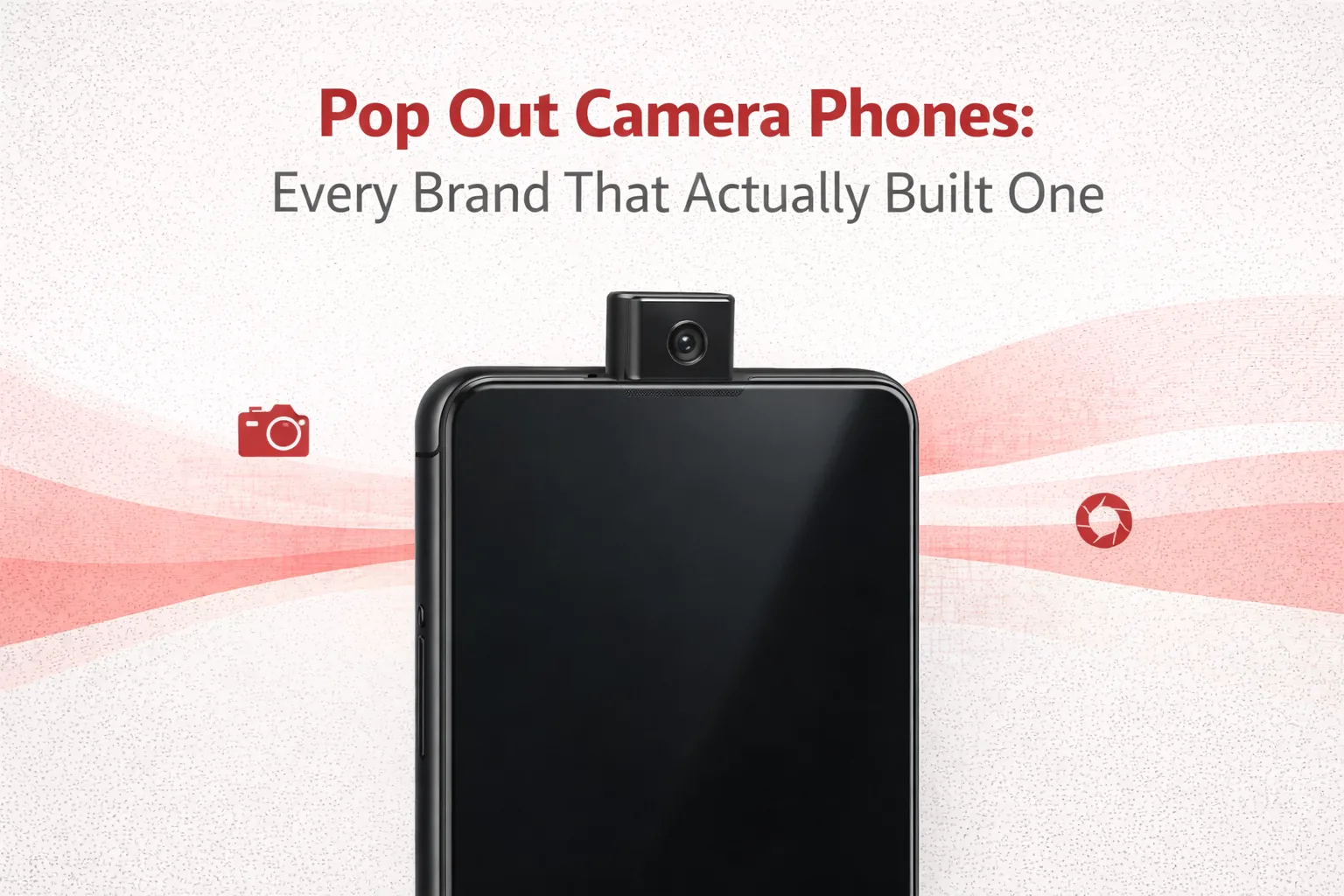

For a few years, pop-out camera phones were one of the most talked about designs in the smartphone industry. The idea was simple but impressive: hide the front camera inside the phone body and let it rise out mechanically when needed. This gave manufacturers a clean, uninterrupted full-screen display without a notch or a hole punch cutting through it.
Not every brand tried it. But the ones that did left a mark. Below is a list of every manufacturer that actually shipped a pop-out camera phone, along with the specific models they released.
Vivo
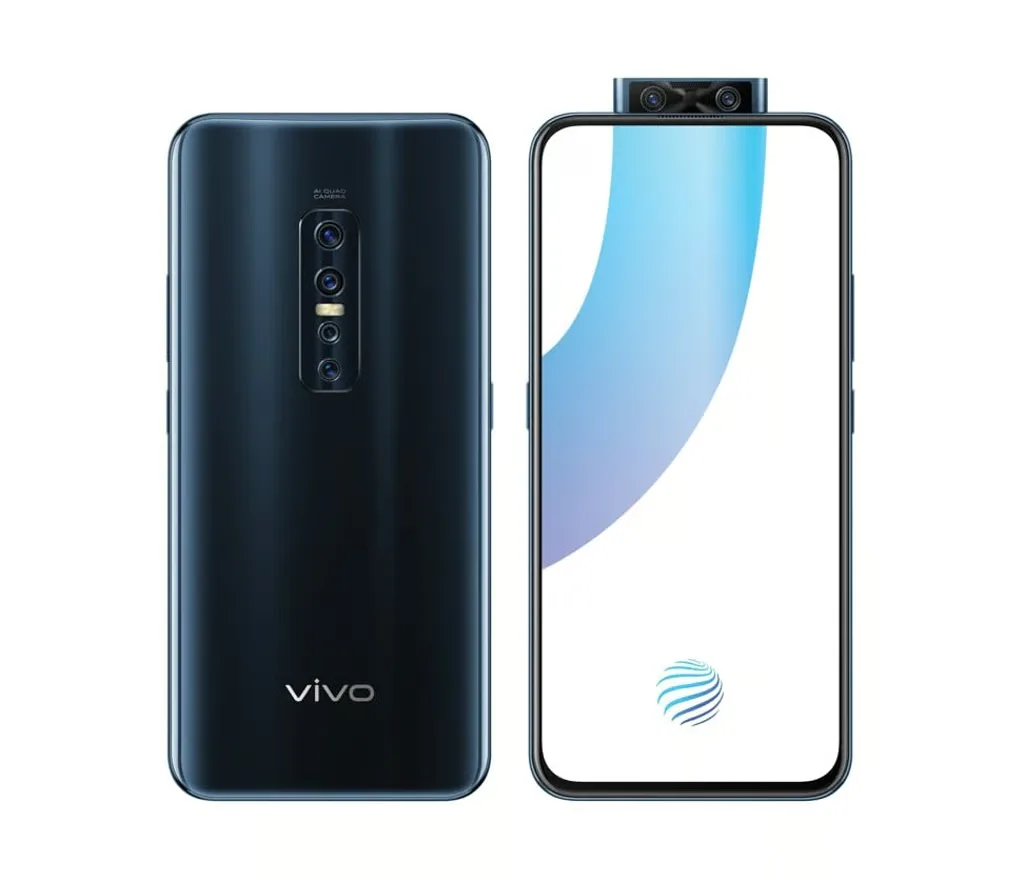
Vivo is widely credited as the brand that started the commercial pop-out camera trend. They committed to it more than any other manufacturer, releasing more models across more price points than anyone else.
Models:
- NEX / NEX S / NEX A (the first commercial pop-up camera phones)
- NEX 3 / NEX 3 5G / NEX 3S 5G
- V15 / V15 Pro
- V17 Pro (notably came with dual pop-up cameras)
- X27 / X27 Pro
- S1 / S1 Pro
OPPO
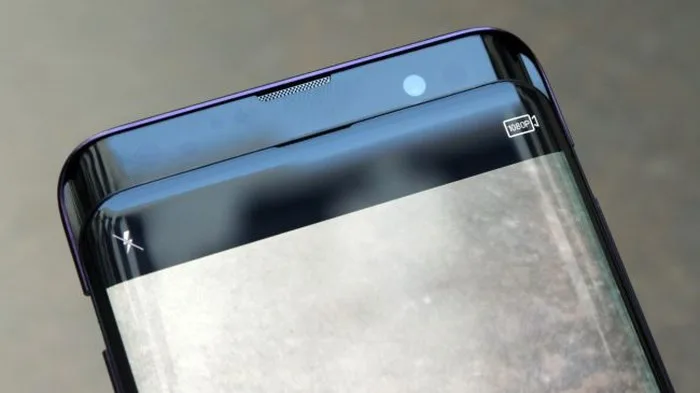
OPPO took a slightly different approach. Instead of a straight vertical pop-up, they introduced what became known as the “shark-fin” design, a wedge-shaped module that rose from the corner of the device. The Find X went even further, with the entire top section of the phone sliding upward to reveal both front and rear cameras.
Models:
- Find X (the entire top section slides up)
- Reno / Reno 10x Zoom / Reno 5G (shark-fin style)
- Reno2 / Reno2 Z / Reno2 F
- F11 Pro
- K3
Xiaomi (and Redmi / POCO)
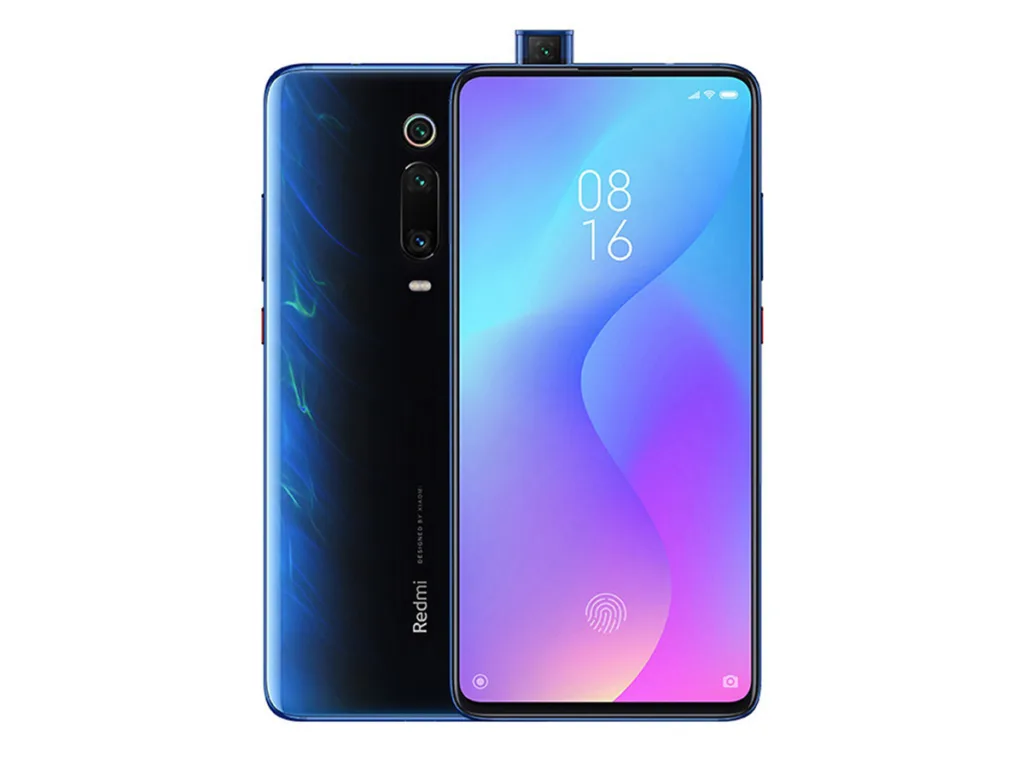
Xiaomi used the pop-out design to bring full-screen displays to more affordable devices. They also experimented with a manual slider on the Mi Mix 3, which put the user in control of the mechanism and removed the need for a motor altogether.
Models:
- Mi 9T / Mi 9T Pro
- Redmi K20 / K20 Pro / K20 Pro Premium
- Redmi K30 Pro / K30 Pro Zoom / K30 Ultra
- POCO F2 Pro
- Mi Mix 3 / Mi Mix 3 5G (manual slider mechanism)
OnePlus
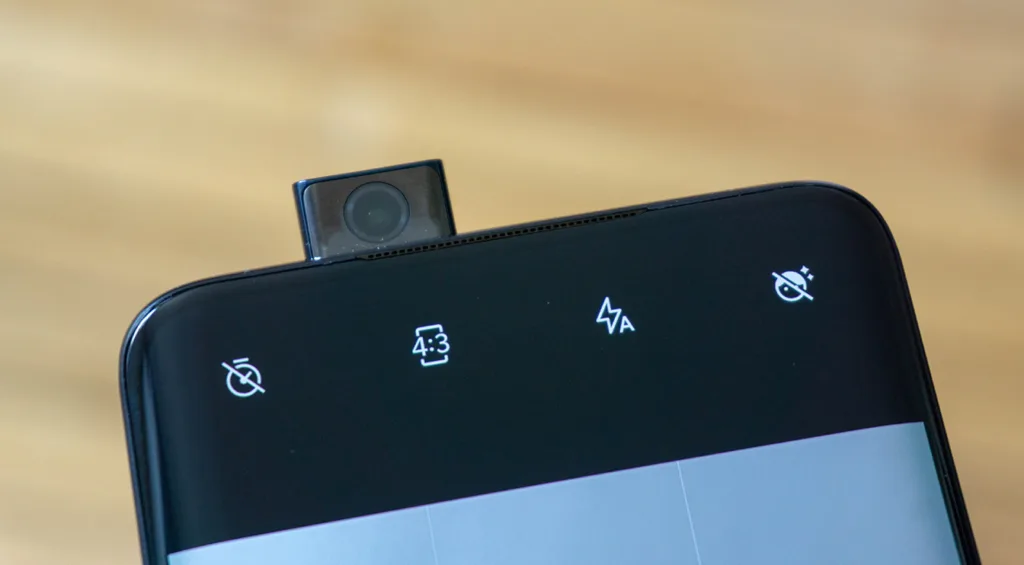
OnePlus used the pop-up camera on some of their most well-received flagship phones. The OnePlus 7 Pro is still remembered as one of the cleanest full-screen smartphone designs of its era.
Models:
- OnePlus 7 Pro / 7 Pro 5G
- OnePlus 7T Pro / 7T Pro McLaren Edition
Samsung
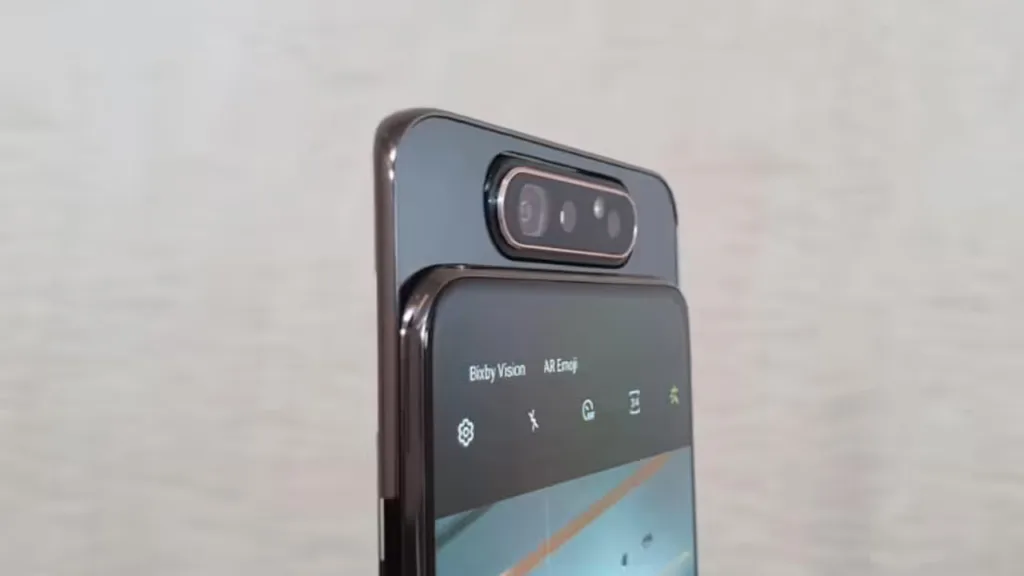
Samsung only made one entry into this space, but it was arguably the most creative. The Galaxy A80 did not just pop up. It popped up and then rotated, allowing the same camera module to serve as both the front and rear camera.
Models:
- Galaxy A80 (camera pops up and rotates to face the front)
Huawei and Honor
Huawei spread the design across multiple sub-brands and price segments. Honor, operating as a separate brand under Huawei at the time, also released several models including a slider variant with the Magic 2.
Models:
- Huawei P Smart Z / P Smart Pro
- Huawei Y9 Prime 2019 / Y9s / Y9a
- Huawei Enjoy 10 Plus / Enjoy 20 Plus
- Honor 9X / 9X Pro
- Honor X10 5G
- Honor Magic 2 (slider design)
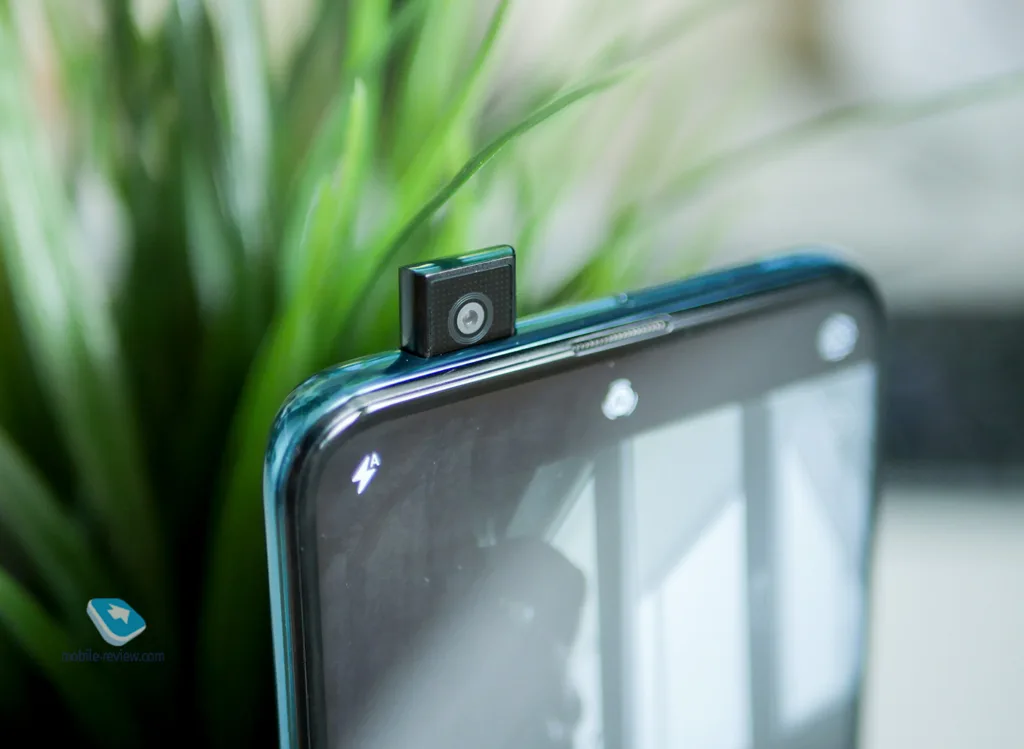
Motorola
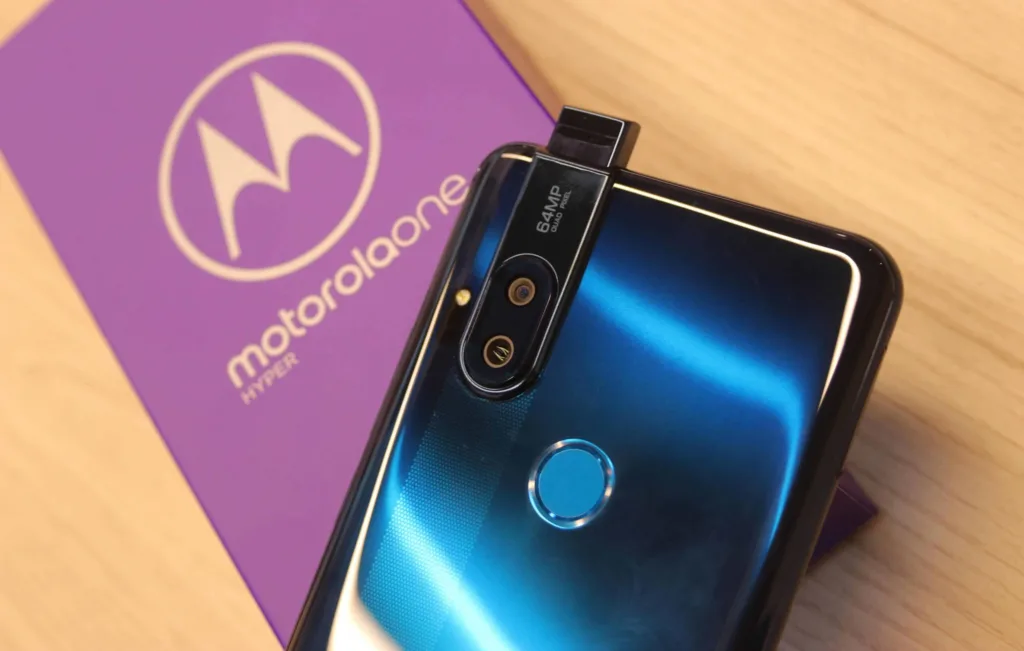
Motorola made two entries into the pop-out camera space, both under their One series lineup.
Models:
- Motorola One Hyper
- Motorola One Fusion+
Asus
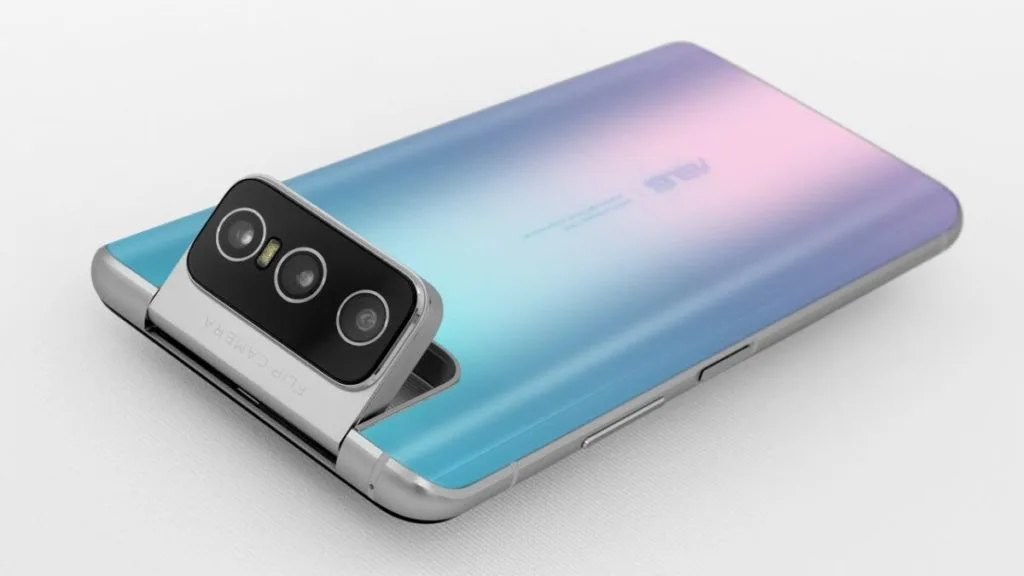
Asus took a different mechanical approach with a flip camera and not a straight vertical pop-up. The camera module on their Zenfone 6, 7, and 8 Flip physically flipped from the rear to face forward, meaning the same lens handled both front and rear shots.
Models:
- Zenfone 6 (flip camera)
- Zenfone 7 / 7 Pro (flip camera)
- Zenfone 8 Flip (flip camera)
Lenovo
Lenovo used the pop-out design in a way that was specific to gaming. Their Legion phones featured a side-mounted pop-up camera positioned for landscape use, which made more sense for gamers who hold their phone horizontally during video calls and streams.
Models:
- Legion Duel / Legion Pro (side-mounted pop-up for landscape gaming)
- Legion Duel 2 / Legion 2 Pro
- Z5 Pro / Z5 Pro GT (slider design)
Other Brands
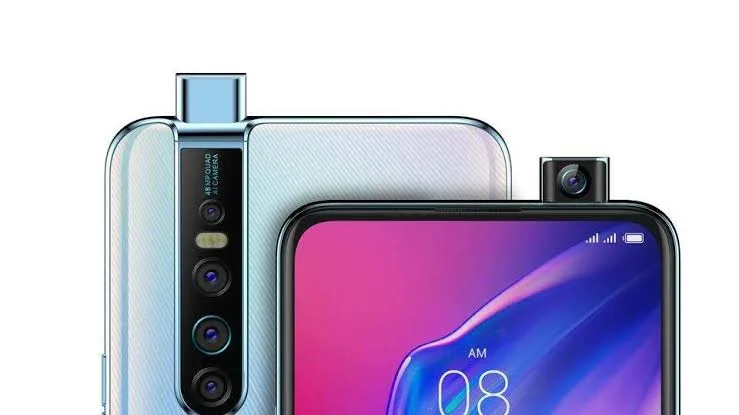
A handful of other manufacturers also shipped pop-out camera phones, including some names familiar to the African market.
- Realme: Realme X
- Infinix: S5 Pro
- Tecno: Camon 15 Pro / Camon 15 Premier
- Elephone: Elephone PX
- Allview: Soul X6 Xtreme
Why Did Pop-Out Camera Phones Die Out?
The design had clear appeal, so what ended it? Three problems made it difficult for manufacturers to continue.
Space
The motor and its housing took up a meaningful amount of room inside the phone body. Manufacturers had to choose between keeping the pop-out mechanism or using that space for a larger battery or improved rear camera hardware. Most chose the latter.
Durability
Moving parts introduce mechanical risk. A motor can fail. Dust and debris can work their way into the housing over time. This also made it nearly impossible to build these phones with a high IP rating for water and dust resistance, something consumers increasingly expect from mid-range and premium devices.
Cost
Adding a motor, the housing around it, and the insulation needed to protect internal components added to the production cost. A hole-punch display achieves a similar result (minimal screen interruption) at a fraction of the price and with no moving parts to worry about.
A Design Worth Remembering
Pop-out camera phones occupied a short but interesting chapter in smartphone design. The brands that built them were clearly trying to solve a problem: how do you deliver a full, clean display without sacrificing the front camera? The solutions they came up with were creative, and in some cases, like the OPPO Find X and the Samsung A80, truly inventive.
The hole-punch display eventually won out because it was simpler, cheaper and more reliable. But the list above is a reminder that the industry did not arrive at that answer without first trying something far more ambitious.