
Contactless payments have moved from a novelty to a standard part of how people transact around the world. Global adoption has accelerated significantly over the past few years, and Africa is no exception. From tap-to-pay cards in Nigerian bank branches to QR code transfers in Kenyan markets, the technology is reshaping how money moves at the point of sale. For many users, though, the mechanics behind a simple tap remain unclear, and questions about safety are common. This post covers all of it, from the technology underneath to the risks worth knowing about.
What Are Contactless Payments?
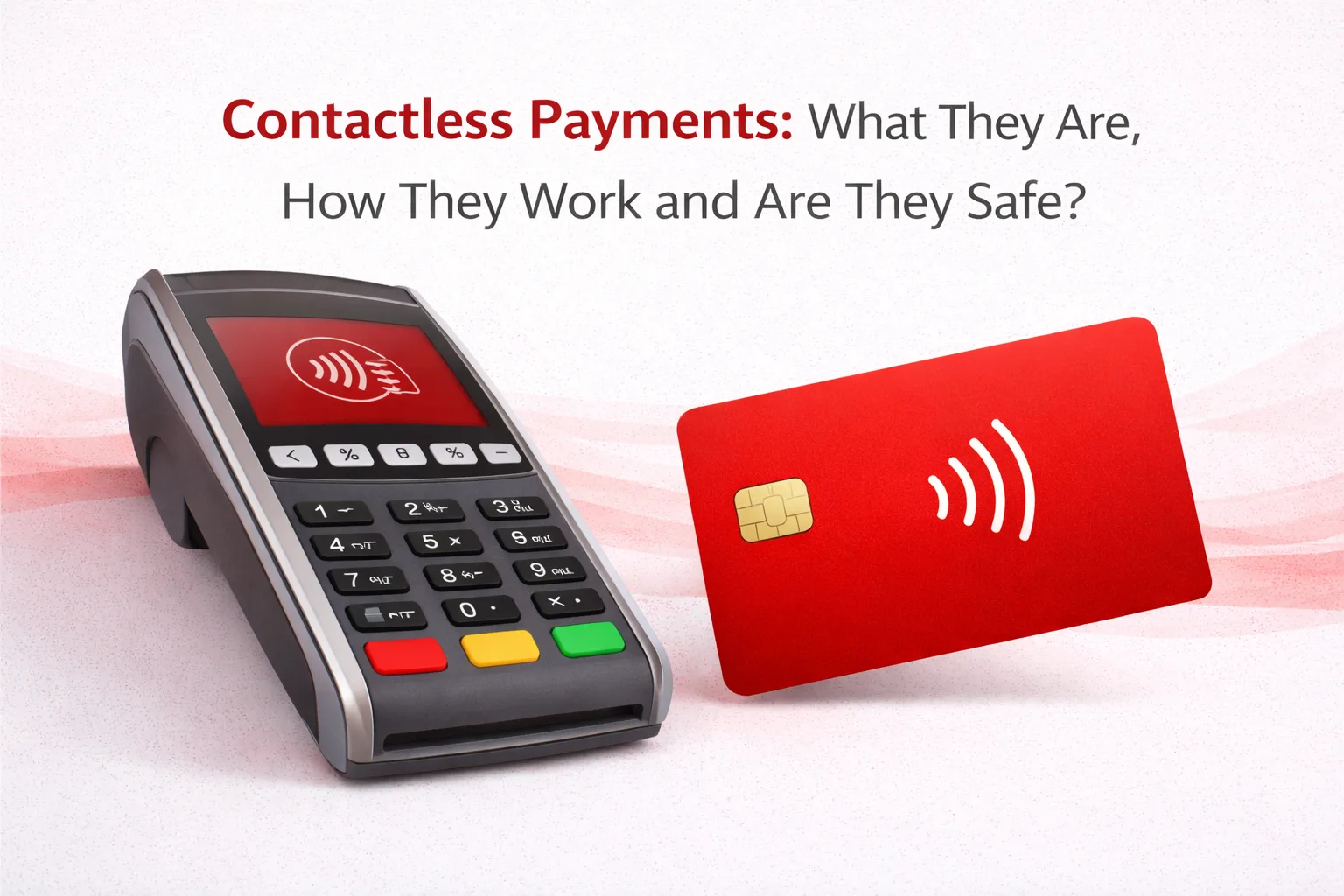
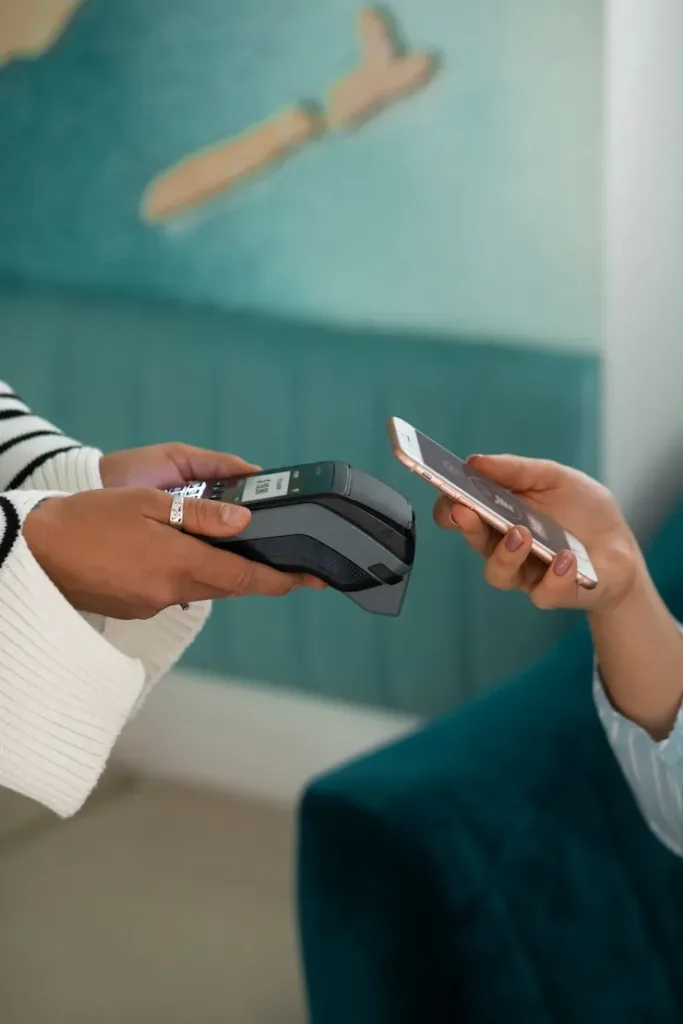
A contactless payment is any transaction that does not need physical contact between a payment device and a point-of-sale terminal. The payment device can be a card, a smartphone, or a wearable like a smartwatch. The terminal reads the device wirelessly and processes the payment in seconds.
Two technologies power the majority of contactless payments in use today.
The first is NFC, which stands for Near-Field Communication. NFC uses short-range wireless signals operating at 13.56 MHz to create a connection between a card or phone and a card reader. For the connection to work, the device must be held within 4 centimeters of the terminal. Beyond that distance, no signal is exchanged.
The second is QR codes. A QR code payment works differently. Instead of a wireless chip, the user scans a matrix barcode displayed by the merchant using a smartphone camera. The scan triggers a mobile money or bank transfer directly. No NFC chip is needed, which makes QR codes accessible on budget smartphones that do not carry NFC hardware.
How the Technology Actually Works
Understanding what happens in the background makes it easier to assess how safe the system is.
Tokenization
When you tap a card or phone to pay, your actual 16-digit card number is never transmitted. Instead, the system sends a token, which is a randomly generated string of numbers tied to that specific transaction. If a hacker intercepts the token, it has no value for any other transaction. It cannot be reused.
Cryptograms
Every single tap generates a unique, one-time security code called a cryptogram. This code is produced specifically for that transaction and cannot be replicated or reused for a second payment. Even if the same card taps the same terminal twice, two entirely different cryptograms are generated.
Inductive Coupling
For NFC cards that have no battery, the terminal solves the power problem through inductive coupling. The terminal creates a magnetic field that powers the tiny chip inside the card for the split second needed to send transaction data. The card does not need to be charged or switched on.
Dynamic QR Codes
Printed QR code stickers carry a fixed destination. Dynamic QR codes, generated on a merchant’s screen, change for every customer and embed the exact transaction amount and merchant ID into each code. This removes the risk of a customer paying the wrong amount or sending money to the wrong recipient.
Are Contactless Payments Safe and Secure?
Contactless payments carry several security benefits over older payment methods.
Clone-proof chips: Magnetic stripes store static data that can be copied using a skimming device. Contactless chips use encrypted, shifting data that changes with every transaction, making cloning significantly harder.
Biometric protection on mobile wallets: Apple Pay, Google Pay, and Samsung Pay add a layer of security that physical cards do not have. Even if a phone is stolen, a payment cannot go through without the owner’s fingerprint or Face ID confirmation.
Single-card communication: A terminal can only communicate with one card at a time, and the card must be within 4 centimeters to activate. This design prevents accidental double payments in situations where multiple cards are in the same bag or wallet.
Digital pickpocketing: A widely circulated concern involves criminals using long-range scanners to steal card data remotely. In practice, this is not a realistic threat. The encrypted data generated during a contactless transaction cannot be captured at a distance and reassembled into a usable payment credential.
Where Tap-to-Pay Can Still Go Wrong
No payment system is without risk, and contactless payments have two specific vulnerabilities users should be aware of.
Card theft
If a physical contactless card is lost or stolen, a thief can make small purchases below the PIN threshold without any authentication. The most effective response is to freeze the card immediately through your banking app as soon as you notice it is missing.
QR phishing
Malicious actors have been known to place fake QR code stickers over a legitimate merchant’s displayed code. Scanning the fake code sends money to a different account entirely. Before confirming any QR payment, verify that the merchant name displayed on your screen matches the business you are paying.
What Contactless Payments Look Like Across Africa
Africa has a distinct set of conditions that have shaped how contactless payments work on the continent.
Offline NFC
Internet connectivity at the point of sale is not always reliable across African markets. Some fintechs have developed offline NFC solutions that allow small payments to process even when the merchant has no active internet connection. The transaction data syncs to the network once connectivity returns.
Transaction limits
In many African markets, tap-to-pay carries an upper limit that triggers a PIN request for larger amounts. This limit reduces the financial exposure if a contactless card is lost or stolen before the account is frozen.
QR codes as the universal method
NFC hardware is common in South Africa and Nigeria, but it is not standard across all smartphone price points on the continent. QR codes have become the more universal contactless method across Africa precisely because they work on any smartphone with a camera, regardless of NFC chip availability.
Contactless payments are more secure than most users assume, and the technology behind each transaction is more sophisticated than a simple tap suggests. The risks involved, card theft and QR phishing, are manageable with basic awareness and the right habits. For anyone still hesitant about tapping to pay, the mechanics and the safeguards described above are worth understanding before making a decision.