
BNPL platforms in Zimbabwe operate under the strict oversight of the Reserve Bank of Zimbabwe, and only a small number of registered, active services actually qualify as true buy now pay later products. Unlike some markets where BNPL is dominated by a single fintech app, Zimbabwe’s credit market splits across mobile money, structured microfinance and workplace linked credit. This guide covers the verified platforms operating in the country and how each one works.
Quick Links
Mobile Money and BNPL in Zimbabwe
Zimbabwe’s digital lending market grew up around mobile money, and that history still shapes how credit gets delivered today. EcoCash, the country’s dominant mobile wallet, has millions of active users, which gives lenders built on top of it instant access to a huge base of already verified customers. This is part of why the country’s fastest and most accessible credit products run through mobile wallets and USSD codes instead of standalone apps, and it explains why the platforms below look different from BNPL products you might find elsewhere.
1. EcoCash KaShagi
KaShagi is an instant micro loan service delivered through a direct partnership between EcoCash and Steward Bank. It operates entirely inside the EcoCash mobile money wallet, so there is no separate app to download. Users dial the official USSD code *151# or *236# to access small emergency loans that land directly in their mobile wallet.
KaShagi works best for short term, small value needs instead of large purchases. It is closer to an emergency cash advance than a retail checkout product, but it remains one of the fastest and most widely used forms of instant credit in the country, and its speed is a big part of its appeal for anyone who needs money the same day.
2. eShandi
PremierCredit Zimbabwe officially rebranded and now operates as eShandi Financial Services, a registered non deposit taking microfinance institution licensed by the Reserve Bank of Zimbabwe. It offers formal buy now pay later loans alongside Salary Service Bureau loans built specifically for government workers. Through the BNPL product, eShandi funds a consumer purchase upfront, letting the customer walk away with the item immediately, while the balance gets settled through a structured installment plan over time.
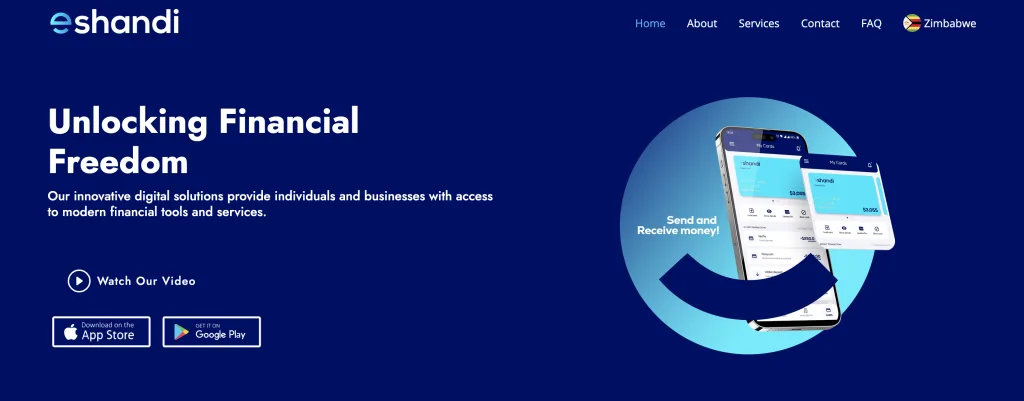
Government employees get an added benefit here, since eShandi’s Salary Service Bureau loans allow repayments to be deducted automatically through the government payroll system, giving civil servants a straightforward, low friction way to access both personal loans and BNPL financing. This dual structure, covering both formal salaried workers and general consumers, makes eShandi one of the more established and regulated names in the space.
3. Ndasenda Pay
Ndasenda Pay takes a different approach, building its BNPL system directly around workplace credit integration. It allows salaried employees to select products across a network of partner retail stores, and the platform covers the full purchase price upfront on the customer’s behalf. From there, the employee repays the balance through automated monthly payroll deductions spread across three to twelve months.
This model works well for employees with a stable, verifiable salary, since the lender’s risk drops significantly when repayment is tied directly to payroll instead of left to the customer’s own initiative. For shoppers, it means access to larger purchases, like appliances or electronics, without needing savings upfront or a lump sum in hand.
Which One Should You Use?
Each of these platforms solves a slightly different problem. KaShagi is built for speed and small emergency amounts, delivered in under a minute through a phone most Zimbabweans already use daily. eShandi combines broader retail BNPL with structured lending for both private and government employees, backed by formal Reserve Bank of Zimbabwe registration. Ndasenda Pay narrows in on workplace linked purchases, letting salaried employees buy now and repay steadily through payroll over close to a year.
None of these three directly compete for the exact same customer. Someone needing quick emergency cash will reach for KaShagi, someone financing a planned purchase through a registered lender will look at eShandi, and someone buying a specific product through their employer’s retail network will use Ndasenda Pay.
What to Check Before You Register
Because Zimbabwe’s credit market moves quickly and new apps appear often, confirm that any platform you use is registered with the Reserve Bank of Zimbabwe before sharing personal or banking information. Legitimate lenders in this space are open about their registration status, their fees, and their repayment terms upfront, and that goes for a USSD menu, an in app disclosure, or a formal loan agreement. If a platform pressures you to pay a fee before releasing funds, or will not confirm its regulatory status, treat that as a clear warning sign and look elsewhere.
Zimbabwe’s BNPL space is smaller and more specialized than markets built around a single dominant app, but the platforms covered here serve a distinct need under active Reserve Bank of Zimbabwe oversight. For instant emergency cash, structured retail financing, or a payroll linked way to buy now and pay later, one of these three is built for that exact situation.