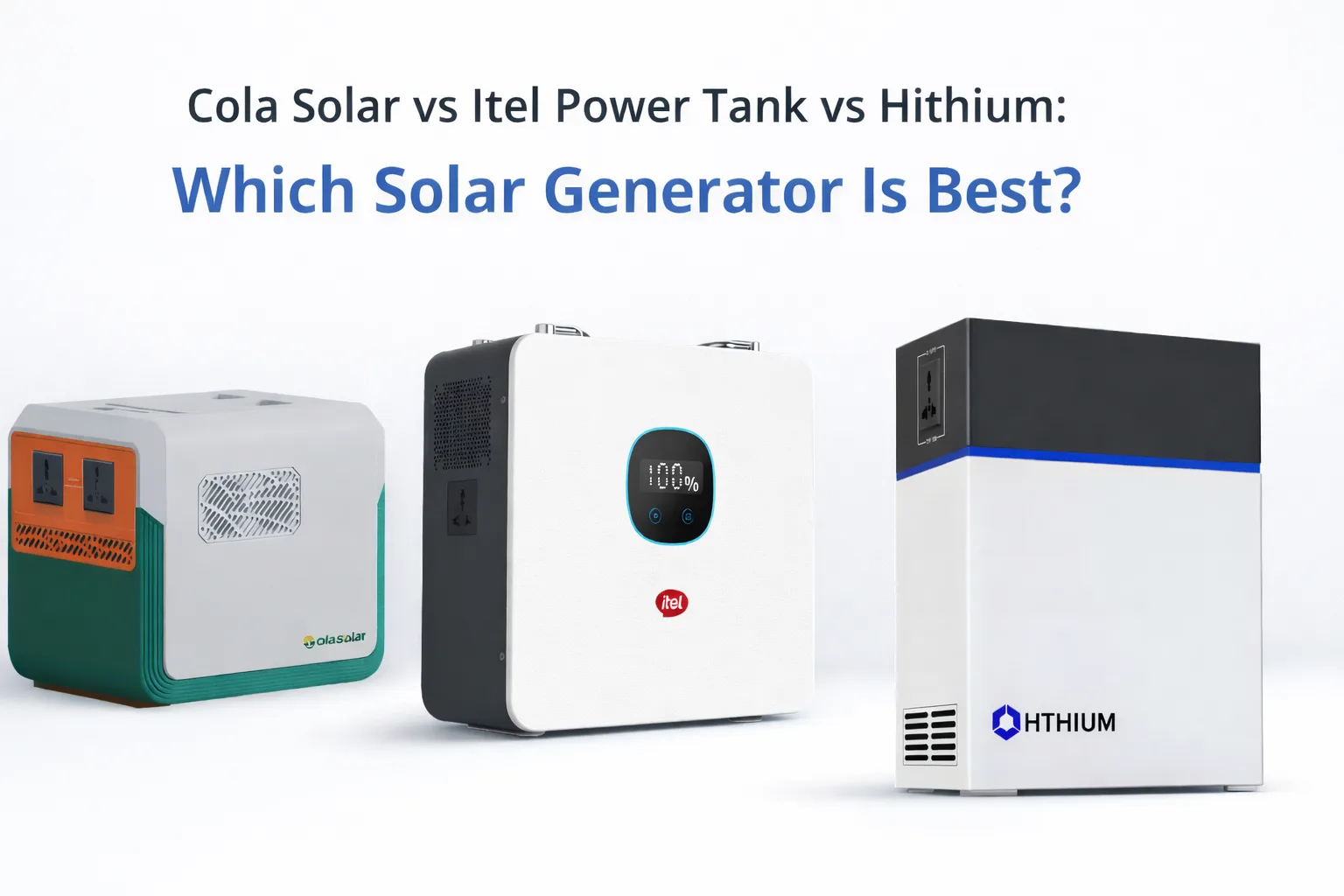

When electricity cuts off mid-task and fuel prices keep climbing, staying powered becomes a daily struggle. It’s no surprise more people are turning to solar generators as a cleaner and more reliable backup. But once you start comparing options like Hithium 1kWh solar generator, itel Power Tank, and Cola solar 1000, the confusion begins. They all promise long backup hours, fast charging, and convenience, but users quickly learn that the results are different.
One costs ₦270,000, another ₦300,000, and prices keep changing depending on where you look. Specifications sound impressive until you realize you don’t know what half of them mean. What’s a LiFePO4 battery? Does 1kWh actually power your fridge? Will it charge fast enough during those short windows when power comes back?
You need straight answers based on how these generators perform in actual Nigerian homes. You need to know which one handles your specific situation: the student who needs laptop power for online classes, the remote worker doing Zoom calls all day, or the family trying to keep food from spoiling in the fridge. Let’s compare these three popular options so you can make a smart purchase.
itel Power Tank (1kWh): Complete Technical Review
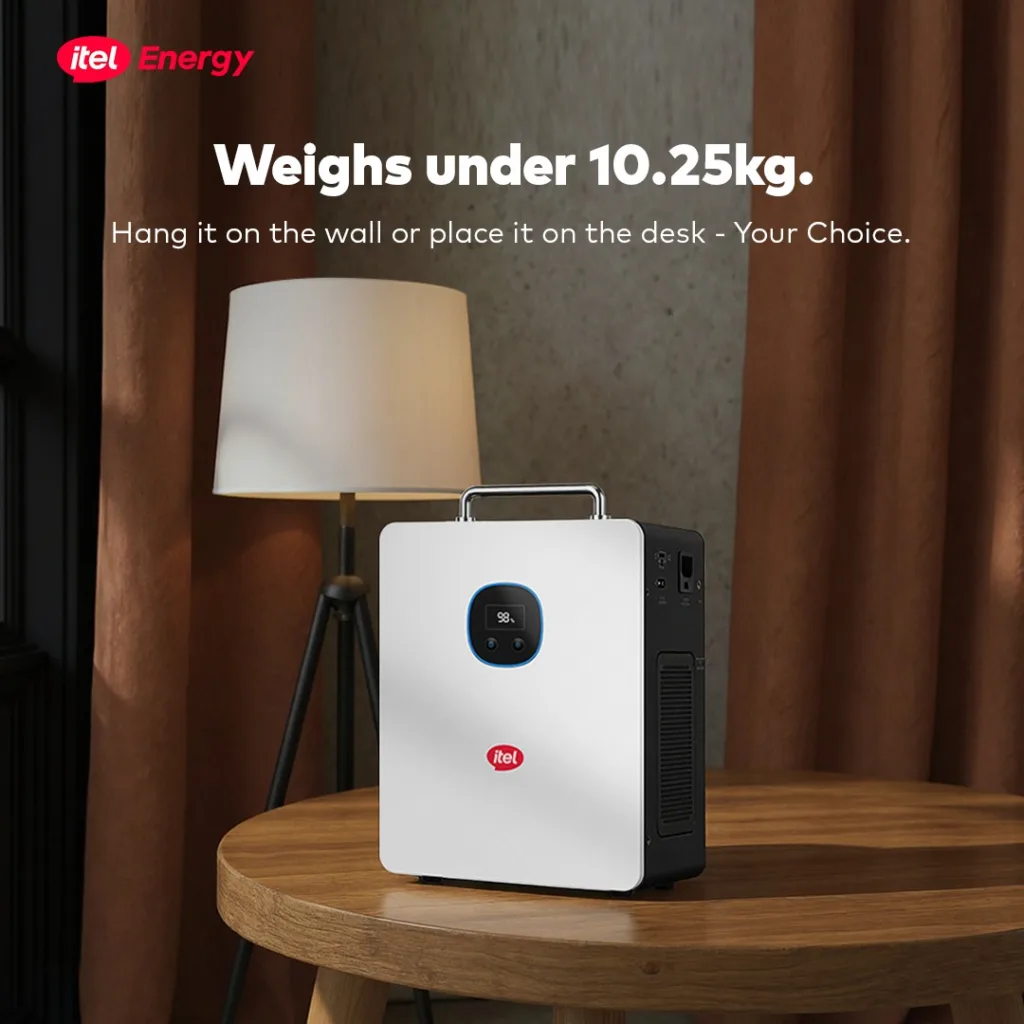
The itel Power Tank, model IESS-05K10N (also known as IESS-05K10P), is a compact solar generator built specifically for Nigerian homes and small businesses dealing with unstable power supply. It’s designed as an all-in-one backup solution that doesn’t require complicated setup or technical knowledge to operate.
Core Technical Specifications
- Battery Capacity: 1000Wh (1kWh) This gives you 1 kilowatt-hour of stored electricity.
- Battery Type: Lithium Iron Phosphate (LiFePO4) – LiFePO4 batteries are more stable and safer than standard lithium-ion batteries. They handle heat better, which is important in Nigerian climate conditions, and they don’t lose capacity as quickly over time.
- Cycle Life: 6,000+ Charge Cycles A cycle means one full charge and discharge. With 6,000 cycles, if you fully charge and drain the battery once daily, it will last approximately 10 years before the capacity drops significantly. Even with twice-daily cycling, you’re looking at 8+ years of reliable use.
- Inverter Output: 500W Continuous / 1000W Surge (Pure Sine Wave) The continuous 500W output means you can safely run devices totaling 500 watts at the same time. The 1000W surge capacity handles brief power spikes when appliances like fridges or fans start up. Pure sine wave output produces clean electricity that’s safe for sensitive electronics like laptops, TVs, and modern appliances.
- Switching Time: <20ms (UPS-grade) When power cuts off, the Power Tank switches to battery power in under 20 milliseconds.
- Output Voltage: 220V–230V AC at 50/60Hz – Your appliances receive the same quality power they would from the grid, just more reliable.
Charging & Solar Input
- Dual Charging: Grid (AC) and Solar (PV) Simultaneously – You can charge from both the grid and solar panels at the same time.
- Charging Time: Approximately 2 Hours (0% to 100%) When using dual charging (grid plus solar), the battery reaches full charge in roughly 2 hours. Even charging from the grid alone is reasonably fast at 3-4 hours.
- Maximum Solar Input: 400W You can connect solar panels up to 400 watts total.
- MPPT Range: 11V – 60V DC MPPT (Maximum Power Point Tracking) optimizes solar charging efficiency.
- AC Input Voltage: 90V – 280V Even when grid voltage fluctuates wildly, which damages many appliances, the Power Tank continues charging safely without internal damage.
Physical & Environmental Specifications
- Weight: Approximately 10 kg At 10 kilograms, one person can move it comfortably. It’s portable enough to relocate between rooms.
- Dimensions: 40 × 25 × 30 cm The compact size fits under desks, in corners, or on shelves without taking up much space.
- Noise Level: <45 dB This is quieter than normal conversation. Most of the time, you won’t even notice it’s on.
- Operating Temperature: -10°C to +55°C It functions reliably in extreme temperatures.
- Material: Powder-Coated Steel Casing The durable steel construction with powder coating resists scratches, minor impacts, and environmental wear.
Estimated Runtime (Sample Loads)
- Work Combo (Laptop + Fan + Bulb): ~115W → ~8.7 Hours This is the typical remote work setup. A laptop drawing 50-65W, a standing fan at 40-50W, and an LED bulb at 10-15W.
- 32″ LED TV: 40W→20+ Hours
- Standing Fan: 50W→16 Hours
- Inverter Deep Freezer: 145W →7 Hours – An inverter freezer cycles on and off to maintain temperature, so actual runtime extends beyond 7 hours in practice. However, running the freezer continuously drains the battery faster than intermittent appliances.
Important Runtime Notes: These estimates assume the devices are running alone or in the combinations shown. Powering multiple high-wattage devices simultaneously reduces runtime proportionally. Also remember the 500W continuous limit, you can’t exceed this total even if the battery has charge remaining.
Official Warranty
The current units sold come with a 2-year manufacturer warranty from Itel. This covers manufacturing defects and component failures under normal use. The warranty is backed by Itel’s local presence in Nigeria, which means you can actually access customer service and warranty claims without shipping devices internationally. Keep your receipt and purchase documentation to claim warranty service if needed.
Related Article: itel Power Go Pro Price, Specs, and Full Features
Hithium 1kWh (HeroEE 1): Complete Technical Review
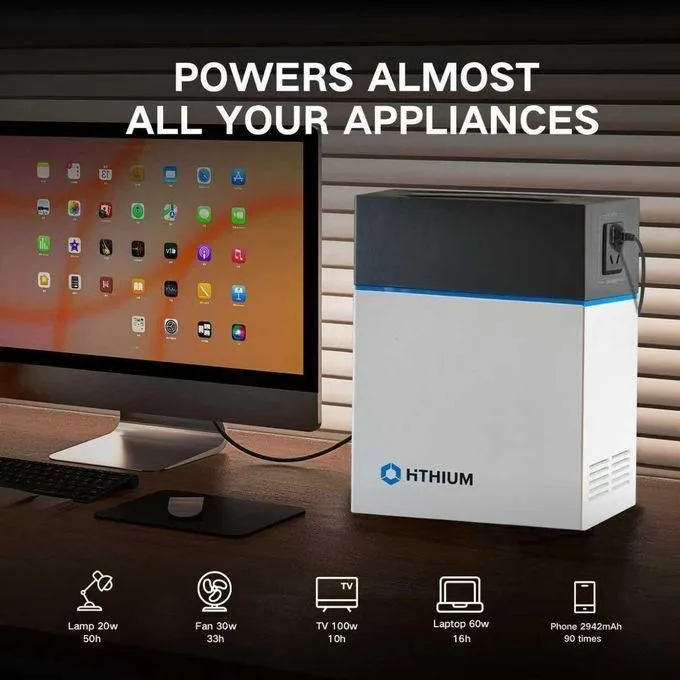
The Hithium HeroEE 1 is a compact 1kWh solar generator built for longevity. Its standout feature is an industry-leading 10,000+ cycle life, promising up to 15 years of daily use.
Core Technical Specifications
- Model Name: HeroEE 1 (1kWh Power Station)
- Battery Capacity: 1004.8Wh (approx. 1kWh)
- Battery Type: Lithium Iron Phosphate (LiFePO4) LiFePO4 chemistry provides superior thermal stability and extended lifespan compared to standard lithium-ion batteries.
- Rated Output Power: 200W Continuous – This is the limitation. You can only draw 200W maximum at any time, restricting use to low-power devices.
- Inverter Type: Pure Sine Wave – Safe for sensitive electronics like laptops, routers, and LED TVs.
- Cycle Life: 10,000 to 11,000+ Charge Cycles – This translates to 15+ years of daily use, far exceeding competitors offering 2,000-6,000 cycles.
- AC Output Voltage: 220V–240V AC at 50Hz
Charging & Solar Input
- AC Input (Grid): 200W (Full charge in ~5 hours)
- Solar (PV) Input: 12V–36V panels; max 200W
- Dual Charging: Supports Solar + Grid simultaneously
- UPS Functionality: <20ms switching time – Protects computers and routers from power interruptions.
Physical & Portability
- Weight: 8.2 kg to 10 kg – Extremely portable for easy relocation.
- Dimensions: 210 × 130 × 285 mm
- Cooling: Passive/Quiet operation
- Interface: 4-LED battery level indicator
Estimated Runtime
- LED TV (32″): 40W → 20–25 Hours
- Laptop: 60W → 14–16 Hours
- Standing Fan: 50W → 18–20 Hours
- WiFi Router: 10W → 80+ Hours
Usage Warning
The 200W output limit means you cannot power refrigerators, kettles, irons, or any high-surge appliances. This unit is strictly for laptops, fans, bulbs, routers, and low-power devices.
Related Article: Lutian 1000W Solar Generator: Features, Battery Life, and Best Uses
Cola Solar (1kWh): Complete Technical Review
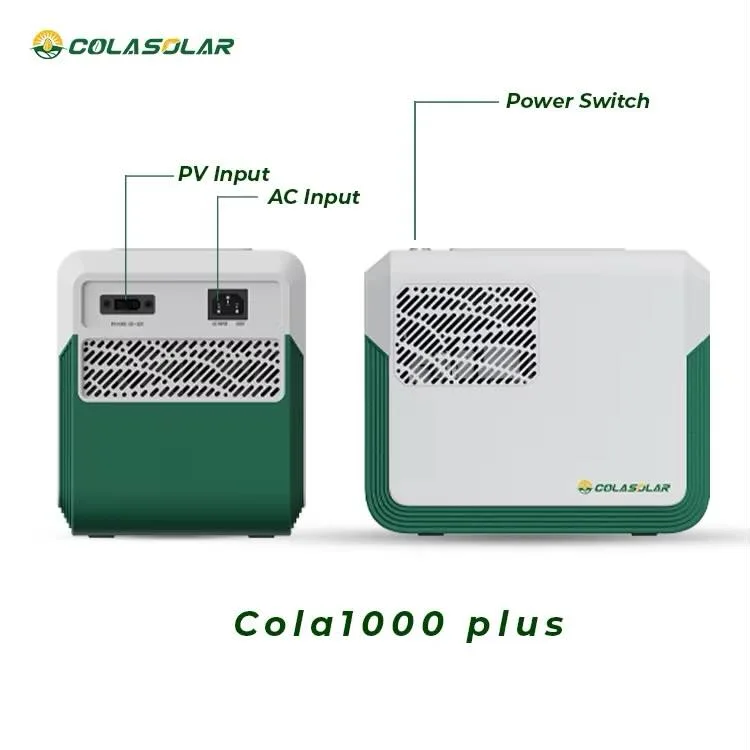
The Cola Solar 1kWh, marketed as the Cola 1000 or Cola 1000 Pro, is a compact solar generator popular in Nigerian homes for basic backup power needs.
Core Technical Specifications
- Model: Cola 1000 / Cola 1000 Pro
- Battery Capacity: 1000Wh (1kWh) / 314Ah
- Battery Type: Lithium Iron Phosphate (LiFePO4) Provides stable performance in hot climates and better longevity than standard lithium-ion.
- Rated Power Output: 200W Continuous (Pure Sine Wave) – The 200W limit restricts usage to low-power devices only.
- Peak Power Output: Up to 300W – Handles brief power surges when devices start up.
- Cycle Life: 1,500+ to 10,000 cycles – Standard models offer 1,500+ cycles (3-5 years daily use), while Pro models claim 8,000-10,000 cycles (10+ years).
- AC Output: 220V–240V AC at 50Hz
Charging & Inputs
- AC Grid Charging: 176V–264V AC input at 200W Handles unstable grid voltages without damage.
- Solar (PV) Input: 12V–36V DC (Pro models up to 52V); Max 200W–250W
- Charging Time: 5–8 hours for full charge – Depends on whether you’re using grid or solar input.
- EPS Function: Automatic switch-over within 15ms; Protects sensitive electronics during power cuts with bypass mode.
Physical & Design
- Weight: 8.2kg to 8.7kg – Lightweight and portable for easy movement.
- Dimensions: 280 × 200 × 230 mm – Compact design fits in small spaces.
- Interface: 4-LED battery level indicator and universal AC outlet
Performance Estimates
- LED Bulb (20W) → 45–50 Hours
- Standing Fan (30W) → 30–32 Hours
- LED TV (32″): 40W–100W → 9–20 Hours
- Laptop (60W) → 15–30 Hours
- WiFi Router (10W) → 80+ Hours
Usage Limitation
The 200W rated output is significantly lower than competitors like the Itel Power Tank (500W). You cannot power refrigerators, irons, kettles, or high-wattage appliances. This unit strictly handles low-power electronics: fans, TVs, laptops, and routers.
Related Article: itel Power Go vs. Power Tank: Which Portable Power Station is Right for You?
Cola Solar vs Itel Power Tank vs Hithium: Which 1kWh Solar Generator Should You Actually Buy?
If you’re comparing these three 1kWh generators, the itel Power Tank is the clear winner for most Nigerian users. Yes, itel power tank costs between ₦304,000-₦320,000 compared to Cola solar’s 1kWh ₦250,000-290,000 or Hithium’s 1kWh ₦270,000, but that extra money buys you something crucial: a 500W inverter instead of the 200W limit on Cola and Hithium. This means itel can actually power your work setup properly. You can run a laptop, fan, router, and lights simultaneously without worrying about overloading.
Cola and Hithium’s 200W limit is painfully restrictive. You can’t even charge a laptop and run a fan at the same time without carefully calculating watts. The itel power tank also charges in just 2 hours with dual input, while both competitors take 5-8 hours. The only reason to choose Cola or Hithium over itel power tank is if you absolutely cannot afford the extra ₦30,000-50,000, or if you only need to power one small device at a time like a single laptop or fan. The itel Power Tank costs more because it does more.
The best solar generator isn’t the one with the most impressive specifications. It’s the one that matches your actual daily routine, fits your budget completely (including panels if needed), and comes from sellers you trust. Visit shops, ask to see the units powered on, check what’s included in the price, and verify warranty terms.