

Electric vehicles in Africa are no longer a distant prospect. The conversation has shifted from “if” to “where and how fast.” High purchase prices, patchy charging networks and unreliable grids still hold private car ownership back for most people. At the same time, commercial two-wheelers, buses and local manufacturing are advancing quickly in several markets. Progress remains uneven and often under-reported compared with Europe or Asia, but adoption is gaining ground, particularly in markets where government policies, renewable energy and commercial interests support the transition.
Africa’s pure-electric car sales rose from roughly 4,000 units in 2023 to about 25,000 in 2025. Growth remains concentrated, with Egypt, Morocco and South Africa accounting for nearly 70% of that volume. Chinese brands, led by BYD (which captured around 35% of the African EV market in 2025), dominate imports. Meanwhile, electric motorcycles and battery-swapping networks are scaling fastest in East and West Africa because daily high-mileage use makes the operating-cost savings immediate.
Here is a clearer picture of the countries and segments currently leading.
Table of Contents
Ethiopia: Policy Shock and Rapid Fleet Shift
Ethiopia took the boldest step. In January 2024, it banned imports of petrol and diesel vehicles and sharply cut tariffs on electric ones (15% on fully built units, lower or zero on kits for local assembly).The driver was fiscal more than environmental, as the country was spending billions on fuel imports it struggled to pay for.
The effect has been dramatic. Electric vehicles rose from under 1% of the fleet to roughly 6% within two years, above the global average. Government figures put the number of EVs on the road above 100,000 by 2025–2026, with Chinese models filling showrooms.
Ethiopia still faces several challenges, including inadequate charging facilities outside major cities, high vehicle purchase costs compared with average incomes, and an unreliable electricity supply in some areas. Still, Ethiopia has leapfrogged many richer markets in fleet penetration through decisive policy.
Morocco: Manufacturing and Battery Ambitions
Morocco is building the industrial base instead of just importing finished vehicles. It already hosts a mature automotive sector with established trade links to Europe and is attracting EV and battery investment. The standout project is the Gotion Power Morocco plant. In July 2026, the African Development Bank approved a €100 million loan (with additional mobilisation planned) for the first phase, targeting 10 GWh of lithium-iron-phosphate battery cells and packs annually, with long-term expansion toward 100 GWh. The facility is positioned as Africa’s first integrated battery gigafactory and is expected to create hundreds of direct jobs while raising local content.
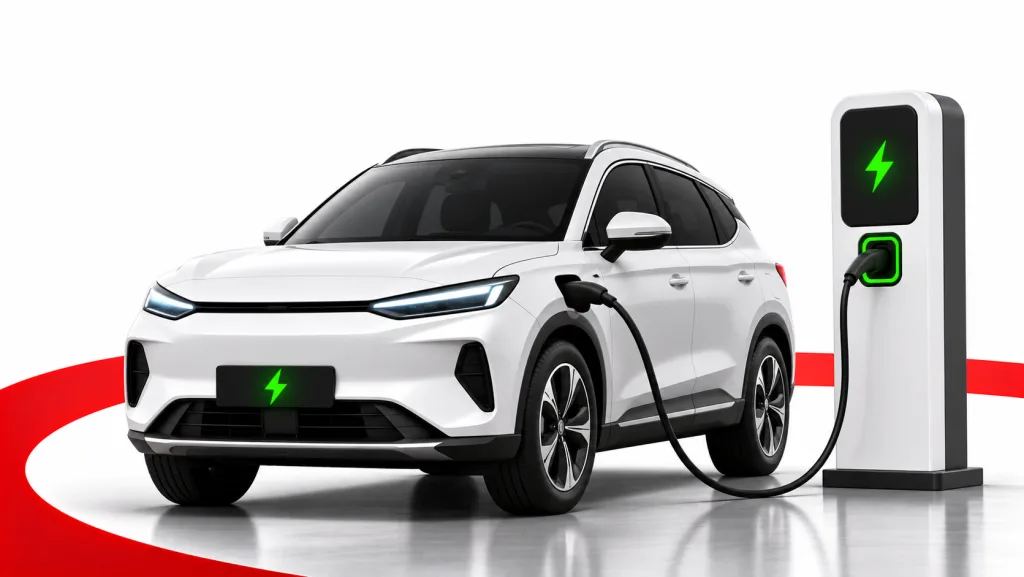
Morocco ranked second in pure EV sales in 2025 (around 5,500 units) and hosts Tesla’s market entry alongside Chinese brands. Its manufacturing capacity, renewable energy potential and proximity to Europe give Morocco an advantage in the global EV supply chain.
Egypt: Volume Leader in Passenger EVs
Egypt recorded the highest EV sales in Africa in 2025, approximately 7,900 units, making it the clear volume leader. Favourable import treatment, including duty exemptions that are only now starting to tighten, growing charging infrastructure and commercial fleet uptake have driven the numbers. Chinese brands again feature heavily. Egypt also leads in electric buses in some tallies. Continued policy support and price competition will determine its position in the market going forward.
South Africa: Established Industry, Growing Consumer Market
South Africa has the continent’s most developed automotive manufacturing base and the most mature charging network in many rankings. Fully electric sales remain modest (around 3,800 units in 2025, still under 1% of the new-vehicle market), though the broader new-energy vehicle category, including hybrids and plug-ins, is growing faster. High prices and import duties have historically limited sales, but more affordable Chinese models are beginning to change the market.
In March 2026, a 150% investment allowance for production equipment and machinery used for electric and hydrogen vehicles took effect, running until 2036. Combined with other industrial incentives, the policy is designed to retain existing EV manufacturers and attract new investments in the sector. South Africa is consequently better positioned in production capability and infrastructure readiness than in pure passenger-EV adoption rates.
Kenya and Rwanda: Electric Motorcycles and Battery Swapping
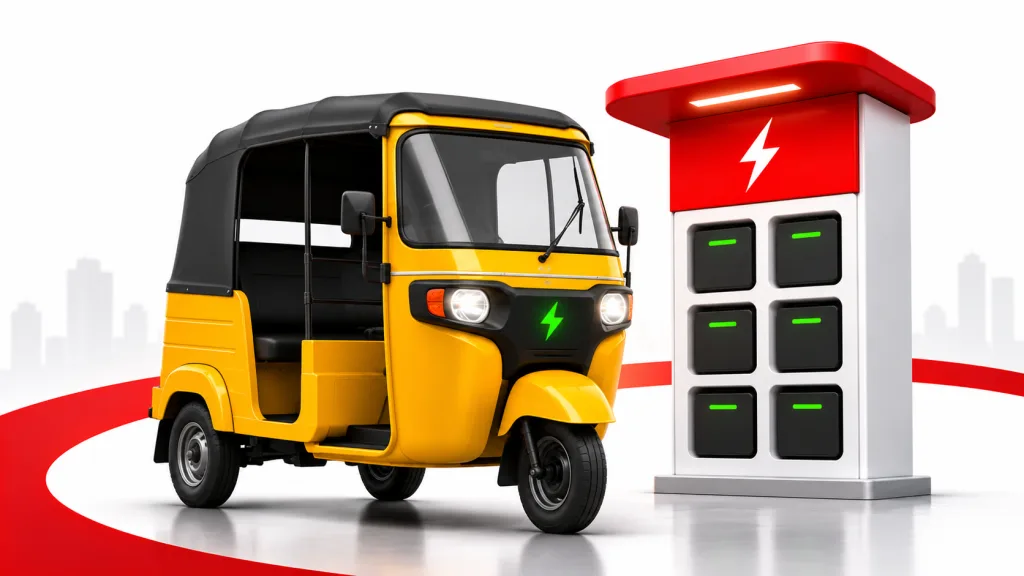
East Africa’s story is dominated by two- and three-wheelers. Commercial motorcycle taxis (boda bodas) rack up high daily mileage, so fuel savings translate directly into higher rider incomes.
Kenya is one of the most active markets. Companies such as Roam, ARC Ride, Spiro, Ampersand and others are deploying electric motorcycles and dense battery-swapping networks. Riders exchange depleted batteries for fully charged ones at battery-swapping stations, which are expanding beyond Nairobi. Financing partnerships and local assembly are making electric motorcycles more accessible. Kenya’s electricity supply, largely supported by geothermal, hydro and wind power, also helps drive the transition.
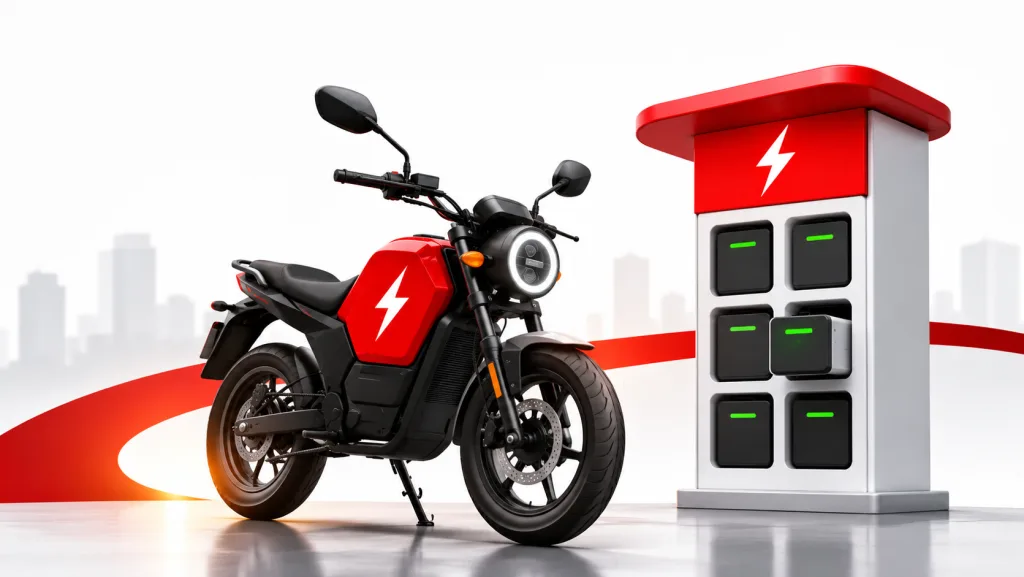
Rwanda has paired infrastructure with regulation. Since January 2025, new petrol motorcycle taxis can no longer be registered in Kigali, while existing operators can continue. Battery-swapping stations, tax incentives and local assembly by companies such as Spiro are supporting the shift. Electric two-wheeler sales have surged, and the model is being watched closely by neighbouring markets.
West Africa: Growing Commercial Momentum
Nigeria, Ghana, Benin and Togo are seeing rising activity, driven largely by commercial operators facing high petrol costs. Spiro has built a significant presence across several of these markets with electric motorcycles and swap stations. Local assemblers and other startups are also active. In Nigeria, companies such as Innoson and JET Motor are involved in broader vehicle and mobility development. High purchase costs and limited battery-swapping facilities continue to pose challenges, although fuel savings make electric motorcycles an attractive option for commercial riders.
Shared Challenges and the Bigger Opportunity
Across the continent, several challenges continue to slow adoption. These include high vehicle purchase costs, limited access to consumer financing, inadequate charging and battery-swapping facilities, and unreliable electricity supply outside major cities. As a result, electric vehicles are likely to gain wider use in commercial transport and public services before private car ownership picks up.
At the same time, Africa holds a structural opportunity in the battery value chain. The Democratic Republic of Congo and Zambia have significant deposits of cobalt, copper and lithium. Moving from raw-material exports toward processing and eventually cell or pack manufacturing, as Morocco is beginning to do, could capture more of the economic value of the global energy transition.
Africa’s electric vehicle transition is still in its early stages, but the progress so far shows what is possible with the right policies, investment and infrastructure. Lower vehicle prices, accessible financing and reliable electricity will be essential to sustaining this growth. The opportunity goes beyond cleaner transport. It also creates room for local manufacturing, job creation and participation in the global battery industry. The pace of adoption will depend on how well these opportunities are turned into practical solutions for businesses and everyday commuters.