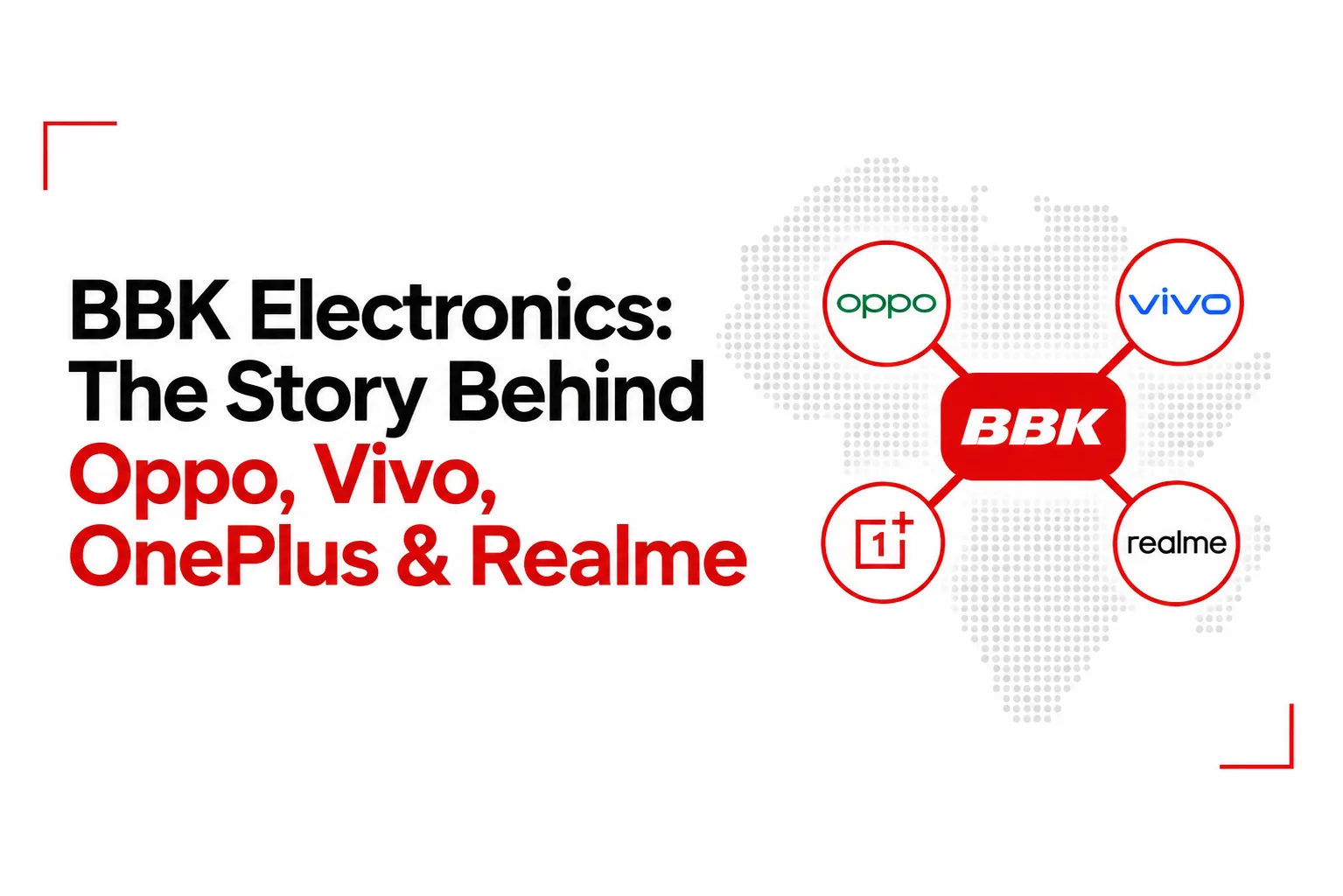

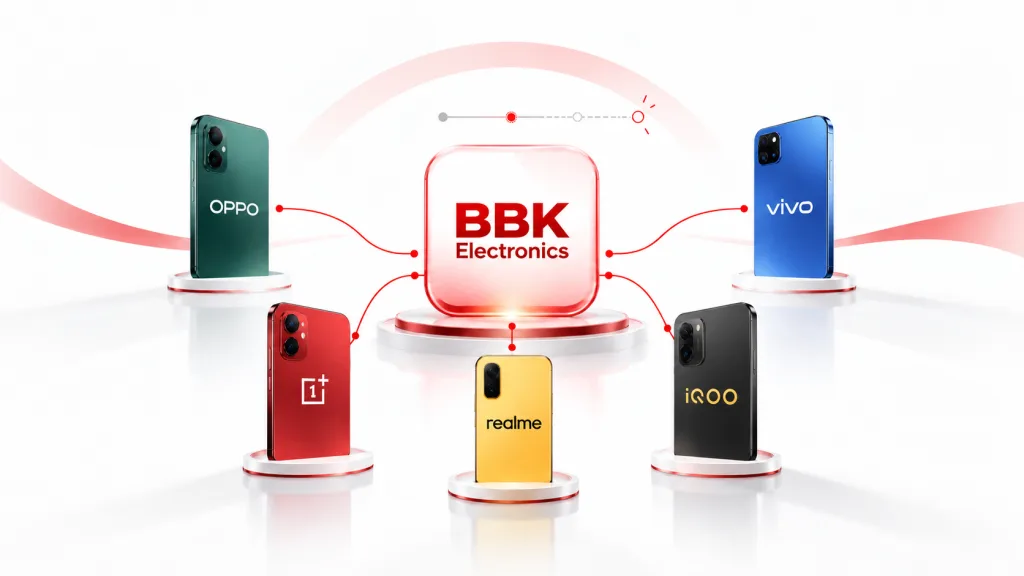
BBK Electronics is one of the most interesting stories in the smartphone industry because millions of people used its products without knowing the company behind them. OPPO, Vivo, OnePlus and Realme all became major mobile brands, with their histories connected to Duan Yongping and the businesses that grew out of BBK Electronics.
For years, BBK Electronics was closely associated with several smartphone brands that operated under their own names. The companies developed their own identities and competed for customers in the same markets. Most people knew the brands on the phones, not the company behind them.
BBK Electronics was deregistered on April 7, 2023, bringing the company to an end as a registered corporate entity. OPPO, Vivo, OnePlus and Realme continued operating under their own names. Since then, some of those relationships have changed. In January 2026, Realme announced plans to become an OPPO sub brand, while OnePlus had already been integrated into OPPO several years earlier.
To understand how all of this happened, it helps to go back to the company that started it.
How Duan Yongping Got Started
Duan Yongping became successful in China’s electronics industry before BBK Electronics was created. In 1989, he took over a struggling electronics factory in Zhongshan and turned it into the business behind the Subor brand, which became famous in China for educational computers and game consoles.
Duan left Subor in 1995 and later established BBK Electronics in Guangdong. The new company entered several parts of the consumer electronics market, selling products such as VCD players, DVD players, MP3 players, telephones and educational electronics.
BBK took a different approach as the company grew. Duan divided the business into separate areas and placed different managers in charge. Chen Mingyong led the audiovisual business, while Shen Wei took charge of communications. Each group had room to develop its own products and make its own business decisions. Several of the smartphone brands associated with BBK later grew out of these businesses and their management teams.
OPPO
OPPO emerged from the consumer electronics businesses associated with Duan Yongping and became a major mobile phone brand in the following years. Its early products included MP3 players and other consumer electronics before the company moved further into mobile phones.
OPPO entered the mobile phone market as feature phones were still widely used, then shifted its attention to smartphones as Android became more important. The company built a reputation for camera technology, design and fast charging, eventually becoming a major player in markets across Asia and beyond.
OPPO’s history also became closely connected to several other smartphone brands. OnePlus was created by former OPPO executive Pete Lau, while Realme was founded by former OPPO executive Sky Li. Their products were marketed under different names, but the connection to OPPO was never far away. OnePlus was integrated into OPPO’s operations in 2021, with the two companies combining research and development resources. In 2026, Realme announced that it would also become an OPPO sub brand.
Vivo
Vivo Mobile Communications was founded in 2010 and entered the smartphone market in 2011, developing into another major smartphone brand connected to the wider BBK history. The company became known for slim smartphones, audio features, selfie cameras and later high end photography. Vivo also built a separate brand for performance focused phones. iQOO was launched in 2019 and became known for devices designed for gaming and high performance users. Vivo continues to operate iQOO as part of its wider brand family.
This is an important part of the BBK story because Vivo did not simply become another OPPO brand. It developed as its own business, with its own management, products and software.
OnePlus
OnePlus arrived in 2013 with a simple idea: offer high end hardware at a lower price and sell the phones heavily through online channels. The company’s first phones gained attention among smartphone enthusiasts because they offered powerful processors, large amounts of storage and a clean Android experience at prices below many established flagship phones. OnePlus earned the “flagship killer” nickname as its phones offered high end hardware at much lower prices than leading flagship phones.
OnePlus operated under its own brand, while its relationship with OPPO evolved over time. Pete Lau had previously worked at OPPO, and the relationship between OnePlus and OPPO became much closer after the companies integrated their operations and combined R&D resources in 2021. OnePlus kept its own name and products, but the businesses were no longer operating as separately as they had in the company’s early years.
Realme
Realme came much later. Sky Li established the brand in 2018, initially focusing on affordable smartphones with high specifications and designs aimed at younger buyers. The company grew quickly, particularly in India, where it became a major smartphone brand. The brand became a major competitor to Xiaomi and other affordable smartphone makers. Realme built its reputation around features such as fast processors, large batteries, high refresh rate displays and capable cameras at relatively affordable prices.
Realme had its own brand identity, but its founders and early business operations had close ties to OPPO. Sky Li had previously worked at OPPO, and Realme’s early business operations were closely linked to the company. The relationship changed again in 2026. Realme announced that it would be integrated into OPPO as a sub brand, with the two companies combining resources and operations.
Related Article: Transsion Holdings: The Company Behind Africa’s Most Popular Phones
Why the Phones Could Feel So Different
One notable part of the BBK model was that the brands could maintain their own identities. A OnePlus phone could be marketed to someone who cared about speed and performance. OPPO could focus heavily on cameras, design and charging. Vivo could build its own following around photography, audio and hardware design, while iQOO went after gamers and performance focused buyers. Realme could compete on price and specifications. The brands could also share some technology and relationships with suppliers while keeping different names on the boxes.
Fast charging is a good example. OPPO’s VOOC technology became an important part of its phones, while related charging technology appeared across phones connected to the wider group. Research, components and manufacturing relationships could also overlap.
This did not mean every phone was simply a rebranded version of another. The companies developed their own products, software and marketing. The brands could draw on overlapping technology, suppliers and manufacturing relationships while maintaining their own identities.
What Happened to BBK Electronics in 2023?
BBK Electronics was deregistered on April 7, 2023, bringing the company to an end as a registered corporate entity. OPPO, Vivo, OnePlus and Realme continued operating after the deregistration, with their business relationships continuing to evolve over the following years. OnePlus was already closely integrated with OPPO. Vivo continued with iQOO as its performance focused brand. Realme continued as its own consumer brand for several years before announcing its integration into OPPO in 2026.
The exact reason for the deregistration was never clearly explained in a detailed public statement from BBK. BBK Electronics no longer exists as the single registered company associated with these smartphone brands.
Where the Brands Stand Now
The old BBK structure is easier to understand if you look at the companies as they stand today. OPPO remains a major smartphone company and has a close relationship with OnePlus. OnePlus continues to sell phones under its own name, but its connection with OPPO is much closer than it was during its early years.
Vivo continues to operate under its own brand, with iQOO serving as its performance focused smartphone brand. In 2026, Realme announced that it would become an OPPO sub brand as part of a closer integration between the two companies. The relationship between Realme and OPPO is now part of their current corporate arrangement, not simply a connection from their shared history.
So, if you buy an OPPO, OnePlus, Vivo, iQOO or Realme phone today, you are buying from brands with a much more connected history than their separate names might suggest. Their histories can be traced through Duan Yongping, BBK Electronics and the businesses and executives connected to the group over the years.
BBK Electronics started with consumer electronics long before smartphones became the centre of the mobile industry. Duan Yongping’s success with Subor gave him the experience to build another electronics business, and the companies that grew out of that business eventually became leading mobile brands. The name BBK Electronics may no longer appear behind the world’s biggest smartphone brands, but its influence is still visible in the companies that came out of its history.