

Nigeria’s solar import restriction debate has exposed a difficult question at the heart of the country’s energy transition: how can the government build a domestic solar manufacturing industry without making electricity more expensive for the people who need affordable alternatives to the national grid?
On October 9, 2026, the Federal Government ruled out an immediate ban on imported solar panels, signalling a change in its approach to local manufacturing. Minister of Innovation, Science and Technology Kingsley Tochukwu Udeh said Nigeria needs sufficient domestic production capacity before restricting imports. The government is also pursuing foreign investment and tighter quality controls for solar equipment sold in the country.
The decision follows months of concern from renewable energy businesses and industry advocates, who warned that restricting imports before local factories can meet demand could raise prices and slow solar adoption. For households dealing with unreliable grid electricity, businesses spending heavily on generators and public institutions that need dependable power, imported solar equipment remains an important part of the market.
The government still wants Nigeria to produce more of its own solar equipment. The change is in the order of its priorities: local production needs to grow before restrictions can be introduced without placing additional pressure on consumers. Nigeria still wants to grow its solar manufacturing industry, but the immediate priority is to expand local production before placing limits on imported panels.
Why the Government Pulled Back on the Solar Import Restriction
Three factors help explain the decision: limited domestic production, the cost of electricity access and the difficulty of building a competitive manufacturing industry while restricting its established suppliers.
1. Nigeria cannot yet replace imported supply at the scale required
Nigeria wants more solar panels manufactured locally, but domestic production must meet the needs of households, businesses and public institutions at affordable prices. The scale of the import market shows the size of the challenge. Data from Chinese customs cited by energy think tank Ember showed that China exported 2.4 gigawatts of solar panels to Nigeria in the 12 months to August 2026, valued at $269 million.
An import restriction introduced before Nigerian factories can fill the supply gap could leave distributors struggling to source products, installers facing higher procurement costs and consumers paying more for complete solar systems. Solar installations also depend on batteries, inverters, charge controllers, mounting equipment and other components. Increasing panel production alone will not remove dependence on imported equipment across the wider supply chain.
2. Higher solar costs could undermine energy access
Solar power has become an important alternative for Nigerians dealing with unreliable grid electricity and the expense of running petrol and diesel generators. For a household, a sudden price increase could delay a planned installation. For a small business, it could mean postponing investment in backup power. For a hospital, school or university, higher equipment costs could affect the size or timing of a solar project.
Renewable energy businesses raised these concerns during the debate over the proposed restriction. Their concern was that protecting domestic producers too early could make solar power less affordable for the people and businesses that need alternatives to grid electricity. Nigeria’s reliance on imported solar panels was already evident in 2023, when the country brought in more than four million panels worth over $200 million, as detailed in PwC Nigeria’s analysis of the proposed import policy.
The government must balance two objectives: reducing reliance on imported technology and expanding access to affordable electricity. If local production cannot meet demand at competitive prices, import restrictions could slow solar adoption and increase costs for households, businesses and public projects.
3. Public solar projects still depend on reliable equipment supplies
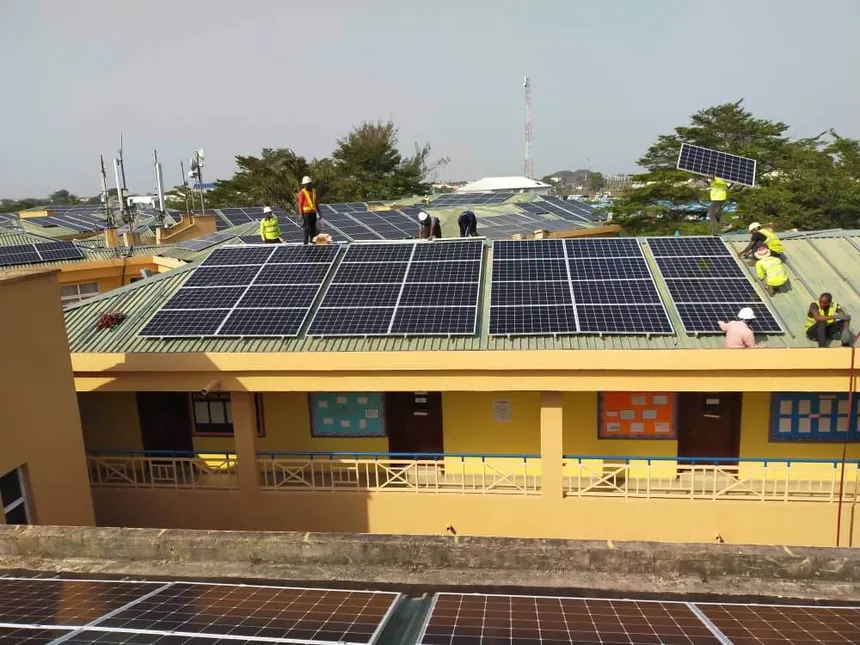
The government is expanding solar power across public institutions through its Solarisation Project, which targets federal universities and other tertiary institutions. The initiative forms part of efforts to improve electricity access and reduce public institutions’ dependence on the national grid. These projects need equipment that fits within public budgets and a reliable supply of materials to keep installations on schedule.
Restricting imports before local manufacturers can supply enough panels could increase project costs, delay procurement and complicate installation schedules. Keeping imported equipment available gives developers and public institutions more options while domestic production expands.
This is particularly important for a country where unreliable electricity affects education, healthcare, commerce and industrial activity. An import policy that raises equipment costs could make it harder to deliver the very solar projects intended to improve access to power.
What Nigeria’s New Approach Means for Local Manufacturers and Solar Businesses
The government’s decision gives local manufacturers more time to expand production while allowing importers and solar developers to continue serving the market. Its longer term ambition remains to build a domestic industry that can supply reliable equipment at competitive prices.
Quality control takes priority over an outright ban
The government plans to improve standards for solar panels sold in Nigeria, covering both locally manufactured products and imports. This approach targets poor quality equipment without cutting off access to foreign suppliers. Substandard panels and components can underperform, fail prematurely and leave buyers with unexpected repair or replacement expenses.
For importers, continued access to overseas products comes with the need to comply with applicable certification and quality requirements. Local manufacturers will also need to meet the same standards. Applying these rules consistently would help prevent domestic production targets from becoming a reason to tolerate inferior products.
Local manufacturing needs investment, not just import restrictions
Building a solar manufacturing industry requires capital, reliable electricity, skilled workers, modern production equipment, access to components and dependable demand. Restricting imports cannot provide these foundations on its own.
The Federal Government is engaging international manufacturers, to establish production capacity in Nigeria. The planned partnerships could bring investment, technical expertise and workforce development into the country, although agreements and operating facilities must be confirmed before their impact can be assessed.
Local assembly could create jobs and reduce reliance on finished imported panels over time. The scale of that benefit will depend on the amount of investment secured, production costs, access to components and the ability of Nigerian factories to compete on price and quality. Industry advocates have proposed a phased transition, supported by published targets and incentives for manufacturers. This is a proposal from stakeholders, not a confirmed government deadline.
What the decision means for Nigeria’s solar market
The Federal Government’s decision to delay an immediate solar import ban leaves imported panels available while plans to expand domestic production continue. The government is also pursuing partnerships with foreign manufacturers and developing standards for solar panels and related components sold in Nigeria.
For importers, distributors and project developers, the decision maintains the current trading environment for now, although future restrictions have not been ruled out. Local manufacturers, meanwhile, have more time to build production capacity before any import restrictions are introduced. The timing and scope of any future policy changes remain unsettled. Future policy decisions will determine how Nigeria expands local solar production while maintaining access to imported panels and equipment.