


Xiaomi builds its phones around two main chip suppliers, MediaTek and Qualcomm, and for a specific group of buyers, only one of those two will do. Tech enthusiasts, mobile gamers, and custom ROM users often hold out specifically for Xiaomi devices running Qualcomm Snapdragon silicon, citing better thermal management, graphics processing power, and deeper compatibility with third party software tools.
Finding the right model isn’t always straightforward though. Xiaomi’s naming system can be confusing, and not every device in a lineup automatically ships with a Snapdragon chip just because it sits at a higher price point. Below is a breakdown of Xiaomi phones with Snapdragon processors across premium, performance, and budget segments.
Quick Links
Premium Flagships
Xiaomi 15 Pro
The Xiaomi 15 Pro balances high end photography hardware with a sleek, traditional slab form factor for buyers who want flagship power without a foldable or oversized chassis.
It runs on a Qualcomm Snapdragon 8 Elite processor. The display is a 6.73 inch LTPO AMOLED panel with a 120Hz refresh rate. Camera hardware consists of a triple 50MP rear configuration co engineered with Leica optics. The battery is a 6100mAh silicon carbon pack with 90W wired charging support.
Xiaomi Mix Fold 4
The Mix Fold 4 takes Snapdragon flagship performance and puts it inside a book style foldable chassis that opens up into a full tablet experience.
It runs on a Qualcomm Snapdragon 8 Gen 3 processor. The display setup includes a 7.98 inch main foldable inner screen alongside a 6.56 inch external cover panel. The quad rear camera system includes a dedicated 5x periscope telephoto lens. The battery is 5100mAh with 67W fast charging support.
Xiaomi 17 Ultra
The Xiaomi 17 Ultra sits at the top of Xiaomi’s entire lineup and makes no compromises in any department. It moves away from the curved displays found on older models in favor of a flat, ergonomic chassis that’s noticeably thin while still packing serious hardware inside.
The chip powering it is the Qualcomm Snapdragon 8 Elite, a next generation 3nm platform that delivers a 45% jump in multi core performance while cutting CPU power consumption by more than half compared to its predecessor.
The display is a 6.9 inch LTPO AMOLED panel with a dynamic refresh rate that scales between 1Hz and 120Hz depending on what’s on screen. Camera hardware was developed in partnership with Leica and includes a 50MP Sony LYT 900 one inch main sensor, a 200MP ultra telephoto lens, and a 50MP secondary telephoto. The battery sits at 6000mAh with 90W wired HyperCharging support.

Xiaomi 17 (Standard Edition)
For buyers who want flagship level processing power in a more manageable size, the standard Xiaomi 17 is the answer. At just 191 grams and built around a micro curved frame, it sits comfortably in hand in a way that larger flagships often don’t.
It runs the same Qualcomm Snapdragon 8 Elite chip as the Ultra, paired with a compact 6.3 inch OLED display at 120Hz. The triple rear camera system uses three 50MP sensors covering wide, telephoto, and ultrawide angles, all running through a Leica Summilux lens system. Battery capacity is 6330mAh with 100W wired charging and 50W wireless charging support.
Best Mid Range Performers
POCO F8 Pro
The POCO sub brand has built its reputation around one specific promise: premium processing speed at a price that doesn’t require flagship level spending. The F8 Pro is the clearest example of that promise in action.
It also runs on the Qualcomm Snapdragon 8 Elite and manages thermals through a specialized 3D triple layer IceLoop cooling system designed to keep performance consistent during extended gaming sessions. The display is a 6.59 inch POCO HyperRGB AMOLED panel at 120Hz with 2K visual fidelity.
The camera setup includes a 50MP main sensor with optical image stabilization, a 50MP 60mm portrait telephoto lens, and an 8MP ultrawide shooter. Battery capacity is 6210mAh with 100W HyperCharge support, reaching a full charge in around 37 minutes.
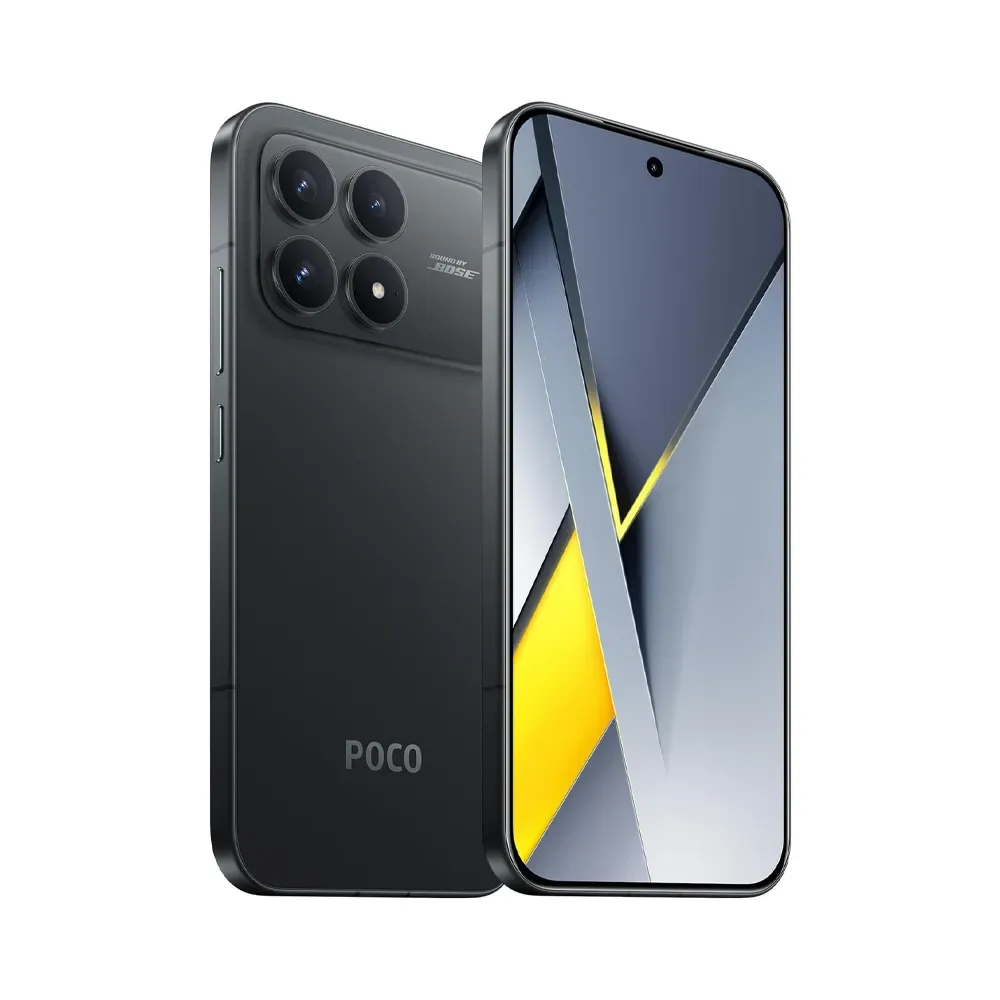
POCO X8 Pro
The POCO X8 Pro strips away luxury build materials to focus entirely on delivering processing speed at a very accessible price point.
It runs on a Qualcomm Snapdragon 8s Gen 4 processor, paired with 256GB of storage and either 8GB or 12GB of RAM. The display is a 6.67 inch AMOLED panel with a 120Hz refresh rate and 1.5K resolution. Camera hardware includes a 50MP main sensor with image stabilization and an 8MP ultrawide lens. The battery is 5500mAh with 67W wired fast charging support.
POCO F7 Ultra
The POCO F7 Ultra sits at the bridge between mid tier pricing and flagship level processing, making it a compelling pick for dedicated mobile gamers who want top tier silicon without paying ultra premium prices.
It runs on a Qualcomm Snapdragon 8 Elite processor, paired with 512GB of internal storage and 12GB of RAM. The display is a 6.67 inch flat Flow AMOLED screen with a 144Hz refresh rate and QHD+ resolution. The triple rear camera system includes a 50MP main lens, a 50MP telephoto lens, and a 12MP ultrawide sensor. Battery capacity is 5000mAh with 120W HyperCharge support.
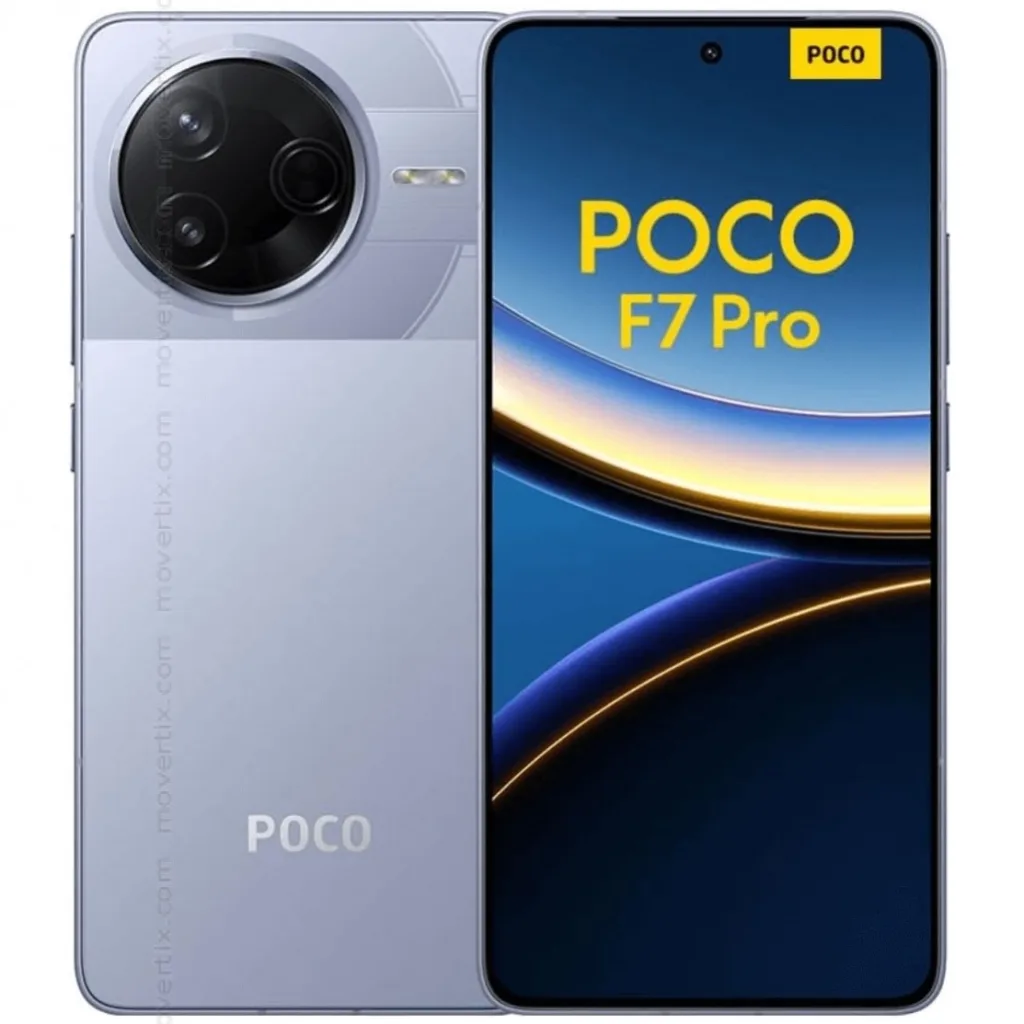
POCO F7 Pro
The POCO F7 Pro is a slightly older model, but it remains one of the better value options for buyers who want Snapdragon performance without paying current flagship prices.
Inside is a Qualcomm Snapdragon 8 Gen 3 chip, built on a 4nm process architecture that handles heavy graphics workloads and intensive mobile emulation software without breaking a sweat. The display is a 6.67 inch flat Flow AMOLED screen with QHD+ resolution, a 120Hz refresh rate, and 3200 nits of peak brightness, one of the better panels at this price tier.
Camera hardware includes a 50MP wide angle primary lens with stabilization and an 8MP secondary sensor. The battery is 6000mAh with 90W fast charging.
Best Budget Options
Xiaomi Redmi Note 15 5G
Not every Snapdragon buyer needs a gaming powerhouse. The Redmi Note 15 5G is built for people who want reliable everyday performance, solid connectivity, and a dependable battery, without paying for specifications they’ll never use.
It runs on a Qualcomm Snapdragon 6 Gen 3, which handles multitasking smoothly and manages 5G network switching without issue. The display is a 6.77 inch AMOLED screen at 120Hz. For cameras, it has a 108MP main shooter paired with an 8MP ultrawide lens. The 5520mAh battery uses 45W Turbo Charging to top up quickly.
Xiaomi Redmi 14 5G
The Redmi 14 5G sits a step below the Note family, stripping away premium screen technology to bring the entry price for a 5G Snapdragon device as low as possible.
It runs on a Qualcomm Snapdragon 4s Gen 2, an entry level 5G chip that handles social media scrolling and daily messaging without drawing heavily on the battery. The display is a 6.82 inch IPS LCD panel at 120Hz. Camera hardware includes a 108MP main wide angle sensor, a 2MP macro lens, and a 16MP front camera. The battery is 5000mAh with standard wired fast charging support.
POCO M6 Pro 5G
POCO built the M6 Pro 5G for buyers who want solid entertainment performance and steady network speeds without stretching their budget.
It runs on a Qualcomm Snapdragon 4 Gen 2, built on an efficient 4nm architecture that keeps power consumption low across multitasking and casual gaming. The display is a 6.79 inch FHD+ LCD panel at 90Hz. On the back, it has a 50MP main sensor and a 2MP depth sensor, with an 8MP front camera for video calls. Battery capacity is 5000mAh with 18W wired charging.
Two Things to Know Before Buying
Watch the “T” series naming carefully. Xiaomi’s naming system has a trap that catches a lot of buyers off guard. While the standard Xiaomi 15 ships with a Snapdragon chip, the Xiaomi 14T Pro and 15T Pro actually run on MediaTek Dimensity processors. A higher model number does not automatically mean a Snapdragon chip is inside. Always check the exact processor specification on the product listing before purchasing.
All these phones run Xiaomi HyperOS. Every current Snapdragon powered Xiaomi device runs on Xiaomi HyperOS, the brand’s latest software layer. This system is built to take advantage of the AI processing blocks inside Snapdragon chips, using them for real time photo processing, background object removal, and intelligent system resource management.
Xiaomi’s Snapdragon lineup covers all sorts of budgets and use cases. The chip inside makes a difference for gaming, thermal performance, and day to day speed, and these five devices are the top options currently available across each segment.