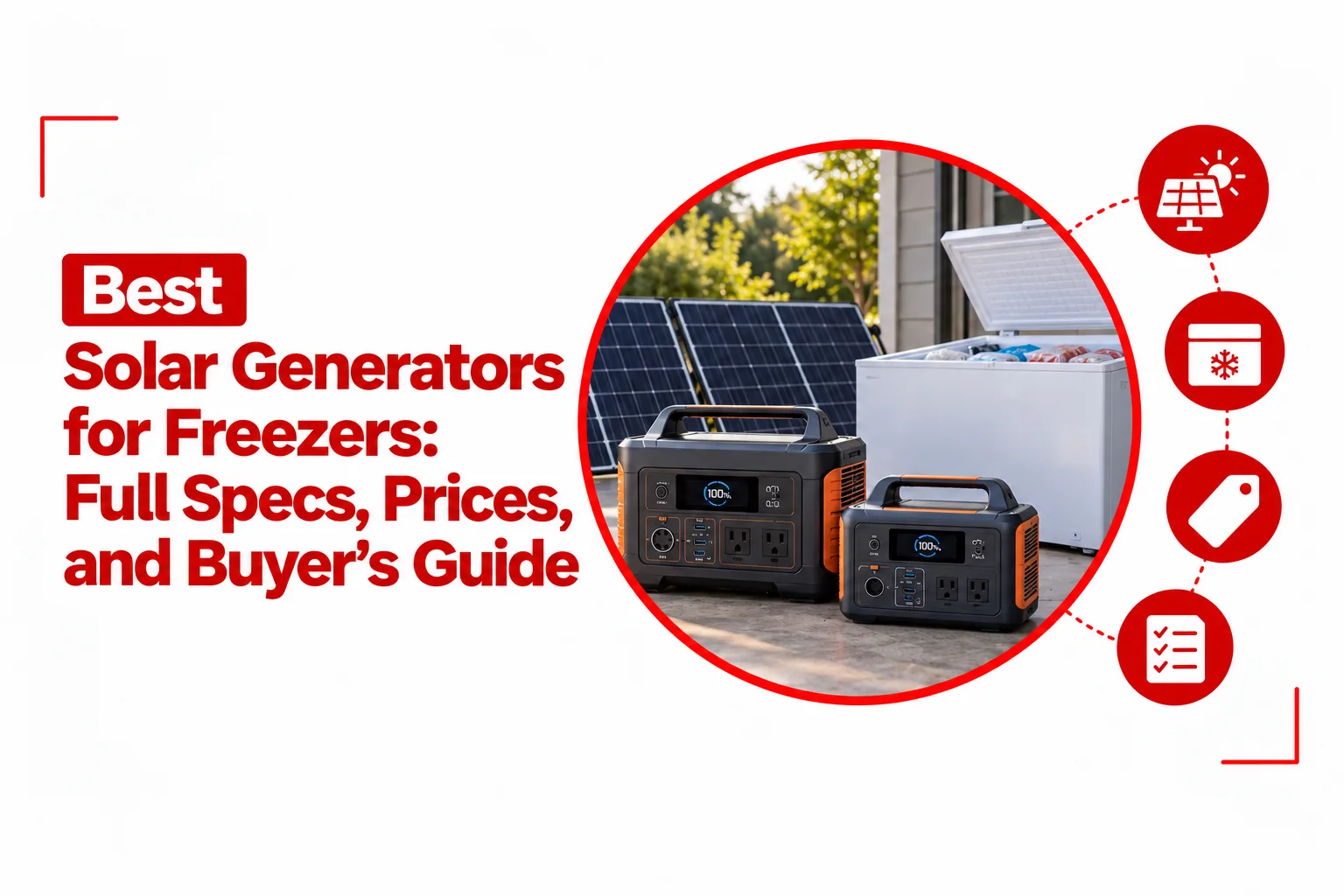

Power cuts can make keeping a freezer running surprisingly stressful. A few hours without electricity may not cause an immediate problem, but longer outages raise a simple concern: how long can the freezer keep its contents frozen before the power comes back? For homes that depend on a freezer for food storage, having a dependable backup source can take some of that uncertainty away.
The best solar generators for freezers are not always the units with the biggest numbers on the box. A freezer’s compressor switches on and off during the day, and each startup can draw a short burst of electricity that is much higher than its normal running load. This is why a generator rated at 1,000W can struggle with a freezer that normally uses only 100W or 150W if it cannot handle the compressor’s startup demand.
Battery capacity brings another consideration. A generator may have enough inverter power to start the compressor, but a smaller battery can run out of stored energy after only a few hours. Solar charging becomes increasingly important during longer outages because the generator needs to replace the energy the freezer uses throughout the day.
For many household freezers, 2,000Wh or more of battery capacity and at least 1,500W to 2,000W of continuous inverter output provide a useful starting point. The freezer’s own specifications also need to be checked before connecting it, since compressor requirements are not the same across all models. Other details, including battery chemistry, solar input and transfer function, also affect how well a solar generator can keep a freezer running.
Table of Contents
How Much Power Does a Freezer Need?
Most household freezers draw somewhere around 80W to 200W when the compressor is running. The actual figure depends on the freezer’s size, insulation, compressor, temperature setting and surrounding temperature. The startup figure is more important when choosing the inverter. Compressor motors can draw three to five times their normal running wattage for a brief period when they start. A freezer rated at 150W can place a much larger temporary load on a power station.
Battery capacity tells you how much stored energy you have available. A 2,000Wh battery does not deliver the entire 2,000Wh to the freezer because the inverter and other components consume some energy during conversion. Compressor cycling also changes the calculation because the motor is not running continuously.
For that reason, a simple calculation based on the freezer’s label will only give you a rough idea of runtime. Actual results depend on how often the compressor starts, how well the freezer holds its temperature and what else you have connected to the power station.
EcoFlow DELTA 2 Max
The EcoFlow DELTA 2 Max combines a 2,048Wh LiFePO4 battery with a 2,400W AC output. Its standard surge rating reaches 4,800W, and EcoFlow’s X Boost function can handle devices rated up to 3,100W. Solar charging supports up to 1,000W. The price is currently around ₦1,350,000 to ₦1,850,000, depending on the seller and package.
The 2,048Wh battery gives the DELTA 2 Max enough stored energy for extended freezer backup, and the 2,400W inverter leaves considerable headroom above the running load of most household freezers. The compressor’s startup demand still needs to fall within the unit’s supported limits. EcoFlow also rates the DELTA 2 Max for LFP battery chemistry and 3,000 cycles to at least 80 percent capacity.
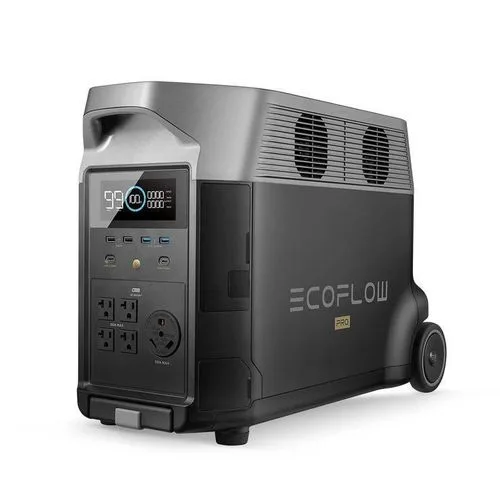
EcoFlow DELTA Pro
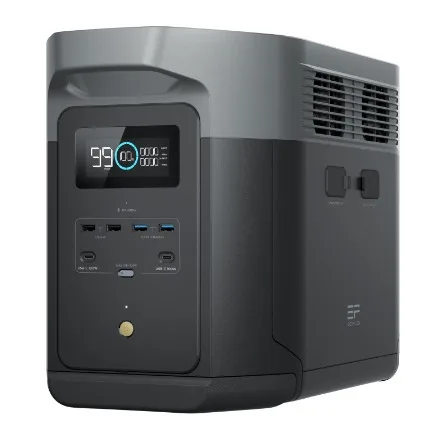
For larger freezers and longer outages, the EcoFlow DELTA Pro moves up to a 3,600Wh LiFePO4 battery and a 3,600W continuous AC output. Surge output reaches 7,200W, and solar input can reach 1,600W. The current price sits around ₦2,350,000 to ₦2,800,000.
The additional 1,552Wh of battery capacity over the DELTA 2 Max gives you more energy for long outages. The 3,600W inverter also leaves considerable headroom for compressor startup and other household loads. The DELTA Pro can also be expanded with additional batteries, taking the total storage far beyond the capacity of the standalone unit.
Related Article: EcoFlow Power Stations in Nigeria: Prices, Models, and Specs
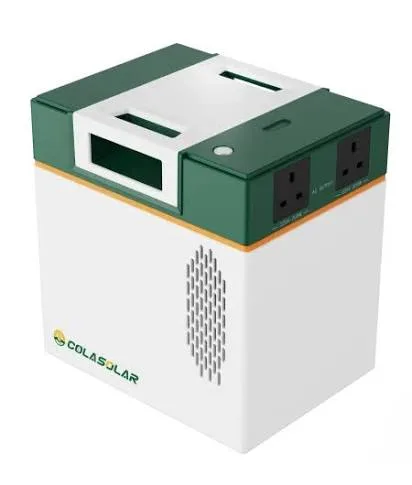
Cola Solar 2000
The Cola Solar 2000 has a 2,000Wh LiFePO4 battery and a 1,000W AC output. The configurations support solar input of up to 450W. The price currently sits around ₦635,000 to ₦785,000, depending on the seller and package.
The 2kWh battery gives it considerably more storage than the Cola 1000 models. The 1,000W inverter is the part that needs closer attention when using a freezer, since the compressor’s startup demand can be much higher than its normal running load. A freezer with a modest startup requirement can fall within the unit’s operating range. For a larger chest freezer, check the compressor specification before purchase.
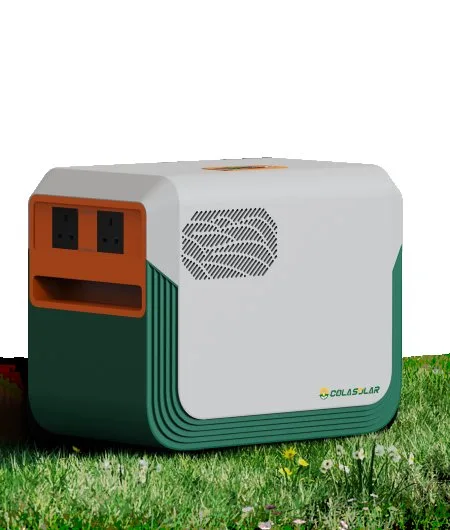
Cola Solar 3600 Plus
The Cola Solar 3600 Plus brings 3,584Wh of LiFePO4 storage and a 2,200W pure sine wave AC output, giving it enough capacity for larger freezers and heavier compressor loads. Prices range from ₦880,000 to ₦1,100,000, depending on the seller and package. The 2,200W output gives the unit much more inverter headroom than the Cola 2000. Its 3.6kWh battery also provides a substantial reserve for refrigeration during long outages.
A freezer with high startup demand needs an inverter that can handle that initial surge, while battery capacity determines how long the stored power can keep it running. These two specifications serve different purposes: inverter output deals with the load the system can handle, while battery capacity determines the available runtime.
Related Article: Cola Solar vs itel Power Tank vs Hithium: Which 1kWh Solar Generator Is Best?
Moli Power BoltBox
The Moli Power BoltBox has 2,700Wh of LiFePO4 storage and a 2,000W inverter. Solar input reaches 1,200W. Current retail pricing is around ₦850,000 to ₦1,500,000, depending on the seller and the particular package. The 2,000W inverter gives the BoltBox enough continuous output for many household freezers, and the 2.7kWh battery provides more stored energy than the 2kWh class. It also has an expandable design, which allows additional storage in compatible configurations.
For freezer backup, 2.7kWh storage and 2,000W inverter output make the BoltBox a distinctly different option from smaller 1kWh power stations.
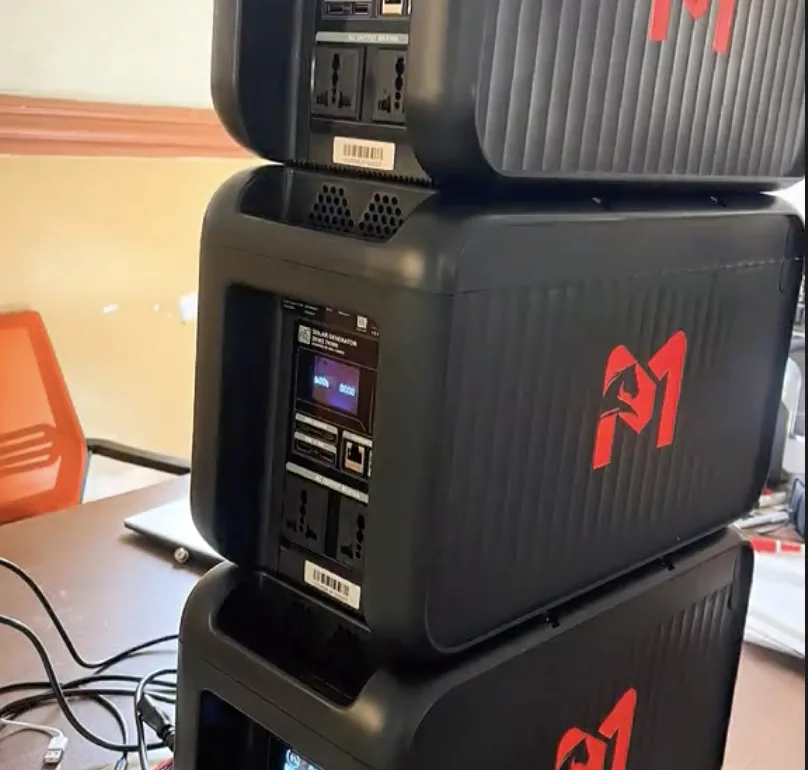
Meco 3.6kWh Solar Generator
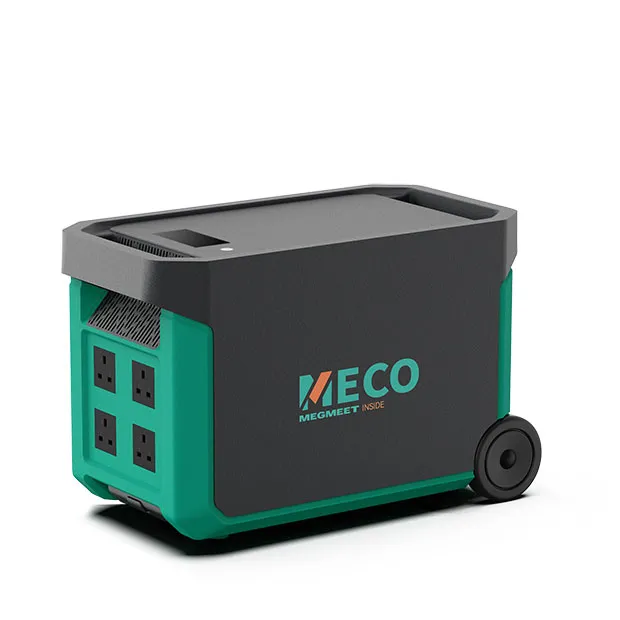
The Meco 3.6kWh model has a 3,600Wh battery and a 3,000W AC output in the Pro configuration, with LFP battery chemistry used for its larger energy storage systems. Prices range from ₦1,300,000 to ₦1,700,000. The 3.6kWh capacity gives the unit a substantial energy reserve for refrigeration, and the 3,000W inverter provides considerable room for compressor startup. Meco also gives the 3.6kWh Pro model a stated battery cycle life of more than 8,000 cycles.
Its solar charging capability is also designed for much larger PV input than the smaller power stations in this guide, making the unit more suitable for a setup where daytime solar production plays a major role in keeping the battery charged.
Lutian LE1000 B and LE1000 C
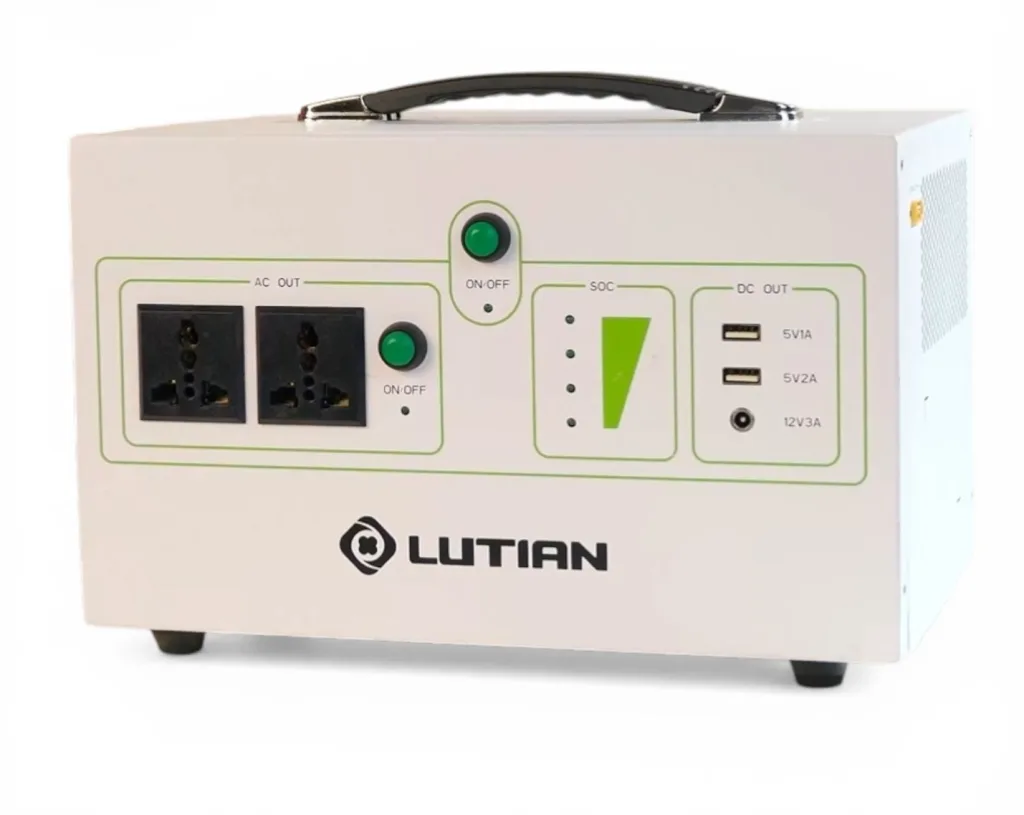
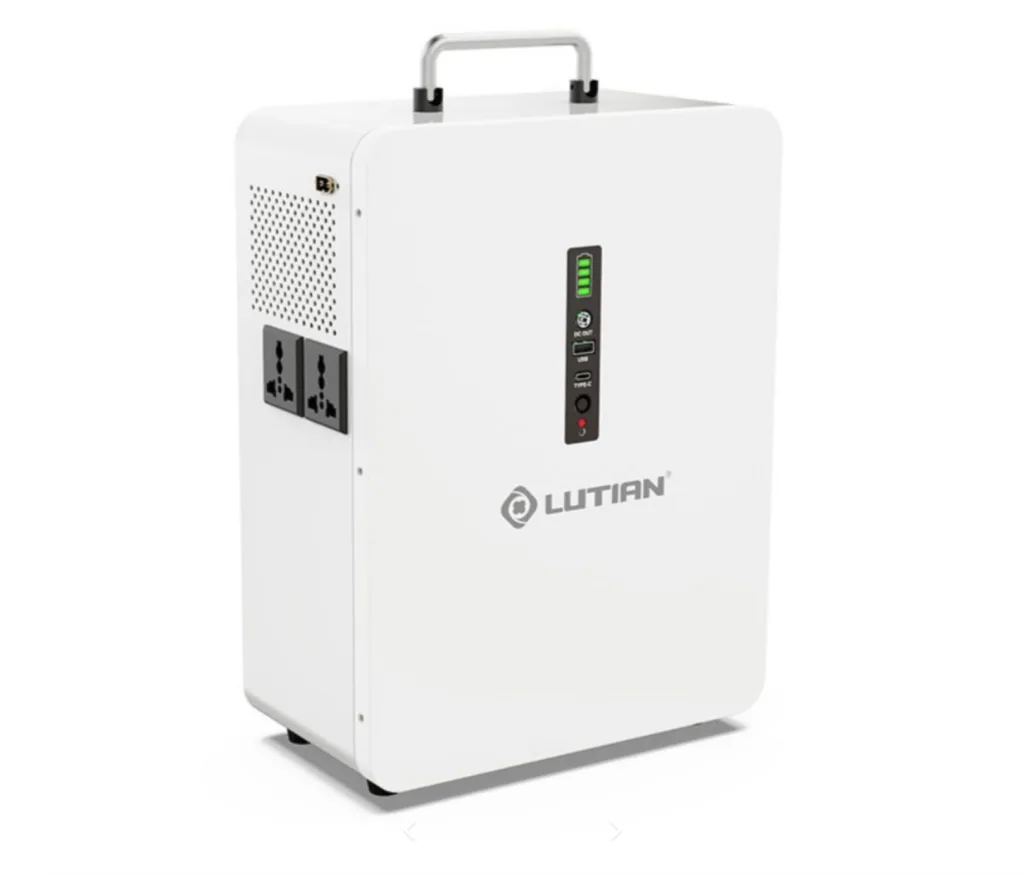
The Lutian LE1000 B comes with a 960Wh LiFePO4 battery, 1,000W continuous output and up to 800W of solar input. It has a horizontal design and weighs 12.0 kg. The newer LE1000 C keeps the same 960Wh battery capacity and 2,000VA surge rating, while raising continuous output to 1,200W and solar input to 900W. It also uses a taller vertical body and weighs 12.5 kg. The LE1000 B delivers 1,000W of continuous output, while the LE1000 C raises that figure to 1,200W.
Prices for the LE1000 B and LE1000 C are around ₦600,000 to ₦798,000. They can work with smaller refrigeration loads, but a freezer with a demanding compressor startup can exceed the inverter’s available surge capacity.
Related Article: Lutian 1000W Solar Generator: Features, Battery Life, and Best Uses
What to Check Before Buying a Solar Generator for a Freezer
Check the Compressor Startup Load
The number printed beside the freezer’s normal power consumption is only part of the story. When the compressor starts, the motor can briefly pull several times its running wattage. This is the load that can cause an undersized inverter to shut down even when the freezer’s normal consumption looks modest. Look for the startup wattage in the freezer manual or technical specification. If that figure is unavailable, a suitable power meter can help you measure the appliance during startup.
A power station with a continuous output of 2,000W is not automatically capable of handling every freezer. Its surge rating also needs to accommodate the compressor’s startup demand.
Choose LiFePO4 for Regular Daily Use
LiFePO4, or LFP, batteries are widely used in modern portable power stations because they can handle thousands of charge and discharge cycles. That makes them a good fit for a freezer backup system that charges during the day and powers the freezer through the night on a regular basis. Many current LFP power stations carry cycle ratings of 3,000 cycles or more, with some larger models rated considerably higher. Battery lifespan still depends on operating temperature, charging habits, depth of discharge and the battery management system.
Match Solar Input to the Freezer’s Daily Consumption
A freezer can consume around 1.2kWh to 2.5kWh per day, depending on its size, efficiency, temperature setting and operating conditions. Your solar panels need to produce enough energy to replace what the freezer consumes, plus the energy lost during charging and conversion.
For example, a 2,000Wh power station can carry a freezer through an outage, but a small solar array may not put enough energy back into the battery during daylight. The battery could gradually fall behind if daily solar production remains below the freezer’s consumption. Panel output also changes with weather, shade, panel orientation and the number of useful sunlight hours available each day.
Check the UPS and Transfer Function
A freezer connected to a power station for automatic backup needs more than battery storage. The unit also needs a suitable transfer system if you want the freezer to move from grid power to battery power automatically during an outage. A UPS or automatic transfer function can switch the load when mains electricity fails. A shorter transfer time reduces the chance of the freezer losing power during the changeover.
Check the manufacturer’s stated transfer time and confirm that the freezer is supported by that operating mode. Some power stations have UPS functions designed for electronics, and the manufacturer’s instructions should be followed before using them for compressor based appliances.
A freezer places two separate demands on a solar generator: the inverter has to handle the compressor’s startup load, and the battery has to store enough energy for the length of the outage. Solar input then determines how quickly that stored energy can be replaced. The freezer’s power requirements should guide the specification. Its running consumption, startup demand and daily energy use should be checked alongside the solar generator’s inverter rating, surge capacity and battery size before you connect the two.