
BNPL platforms in Malawi sit outside the wave moving through the rest of Africa right now, with no dedicated app or checkout service running locally. There is no fintech based retail checkout Buy Now Pay Later product operating in the country, and unlike several neighboring markets, independent digital BNPL simply has not arrived here yet. This guide explains what actually fills that gap, how Malawians split the cost of large purchases, and what to expect if you are looking for flexible payment options in the country right now.
Quick Links
Digital BNPL Platforms in Malawi
Across parts of Africa, BNPL has grown alongside eCommerce, mobile money adoption and fintech investment, but Malawi’s payment infrastructure has developed along a different path. Mobile money through Airtel Money and TNM Mpamba covers everyday transactions well, and digital payments are growing steadily, but no company has built a standalone checkout style installment product on top of that infrastructure.
Consumer credit for retail goods in Malawi still runs through two traditional, physical routes instead, and both depend on in person verification instead of an app or website. Card penetration also stays low outside urban centers, which removes another building block that BNPL providers elsewhere usually rely on to plug into a checkout flow.
In Store Hire Purchase Schemes in Malawi
Formal consumer asset financing in Malawi is handled directly by physical retail chains, not by software companies. Retailers and other electronics and furniture distributors manage installment purchases internally through their own showrooms.
This is not a digital instant checkout process. To split the cost of a purchase, a buyer needs to visit a showroom in person with proof of employment, certified national identification, and bank statements. Once approved, the financing is tied directly to monthly automated bank deposits or, in some cases, a physical payment book that gets updated at each installment. It takes longer than tapping a button online, but it remains the main structured route for buying furniture, electronics and appliances on credit across the country. Approval times also run longer than a digital application, often taking days instead of minutes, since staff need to verify documents and confirm employment before financing is approved.
Workplace Payroll Deduction and Civil Servant Microfinance
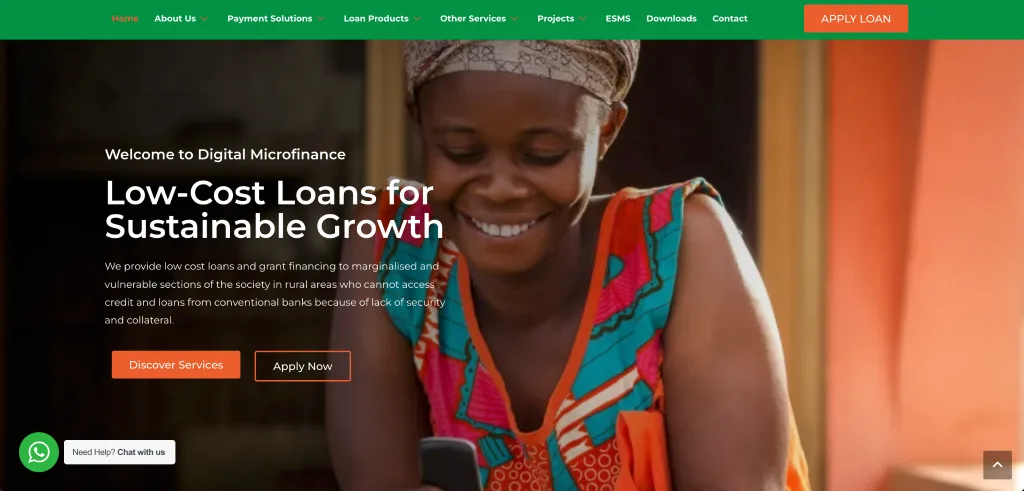
Because open retail credit tracking is limited in Malawi, most formal lending stays tied to a steady salary. Microfinance institutions, including providers like Digital Microcredit Limited and various institutional payroll lenders, offer asset loans and cash advances built specifically for salaried employees and civil servants.
The process looks different from a typical BNPL checkout. Instead of applying and paying at a store website, the loan is processed through the borrower’s employer, and the fixed monthly repayment gets deducted automatically from the paycheck before it ever reaches the employee’s personal bank account.
This model works well in a country where formal salaried employment is common enough to base lending decisions on, even where broader consumer credit data is thin. It also lowers risk for the lender, since the repayment leaves the employee’s salary before they ever have a chance to spend it elsewhere, which is part of why these institutions are willing to extend credit even without the detailed credit histories that fintech BNPL apps usually rely on in more developed markets.
How Malawi Compares to Other African Markets
The gap between Malawi and its neighbors is worth noting. Countries like Kenya, Nigeria, South Africa and Egypt have seen fast growth in fintech led BNPL, with providers such as Lipa Later, CredPal and Payflex building partnerships directly into eCommerce checkouts and physical retail chains. Even nearby Zambia now has at least one dedicated BNPL service operating inside a formal regulatory sandbox. Malawi has not followed that same path yet, and current industry data confirms that dedicated BNPL services remain absent from the local market, even as mobile money and general digital payment adoption continue to grow.
This does not mean the country is closed off from the trend. Regional expansion by fintech companies and growing mobile money penetration suggest Malawi could see its first true digital BNPL product within the coming years, following a pattern already seen elsewhere on the continent. For now though, anyone searching specifically for a BNPL app in Malawi will not find one operating locally.
What This Means for Shoppers
Splitting the cost of a large purchase in Malawi today means planning around the two available paths. For furniture, appliances or electronics, visiting a retailer that offers in store hire purchase and bringing your employment proof, identification and bank statements is the most direct option. If you are salaried or work in the civil service, checking with your employer or a payroll linked microfinance provider may open access to structured loans with automatic monthly deductions, which can sometimes offer better terms than a retail installment plan.
Neither path offers the instant, app based experience shoppers may have used in other countries, but both are established, regulated and widely used across Malawi. Anyone offering you a digital BNPL checkout claiming to operate specifically in Malawi right now should be treated with caution, since no verified fintech company currently runs one in the local market. If you come across an unfamiliar app or website promising instant approval and split payments for Malawian shoppers, take the time to confirm it is licensed before sharing any personal or banking details.
Malawi’s consumer credit market has not caught up to the digital BNPL wave sweeping through other African economies, and that is unlikely to change overnight. Traditional in store hire purchase and payroll linked microfinance still do the job that BNPL apps handle elsewhere, just through slower, paperwork heavy processes built on physical verification and steady employment. Until a fintech company launches a dedicated product locally, these two routes remain the only reliable way to buy now and pay later in Malawi, and shoppers are better served planning around them than waiting for an app that has not arrived yet.